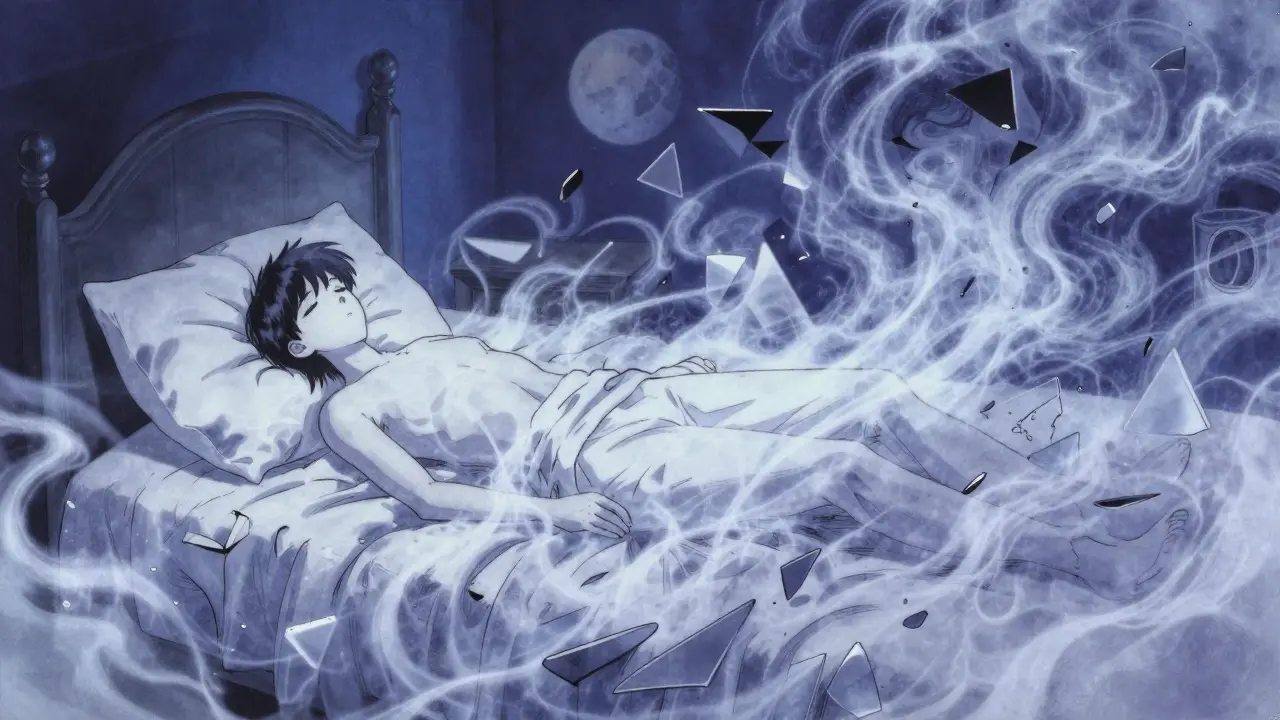
You pour a glass of wine or grab a beer before bed because you've heard it helps you drift off faster. It works-sort of. You feel heavy-eyed, the world slows down, and you likely fall asleep quicker than usual. But here is the catch: falling asleep is not the same as sleeping well. While Alcohol is a central nervous system depressant that initially promotes sedation acts like a temporary sedative, it fundamentally sabotages your sleep architecture once you are unconscious. The result is a night filled with fragmentation, potential breathing issues, and a morning where you feel worse than if you had stayed awake.
This isn't just about feeling groggy. Research shows that alcohol disrupts the delicate balance of sleep stages, suppresses restorative deep sleep later in the night, and significantly worsens conditions like obstructive sleep apnea. If you rely on a "nightcap" to unwind, you might be trading short-term relaxation for long-term cognitive decline and emotional instability.
The Biphasic Trap: Sedation Followed by Fragmentation
To understand why alcohol ruins your sleep, you have to look at how your body processes it over time. Alcohol's impact on sleep follows a distinct biphasic pattern. In the first half of the night, alcohol acts as a hypnotic. A 2005 study published in Substance Abuse (Thakkar et al.) found that moderate consumption reduces sleep latency-the time it takes to fall asleep-in a dose-dependent manner. Up to six drinks can make you nod off faster, primarily by increasing extracellular adenosine in the basal forebrain, a chemical signal that tells your brain it is tired.
However, this initial benefit comes with a steep price tag paid in the second half of the night. Your liver metabolizes alcohol at a rate of approximately one standard drink per hour. If you consume five drinks at 10 p.m., your blood alcohol concentration drops significantly by 3 a.m. As the sedative effect wears off, your body experiences a rebound arousal response. This triggers what researchers call "sleep fragmentation." Instead of staying in deep, restorative sleep, you wake up frequently, often without fully realizing it. These micro-awakenings break your sleep cycles, preventing you from reaching the necessary stages for physical repair and memory consolidation.
- First Half of Night: Increased Non-Rapid Eye Movement (NREM) sleep, specifically Stage N3 (deep sleep), leading to quick onset of sleep.
- Metabolism Phase: Blood alcohol levels drop as the liver processes the ethanol.
- Second Half of Night: Rebound arousal causes frequent awakenings, lighter sleep, and increased heart rate.
A controlled study published in Alcoholism: Clinical and Experimental Research in 2023 highlighted this disruption vividly. Participants who consumed alcohol between 8 and 9 p.m. experienced a decrease in total sleep time by nearly 20 minutes and a reduction in sleep efficiency by over 4%. More concerning was the physiological stress: their nocturnal heart rate increased by an average of 6.7 beats per minute compared to placebo nights. Your body is working harder to stay asleep while under the influence, even if you think you are resting peacefully.
REM Suppression and Emotional Instability
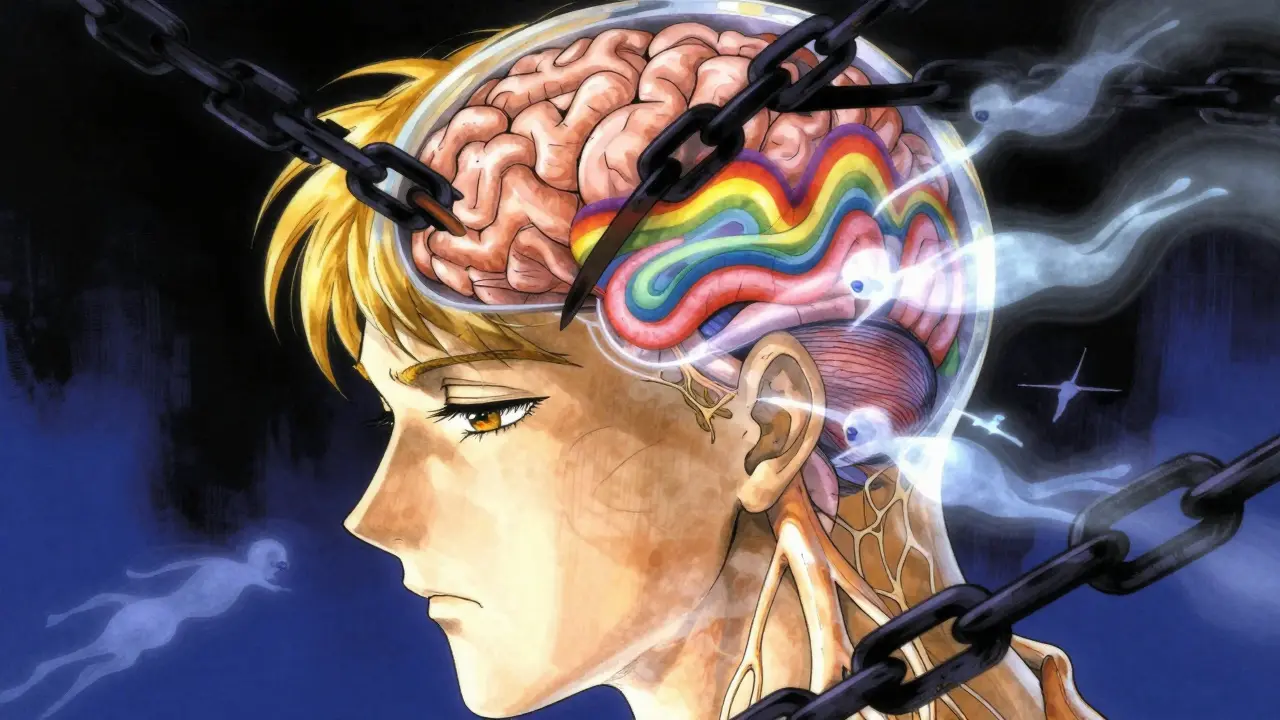
One of the most damaging effects of alcohol on sleep is its suppression of Rapid Eye Movement (REM) sleep. REM is the stage where you dream, process emotions, and consolidate memories. It is critical for mental health and creativity. According to the National Council on Aging, alcohol delays or eliminates REM sleep during the first part of the night. A comprehensive review by the European Sleep Research Society (2021) concluded that even a single standard drink reduces REM sleep by 9.3%.
Because the body tries to compensate for this loss, you experience a "REM rebound" in the second half of the night. This means you enter REM sleep more intensely and frequently than usual, often resulting in vivid dreams or nightmares. This fragmented, intense dreaming contributes to the feeling of unrested fatigue upon waking. Without adequate REM sleep, your ability to regulate emotions suffers. Research from the University of Pittsburgh Medical Center (2022) demonstrated that participants showed 31.2% greater emotional reactivity to negative stimuli the day after drinking-induced sleep disruption compared to control nights. You become more irritable, less patient, and emotionally volatile-not because of the alcohol itself, but because your brain didn't get the emotional processing time it needed.
Worsening Sleep Apnea and Airway Collapse
If you snore or have been diagnosed with obstructive sleep apnea (OSA), alcohol is particularly dangerous. OSA occurs when the muscles in your throat relax too much during sleep, blocking your airway. Alcohol exacerbates this by relaxing these upper airway muscles further, making them more prone to collapse.
The relationship is dose-dependent. A study by the American Academy of Sleep Medicine (2021) found that each standard drink consumed before bedtime increases the Apnea-Hypopnea Index (AHI)-a measure of breathing pauses-by 20%. For individuals with existing sleep apnea, the American Thoracic Society (2022) recommends completely avoiding alcohol within three hours of bedtime. Even moderate consumption can increase apnea severity by 20-30% and reduce oxygen saturation by 3-5 percentage points during sleep events. This drop in oxygen forces your brain to wake you up briefly to restore breathing, further fragmenting your sleep and straining your cardiovascular system.
| Sleep Metric | Effect of Pre-Sleep Alcohol | Clinical Significance |
|---|---|---|
| Sleep Latency | Decreases (Faster onset) | Initial sedation masks underlying sleep issues |
| REM Sleep | Reduced by ~9.3% per drink | Impaired emotional regulation and memory |
| Sleep Efficiency | Reduces by >4% | More time spent awake or in light sleep |
| AHI (Apnea Severity) | Increases by 20% per drink | Higher risk of oxygen deprivation and heart strain |
| Nocturnal Heart Rate | Increases by ~6.7 bpm | Physiological stress during sleep |
Next-Day Cognitive Deficits and Brain Fog
We often blame the hangover for feeling terrible the next day, but the sleep disruption itself plays a major role. A 2022 study in the Journal of Clinical Sleep Medicine found that sleep following alcohol consumption results in 15.3% less slow-wave sleep (the deepest, most restorative stage). This deficit leads to measurable cognitive impairments the following morning, including a 12.7% decrease in processing speed and a 9.4% reduction in working memory capacity.
What makes this insidious is that many people don't realize how impaired they are. The same 2023 study in Alcoholism: Clinical and Experimental Research noted only modest self-reported mood changes, despite objective cognitive task performance dropping by 8.7%. You might feel "fine," but your brain is operating at a deficit. This is particularly risky for tasks requiring focus, such as driving or complex decision-making. Furthermore, chronic alcohol-induced sleep disruption accelerates cognitive decline in older adults. The American Academy of Neurology (2023) reported a 23% faster rate of cognitive deterioration in regular pre-sleep alcohol consumers compared to abstainers over a five-year period.

The Vicious Cycle of Insomnia and Relapse
Perhaps the most dangerous aspect of using alcohol for sleep is the cycle it creates. When you drink to sleep, you disrupt the natural homeostasis of your sleep drive. Normally, adenosine accumulates during wakefulness to promote sleep pressure. Binge drinking impairs this natural process. Mouse studies published in Alcohol (2014) showed that post-binge subjects failed to experience the expected increase in adenosine during subsequent sleep deprivation, meaning their natural urge to sleep was blunted.
This leads to a paradoxical situation: the very thing you used to help you sleep now makes it harder to sleep naturally. The University of Missouri research (Thakkar, 2023) revealed that sleep deprivation following binge drinking increases the urge to consume more alcohol to initiate sleep again. This bidirectional relationship is a significant factor in alcohol dependence. The Sleep Research Society (2023) reports that approximately 35% of individuals with alcohol use disorder experience clinically significant sleep disturbances, with insomnia symptoms being a strong predictor of relapse during recovery. Breaking the cycle requires addressing both the sleep hygiene and the alcohol dependency simultaneously.
Better Alternatives for Restful Sleep
If you struggle with sleep onset, there are evidence-based alternatives that do not carry the risks of alcohol. Cognitive Behavioral Therapy for Insomnia (CBT-I) is considered the gold standard treatment for chronic sleep issues, helping you retrain your brain to associate bed with sleep rather than anxiety or stimulation. Simple behavioral changes also yield significant results:
- Maintain a consistent schedule: Go to bed and wake up at the same time every day, even on weekends.
- Create a wind-down routine: Engage in calming activities like reading or gentle stretching for 30-60 minutes before bed.
- Optimize your environment: Keep your bedroom cool, dark, and quiet. Consider blackout curtains or white noise machines.
- Avoid stimulants: Cut off caffeine intake at least six hours before bedtime.
By ditching the nightcap, you allow your body to maintain natural sleep architecture, protect your airway, and wake up with a clearer mind and better emotional balance. The trade-off is worth it.
Does alcohol actually help you sleep?
Alcohol may help you fall asleep faster due to its sedative properties, but it severely disrupts sleep quality. It fragments sleep in the second half of the night, suppresses restorative REM sleep, and increases the likelihood of nighttime awakenings. Therefore, while it aids sleep onset, it harms overall sleep maintenance and restoration.
How does alcohol affect sleep apnea?
Alcohol relaxes the muscles in the upper airway, making them more likely to collapse during sleep. This increases the frequency and severity of breathing pauses in people with obstructive sleep apnea. Studies show that each standard drink can increase the Apnea-Hypopnea Index by 20%, leading to lower oxygen levels and more fragmented sleep.
What are the next-day effects of drinking before bed?
Even if you feel fine, drinking before bed can lead to cognitive deficits the next day. Research indicates a 12.7% decrease in processing speed and a 9.4% reduction in working memory. You may also experience increased emotional reactivity, irritability, and reduced creativity due to suppressed REM sleep.
Can alcohol cause insomnia?
Yes, regular alcohol consumption before bed increases the risk of chronic insomnia by 38%. Alcohol disrupts the natural sleep-wake cycle and reduces the buildup of adenosine, a chemical that promotes sleep pressure. Over time, this can lead to difficulty falling asleep without alcohol, creating a dependency cycle.
Is one drink before bed safe for sleep?
While one drink has less impact than heavy consumption, it still negatively affects sleep architecture. A single standard drink can reduce REM sleep by 9.3% and increase sleep fragmentation by 11.7%. For optimal sleep quality, it is best to avoid alcohol entirely within two to three hours of bedtime.



mardy duffy
May 19, 2026 AT 20:21read the title, skipped the rest.
Emma Olliff
May 20, 2026 AT 23:54The sheer ignorance of relying on ethanol for basic physiological maintenance is truly disheartening. It is not a 'hack' or a 'ritual'; it is a chemical assault on your own central nervous system that you willingly administer. The article correctly identifies the biphasic nature of this self-sabotage, yet one wonders how many readers will simply dismiss this as academic nitpicking because they are too comfortable in their delusion of control. We see the data: REM suppression, increased heart rate, cognitive decline. To continue ignoring these facts is not just poor health management; it is a moral failing against oneself and those who depend on your clarity and stability. Stop drinking to sleep and start respecting your biology.
Mollie Louise
May 21, 2026 AT 06:17Wow! This is such an eye-opening read! 🌟 I have always thought that having a glass of wine before bed was just part of my wind-down routine, but reading about the REM rebound and the emotional instability really made me stop and think! 😲 It is so interesting how our bodies react to alcohol even when we are unconscious, and I am definitely going to try swapping my nightcap for some herbal tea or maybe just a good book instead! 📚✨ Who else is ready to prioritize their sleep quality and wake up feeling more refreshed and emotionally balanced? Let us support each other in making healthier choices for our brains and bodies! 💪💤
amit kumar
May 21, 2026 AT 11:07Great post! 👍 Very informative about the science behind alcohol and sleep. I often hear people say they need a drink to relax, but this explains why they still feel tired the next day. Thanks for sharing! 🙏😴
Justina Ingram
May 22, 2026 AT 02:43ugh dont tell me what to do with my liver lol :P i drink to forget not to sleep well anyway
Mikey Mann
May 22, 2026 AT 05:02There is a profound philosophical tension here between the desire for immediate relief and the necessity of long-term well-being. Alcohol offers a seductive promise of escape from the day's anxieties, acting as a temporary veil over our consciousness. However, this veil comes at the cost of our restorative processes, leaving us fragmented and vulnerable the following day. Perhaps the true challenge lies not just in abstaining from alcohol, but in confronting the underlying reasons why we feel the need to chemically induce sleep. By embracing natural methods like CBT-I, we might find a deeper, more sustainable peace that does not require the trade-off of our cognitive clarity.
Christina Moran
May 23, 2026 AT 16:21i never knew about the adenosine thing thats wild. i usually just crash after a few beers and wake up feeling like crap but i blamed it on the hangover not the sleep quality itself. gonna try stopping earlier than 3 hours before bed thanks for the info!
victoria catharinaa
May 24, 2026 AT 17:23You are wrong if you think one drink is okay. It ruins everything. I hate when people ignore the science. Just stop drinking it makes no sense to hurt yourself every night. You should listen to experts not friends who lie to you.
Glen Speck
May 25, 2026 AT 17:12interesting points about the airway collapse especially for those with apnea. i have noticed my snoring gets worse when i drink so this confirms it. better to avoid it completely rather than risk health issues down the line
Desirea Gaona
May 26, 2026 AT 21:30This article provides a comprehensive overview of the detrimental effects of alcohol on sleep architecture. It is imperative that individuals recognize the distinction between sedation and restorative sleep. The evidence presented regarding REM suppression and cognitive deficits is compelling. We must encourage evidence-based practices such as Cognitive Behavioral Therapy for Insomnia (CBT-I) to foster healthier sleep habits within our communities. Thank you for disseminating this vital information.
Sam Mackellar
May 27, 2026 AT 19:35The data regarding the increase in nocturnal heart rate is particularly concerning. It suggests that the body is under significant physiological stress during periods of alcohol-induced sleep fragmentation. This aligns with broader cardiovascular health guidelines that advocate for minimizing substance use prior to rest. Maintaining a consistent sleep schedule and optimizing the bedroom environment are prudent steps for anyone seeking to improve their overall health outcomes.
Lori Wildrick
May 29, 2026 AT 00:41I appreciate this detailed explanation. It helps to understand why I sometimes feel so irritable the morning after a social event where I had a few drinks. It is not just the alcohol itself but the lack of proper REM sleep processing emotions. I plan to share this with my family to help them understand the importance of sleep hygiene. It is a small change that can make a big difference in our daily lives.