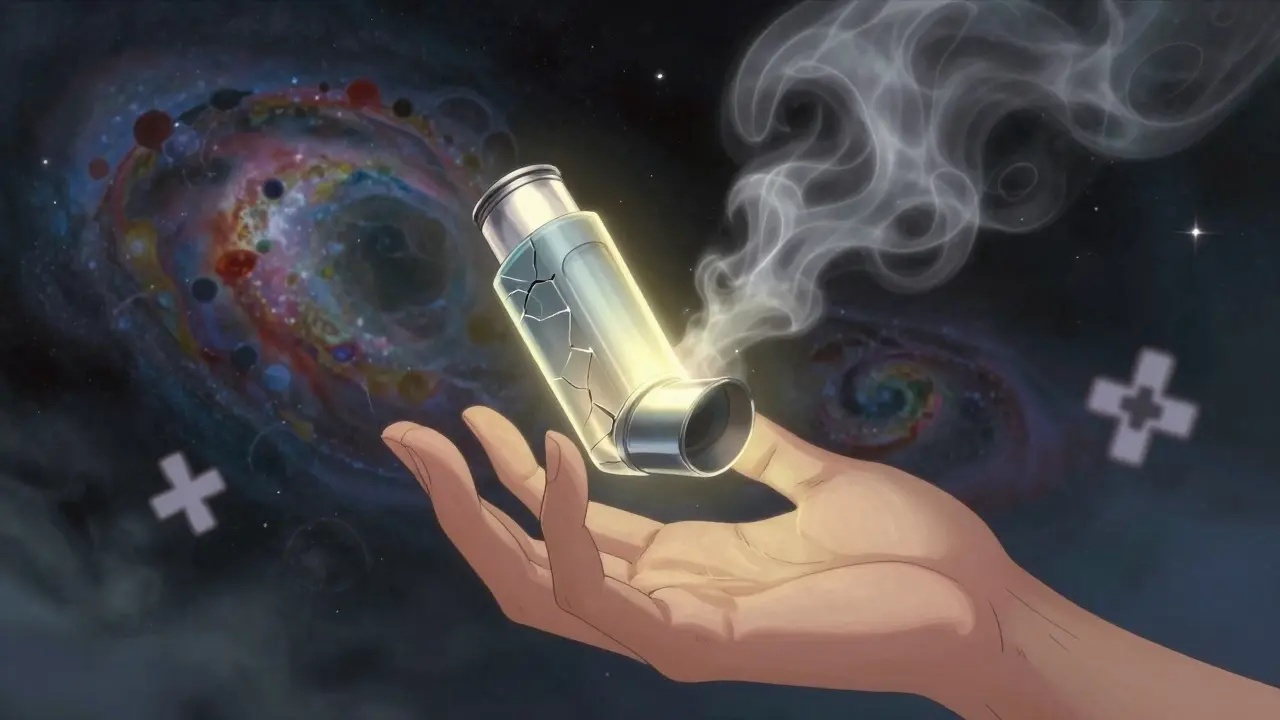
Most people don’t think twice about keeping an old inhaler, eye drops, or cream in the medicine cabinet-until they need it and it doesn’t work. Or worse, until they realize it might be dangerous. Expired medications aren’t just useless-they can be risky. And if you’ve ever used an inhaler during an asthma attack only to feel like the spray was weak or inconsistent, you’re not alone. In fact, nearly 7 out of 10 people with asthma admit to using expired inhalers, according to a 2023 Reddit survey of over 400 users. But here’s the truth: expired inhalers can fail when you need them most.
Why Expired Medications Aren’t Just Old-They’re Unreliable
Expiration dates aren’t arbitrary. They’re based on strict testing by manufacturers to ensure the medicine stays potent and safe. The FDA requires these dates for all prescription and over-the-counter drugs since 1979. For most pills and liquids, that’s 12 to 24 months after production. But for inhalers, eye drops, and creams? The clock ticks faster. Take albuterol inhalers like Ventolin or ProAir. Once you open the foil pouch, they start losing effectiveness. ProAir RespiClick is labeled to work for only 13 months after opening. After that, the dose you get can drop by 30% or more. A 2021 study in the Chest Journal found that expired albuterol inhalers delivered only 60-70% of the intended dose. That’s not a minor drop-it’s the difference between stopping an asthma attack and ending up in the ER. Eye drops are even more dangerous. Once past their expiration date, they become breeding grounds for bacteria. A 2022 study in Clinical Ophthalmology found that 38% of expired artificial tears had harmful microbes after just one week. Using contaminated drops can lead to corneal ulcers, infections, and even vision loss. And unlike pills, you can’t just rinse them out. The preservatives that keep them sterile break down over time, and there’s no way to tell they’re contaminated just by looking. Topical creams like hydrocortisone don’t turn toxic, but they lose strength. At room temperature, a cream that’s six months past its date might still have 90% of its potency. But if it’s been sitting in a hot bathroom or a sunlit drawer, that number drops to 65%. You’re not getting the relief you paid for-and you might keep using it, thinking it’s not working because your condition got worse, when really, the medicine just degraded.The Hidden Dangers of Improper Disposal
So what do you do with all these old meds? Throwing them in the trash is the most common answer-and the worst one. Inhalers are pressurized canisters. Even after you think they’re empty, up to 29% of the medication and propellant remains inside. When tossed into a landfill or incinerator, those canisters can explode. They’re classified as hazardous waste because of the chemicals inside, yet 63% of people still believe it’s fine to toss them with the regular trash, according to a 2023 survey by the Allergy & Asthma Network. Eye drops and creams? They seep into the soil and water. The U.S. Geological Survey found pharmaceutical residues in 80% of U.S. waterways. That’s not just an environmental issue-it’s a public health one. Fish, frogs, and even drinking water sources are affected. The EPA reports that 46% of U.S. streams contain traces of medications, and that’s largely because people flush or trash them. And here’s the kicker: you’re not just harming the planet-you’re risking your own safety. Keeping expired meds around increases the chance someone-maybe a child, an elderly relative, or even you-will grab the wrong one in a panic. A 2023 case report in the Journal of Emergency Medicine described a 24-year-old who ended up hospitalized after his expired inhaler failed during an asthma attack. He didn’t realize it was expired until the ambulance arrived.How to Dispose of Expired Inhalers Safely
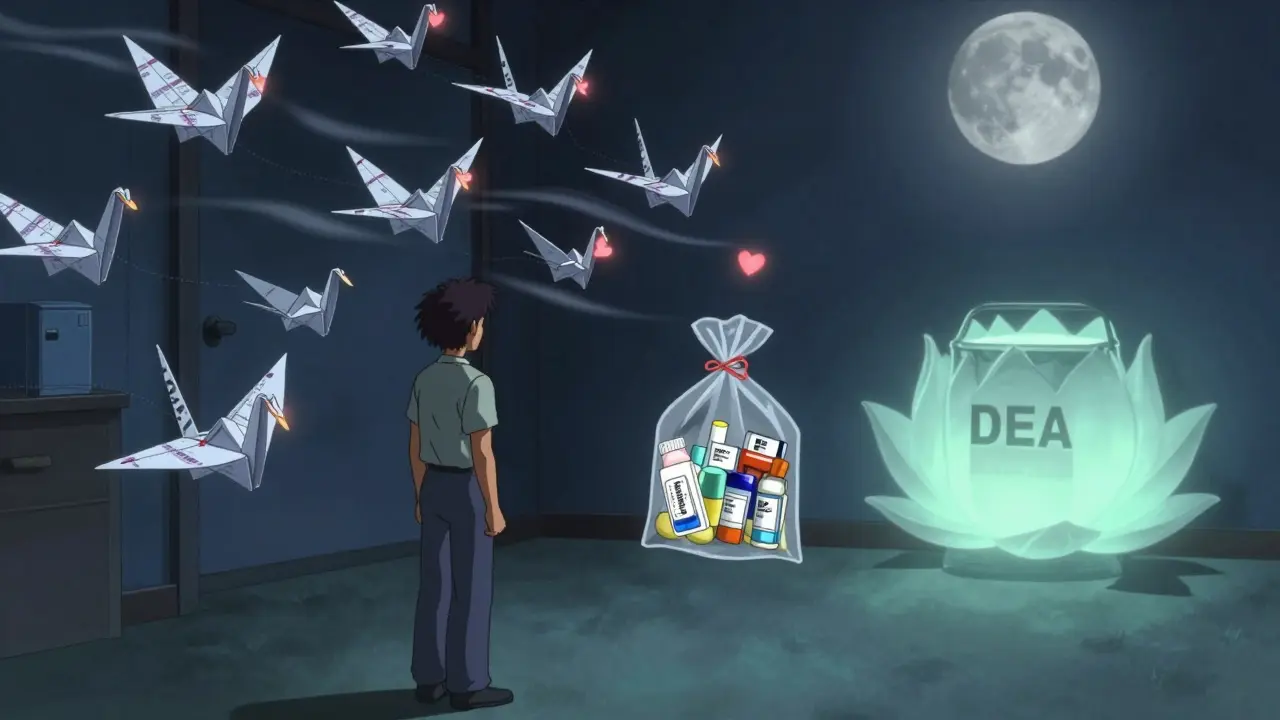
You can’t just throw an inhaler in the recycling bin. But you also don’t need to keep it forever. Here’s what actually works:- Use a take-back program. The DEA runs over 11,000 drug collection sites across the U.S. You can find one near you at DEA.gov/drug-disposal. Many pharmacies like CVS and Walgreens offer free drop-off bins for expired inhalers.
- Mail-back kits. Washington State and several others offer free prepaid mailers for inhalers. Amazon Pharmacy started offering them in October 2023-and processed 12,000 units in the first three months.
- At-home disposal (last resort). If no take-back option is available, remove the metal canister from the plastic mouthpiece. Spray the contents into a trash can outdoors (away from people or pets) until it’s silent. Then, mix the empty canister with coffee grounds or cat litter in a sealed bag before tossing it in the trash. Never puncture or burn it.
Some newer inhalers, like those from Propeller Health, now come with smart caps that alert you 30 days before expiration and even guide you to disposal locations. These are becoming more common-and they’re a game-changer for people who forget.
How to Dispose of Expired Eye Drops and Topical Medications
For eye drops, the rule is simple: if it’s expired, don’t use it. Don’t try to stretch it out. Don’t “just use it once more.” Even if it looks clear and smells fine, it’s not safe.- Eye drops: Pour the liquid into the trash (not the sink). Then, mix the empty bottle with coffee grounds or dirt in a sealed bag before throwing it out. Remove the cap and recycle the plastic if your local facility accepts it.
- Topical creams and ointments: Scrape out as much as you can into the trash. Wipe the tube with a paper towel. Seal the empty tube in a plastic bag and toss it. Don’t rinse the tube-residue can contaminate water systems.
For creams, especially steroid-based ones like hydrocortisone, never give them to someone else-even if they have the same symptoms. What worked for you might not be safe for them, especially if the product is expired.
What to Do If You’re Using Expired Meds Because You Can’t Afford New Ones
This is the hardest truth: nearly half of low-income asthma patients use expired inhalers because they can’t afford replacements. After ProAir HFA was discontinued in 2022, prices jumped-and many Medicaid patients were left without options. You don’t have to choose between your health and your budget. Here’s what helps:- Ask your doctor for samples. Many clinics still have free samples of albuterol inhalers.
- Use patient assistance programs. GlaxoSmithKline, Teva, and other makers offer free or discounted inhalers to qualifying patients. Visit their websites or call their patient support lines.
- Check community health centers. The Asthma and Allergy Foundation of America partnered with 1,200 clinics in 2023 to hand out free inhaler disposal kits-and replacement inhalers-to people who need them.
- Use mail-order pharmacies. Some offer 90-day supplies at lower prices than local pharmacies.
Remember: using an expired inhaler isn’t saving money-it’s risking hospitalization. An ER visit for an uncontrolled asthma attack can cost over $2,000. A new inhaler? Around $50 with a coupon.
How to Prevent This From Happening Again
The best way to handle expired meds is to never let them expire in the first place.- Write the opening date on your inhaler. Once you open the foil pouch, write the date on the label. That’s your new expiration clock.
- Check your medicine cabinet every 3 months. Set a calendar reminder. Toss anything expired, even if it looks fine.
- Store meds properly. Keep inhalers and creams away from heat and moisture. Don’t store them in the bathroom. A cool, dry drawer is best.
- Keep only what you need. Don’t stockpile. Buy only a 30-day supply unless your doctor says otherwise.
Smart packaging is coming. Propeller Health’s inhaler cap, released in early 2023, tracks usage and expiration. Other companies are following. But until then, you’re the best defense.
What to Do in an Emergency
If you’re having an asthma attack and your inhaler is expired, here’s what to do:- Use it anyway-just once.
- Call 911 or have someone take you to the ER immediately.
- Don’t wait. Don’t hope. Don’t assume it’ll work.
It’s better to use an expired inhaler than to do nothing. But treat it like a last-resort tool-not a reliable one. And after the emergency, get a new one. Fast.
Can I still use an expired inhaler if it looks fine?
No. Even if the canister feels full and the spray looks normal, the medication inside may have lost potency. Studies show expired albuterol inhalers can deliver as little as 60% of the correct dose. During an asthma attack, that’s not enough to open your airways. Don’t risk it.
Is it safe to flush expired eye drops down the toilet?
No. Flushing medications pollutes water systems and harms aquatic life. The FDA recommends mixing expired eye drops with coffee grounds or kitty litter in a sealed bag before throwing them in the trash. This prevents accidental ingestion and reduces environmental contamination.
Do all expired medications become toxic?
Most don’t become poisonous, but they do lose effectiveness. The exception is nitroglycerin and epinephrine auto-injectors, which degrade rapidly and can become dangerous. For inhalers, eye drops, and creams, the main risk is failure-not toxicity. But failure during an emergency can be deadly.
Can I donate expired medications to charities?
No. U.S. law prohibits the donation of expired medications. Even if they seem usable, there’s no way to guarantee their safety or potency. Only unopened, unexpired medications can be donated-and only through approved programs like MedWish or local health departments.
How do I find a drug take-back location near me?
Visit the DEA’s National Prescription Drug Take Back Day website or call the Medicine Safe Disposal Hotline at 1-800-222-1222. Major pharmacies like CVS and Walgreens also offer free disposal bins in most locations. In New Zealand, you can return expired meds to any pharmacy-no questions asked.
If you’re unsure about any medication, call your pharmacist. They’re trained to help you dispose of old meds safely-and they won’t judge you for having them. The goal isn’t perfection-it’s prevention. One less expired inhaler in the drawer means one less emergency waiting to happen.




Mindee Coulter
January 29, 2026 AT 03:24Just tossed my old Ventolin today after reading this. Took me 3 years to finally do it. I kept thinking 'it's probably fine' but nah, that 60% dose thing is scary. Thanks for the clear disposal guide.
SRI GUNTORO
January 30, 2026 AT 00:03People don't realize how reckless this is. You're not just risking your own life-you're poisoning the water supply for future generations. This isn't just about medicine, it's about moral decay. We've become a society that treats life like a disposable product.
Rhiannon Bosse
January 30, 2026 AT 11:08Oh wow, so the government and pharma companies are totally in cahoots to make us buy new inhalers? 🤔 Let me guess-they also told you the moon landing was real and that your toilet paper doesn't have microchips? I mean, if the expiration date is just a scam to make money, why did they even bother testing it? 😂
John Rose
January 30, 2026 AT 12:59Good breakdown. I’ve been storing my hydrocortisone in a drawer away from the bathroom since my dermatologist told me heat kills the potency. Small habits make a big difference. Also, never used an expired eye drop-I just throw them out. No exceptions.
Lexi Karuzis
February 1, 2026 AT 05:36Wait-so you’re telling me that the FDA, DEA, and every major pharmacy chain are ALL lying to us? And that the 'take-back' programs are just PR stunts to make people feel better while Big Pharma profits? I’ve seen the data. I’ve seen the charts. They’re hiding the real expiration dates. The real date is 3 months after opening. Not 13. NEVER 13.
Brittany Fiddes
February 1, 2026 AT 13:34Of course Americans can’t dispose of medicine properly. You can’t even recycle a milk carton without a PhD. In the UK, we just drop expired meds at any pharmacy-no forms, no questions, no drama. We don’t need a 12-step program to throw away a bottle. Just do it. It’s not rocket science.
Colin Pierce
February 1, 2026 AT 20:51My mom used to keep all her meds 'just in case'-until she accidentally gave my dad her expired insulin. He ended up in the ER. Now she uses the mail-back kits. They’re free, easy, and actually work. If you’re worried about cost, call your local clinic-they’ve got samples. Don’t gamble with your breathing.
Mark Alan
February 3, 2026 AT 03:41🚨 ALERT 🚨 Expired inhalers = silent killers. 🚨 I had a friend die because his 'just in case' inhaler didn't work. He thought it was 'fine' because it still sprayed. Spoiler: it wasn't. 💔 Please, for the love of god, don't be that guy. 🗑️💊
Anna Lou Chen
February 4, 2026 AT 11:27The entire pharmaceutical-industrial complex is predicated on the ontological insecurity of the human body. We are conditioned to perceive temporality as pathology-expiration dates are not scientific artifacts, they are neoliberal mechanisms of biopolitical control. The inhaler is not a tool-it is a signifier of capitalist fragility. The fact that we treat medicine as a consumable commodity, rather than a relational practice of care, reveals the collapse of the phenomenological contract between the self and the body. You don't need a new inhaler-you need a new epistemology.
And yes, I know this sounds like a manifesto written by a grad student who just finished Foucault. But have you considered that the real crisis isn't the expired medication-it's the system that makes you feel guilty for needing it in the first place?
Meanwhile, the EPA is measuring pharmaceutical runoff in parts per trillion while ignoring the fact that 40% of Americans can't afford a $50 inhaler. So yes, dispose of it properly-but also demand systemic change. Because the real expiration date is when we stop treating health as a transaction.
Ambrose Curtis
February 5, 2026 AT 22:21lol i used an expired inhaler last year during a panic attack and it kinda worked? like, not great but enough to calm me down. i felt bad but honestly i was too scared to go to the er. now i keep a spare in my car. also, i write the open date on the side with a sharpie. dumb but it works. ps: my dog ate a pill once and lived. so maybe we’re all fine?
Linda O'neil
February 7, 2026 AT 12:04Just got my first free inhaler from my local health center! They gave me one with a smart cap too-so cool. I used to feel ashamed for using expired meds, but now I know it’s not my fault. Systems failed us. But we’re fixing it, one pill at a time. 💪 You got this.
Amber Daugs
February 8, 2026 AT 03:54YOU’RE. STILL. USING. EXPIRED. MEDS?!?!?!!? You’re not just irresponsible-you’re a danger to everyone around you. Do you even know how many kids have been hospitalized because someone’s 'just one more use' turned into a trip to the ER? You think you’re saving money? You’re paying for it tenfold in trauma, medical bills, and guilt. And if you think the system is broken-well, maybe you’re part of the problem. Stop making excuses. Throw it out. Now.