Safe Medication Disposal Guide
This tool helps you determine the safest method to dispose of expired or unused medications based on FDA guidelines. Enter your situation to get specific instructions.
Select Your Disposal Situation
Select your situation above and click "Determine Disposal Method" to see the safest disposal option for your medication.
Every year, millions of unused or expired medications end up in homes, medicine cabinets, and trash cans. Many people think tossing them in the trash or flushing them down the toilet is harmless. But it’s not. Improper disposal contributes to drug abuse, accidental poisonings, and environmental pollution. The FDA has clear, science-backed rules for what to do with old pills, liquids, and patches-and most of us aren’t following them.
Here’s the truth: the safest, most effective way to get rid of expired medications isn’t at home. It’s through a drug take-back program. And if you don’t have access to one? There are still safe, specific steps you must follow. This isn’t guesswork. It’s based on data from millions of disposed medications and years of public health research.
Why Proper Disposal Matters
Think about your medicine cabinet. How many bottles are there? Maybe a few old antibiotics, leftover painkillers, or an old anxiety prescription from last year. The FDA reports that 15-20% of all prescription medications in the U.S. go unused. That’s over 5 billion pills annually. Most of these sit around, often within reach of kids, teens, or visitors.
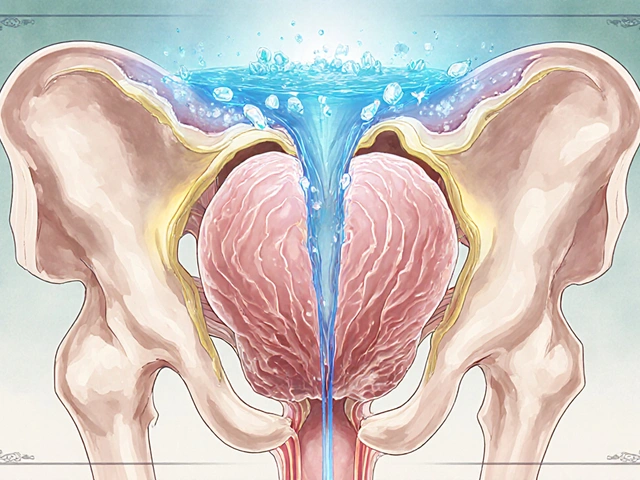
That’s dangerous. In 2022, over 70,000 drug overdose deaths occurred in the U.S. Nearly 13,500 of them involved prescription opioids found in homes. The National Institute on Drug Abuse confirms that easy access to unused medications is a major factor in adolescent misuse. And it’s not just about people. Flushed drugs end up in waterways. The U.S. Geological Survey found trace amounts of pharmaceuticals in over 80% of rivers and streams tested. While the concentration is tiny, it adds up-and it’s avoidable.
Proper disposal isn’t just about cleanliness. It’s about safety. And the FDA has built a system to make it easy.
The Three FDA-Approved Disposal Methods
The FDA doesn’t leave you guessing. They’ve ranked disposal methods by safety and effectiveness. Here’s the order you should follow:
- Drug Take-Back Programs - The #1 choice, every time.
- Prepaid Mail-Back Envelopes - A solid backup if take-back isn’t nearby.
- Home Disposal (Trash Only) - Only if the first two aren’t possible.
Flushing? That’s only for 13 specific medications-and even then, only if you can’t get to a take-back location within 30 minutes.
Drug Take-Back Programs: The Gold Standard
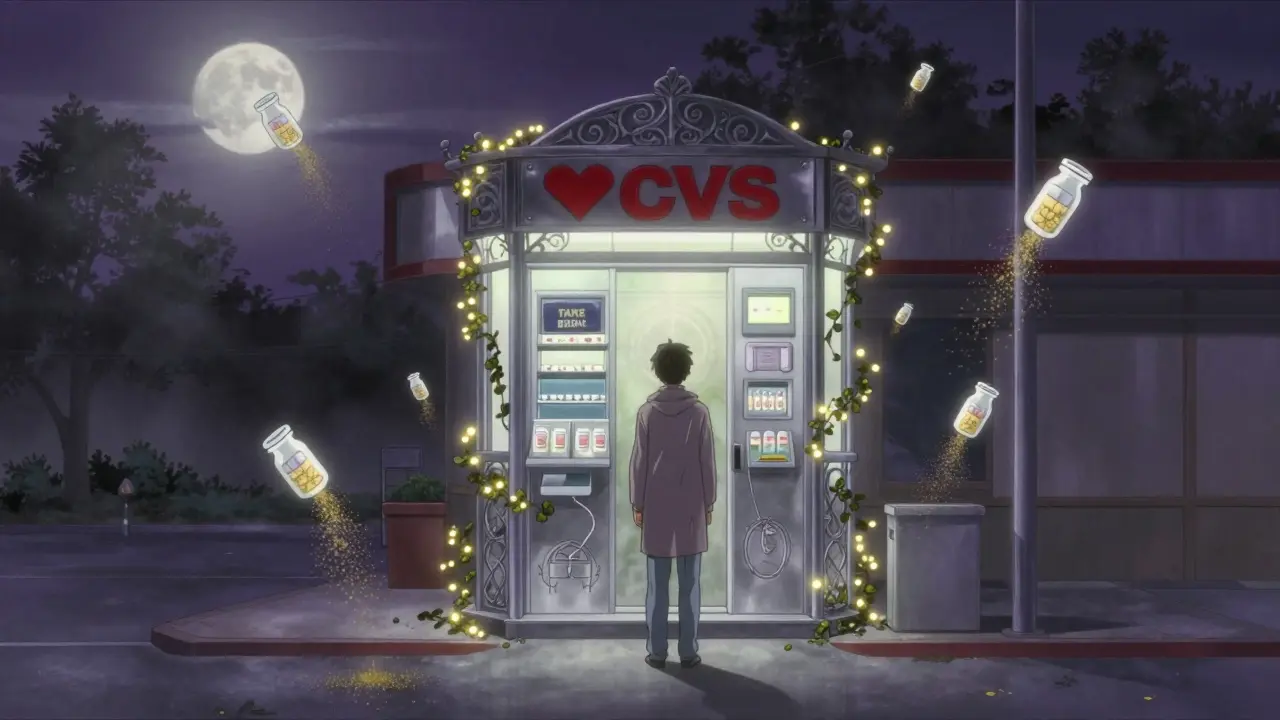
This is what the FDA wants you to do 100% of the time. Take-back programs collect medications at secure drop-off locations. These are often inside pharmacies, hospitals, or police stations. The DEA authorized permanent collection sites in 2010, and since then, the number has exploded.
As of January 2025, there are over 14,352 permanent take-back locations across the U.S. That’s more than 68% of all counties having at least one site. Walmart and CVS alone operate over 9,000 kiosks combined. These kiosks are locked, monitored, and emptied monthly. The medications are incinerated under strict environmental controls-no landfill, no water contamination.
How effective are they? The DEA’s 2024 report says take-back programs achieve a 99.8% proper disposal rate. That’s nearly perfect. In contrast, home disposal methods only hit 87.3% compliance.
You don’t need an appointment. Just bring your unopened or expired meds in their original bottles. No questions asked. Some locations even accept controlled substances like oxycodone or Xanax.
Don’t know where to go? Visit DEA.gov/takeback or call your local pharmacy. You can also check for National Take-Back Days-held twice a year (April 26 and October 25, 2025). In October 2024 alone, over 1 million pounds of medication were collected.
Mail-Back Envelopes: A Convenient Alternative
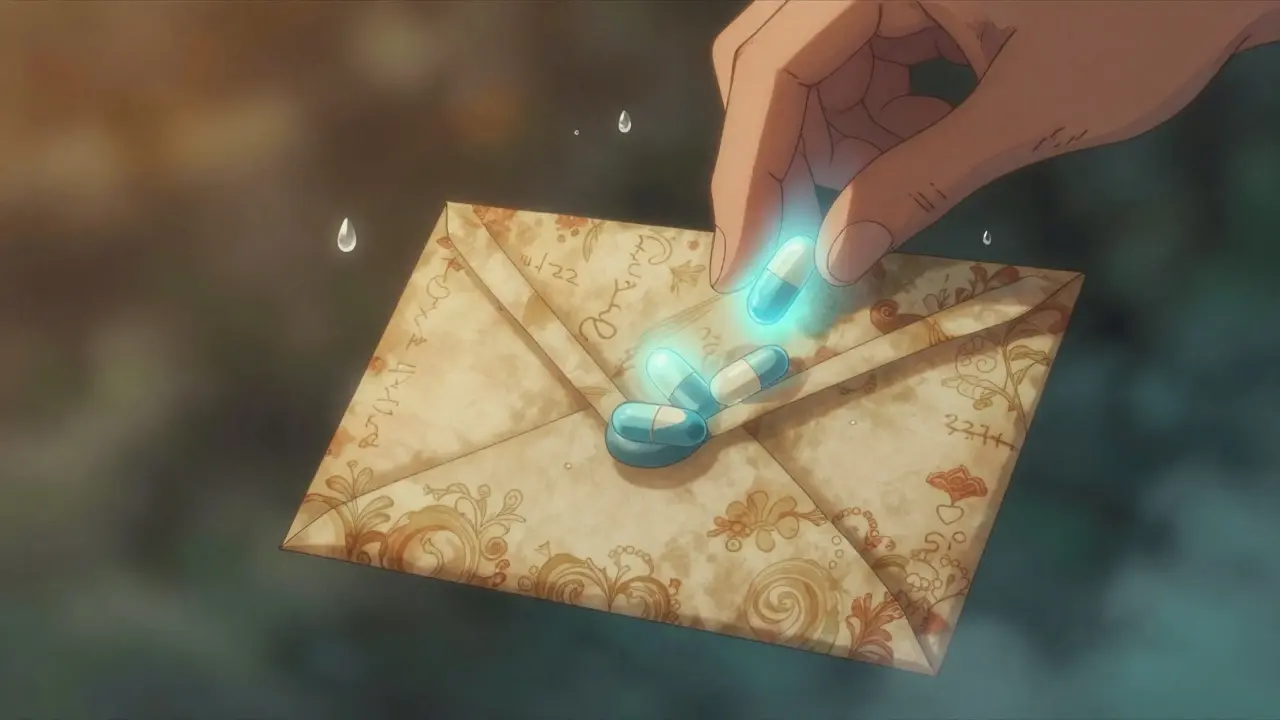
If you live in a rural area or can’t get to a take-back site, mail-back envelopes are your next best option. These are prepaid, tamper-proof envelopes designed to safely transport medications to incineration facilities.
Companies like DisposeRx and Sharps Compliance offer these. The FDA requires them to meet strict USPS standards for pharmaceutical shipping. You simply fill the envelope with your meds (no need to remove pills from blister packs), seal it, and drop it in any mailbox.
According to Express Scripts’ 2024 survey of 287,000 users, 94.2% were satisfied with the service. Many pharmacies now offer them for free, especially for Medicare or VA patients. The cost, if any, is $2.15 to $4.75 per envelope.
One advantage? You can use them anytime. No waiting for a take-back day. And because they’re sealed and tracked, they’re more secure than tossing meds in the trash.
Home Disposal: What to Do When You Have No Other Choice
If you truly can’t access a take-back program or mail-back service, you must dispose of medications at home. But you can’t just throw them in the trash. The FDA has strict rules to prevent accidental ingestion and environmental harm.
Here’s the exact 5-step process for non-flush list medications:
- Remove personal info. Scratch off your name, prescription number, and pharmacy details with a permanent marker or alcohol swab. Don’t just peel the label-destroy the writing.
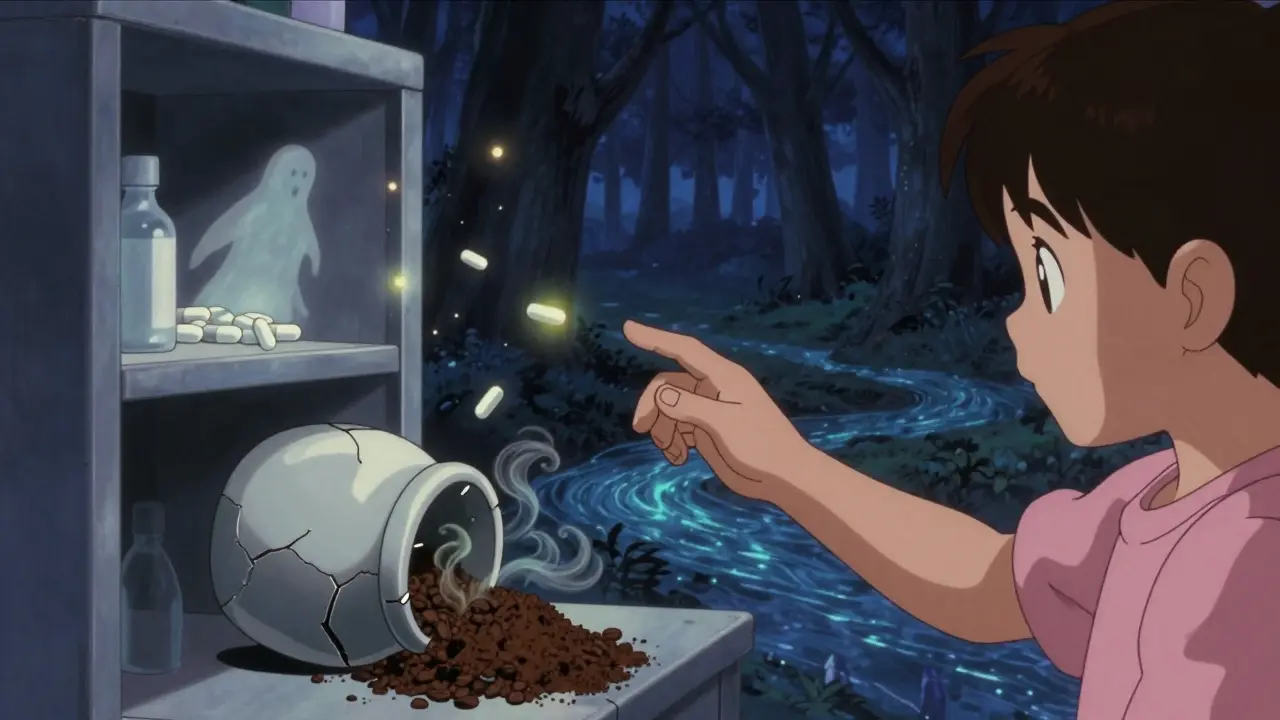
- Mix with unpalatable material. Use a 1:1 ratio. Coffee grounds work best (78.3% of users prefer them). Cat litter, dirt, or even used paper towels also work. This makes the meds unappealing and hard to recover.
- Seal in an impermeable container. Use a plastic container with walls at least 0.5mm thick. A sealed jar, zip-top bag, or even a sturdy yogurt tub works. Liquid meds? Soak them in absorbent material first.
- Put in household trash. Not recycling. Not compost. Just regular trash. This keeps it out of water systems and prevents scavengers from digging it up.
- Recycle the empty bottle. Once it’s completely blank and clean, you can recycle the container. Remove the cap and toss it separately if your local program requires it.
One common mistake? People pour liquid medications directly into the trash. That’s a no-go. Liquids can leak, spill, or be siphoned off. Always mix them with absorbent material first.
The FDA Flush List: When Flushing Is Allowed
Here’s the exception: 13 specific medications are dangerous enough that the FDA says flushing is acceptable-if you can’t get to a take-back site within 30 minutes or 15 miles.
These are all high-risk opioids and benzodiazepines, including:
- Fentanyl patches
- Oxycodone
- Hydrocodone
- Buprenorphine
- Alprazolam (Xanax)
- Methadone
The FDA updated this list in October 2024, removing oxymorphone and adding buprenorphine. Why? Because these drugs are deadly in small doses-even one pill can kill a child or pet.
Flushing eliminates immediate risk. But it’s not ideal for the environment. The EPA strongly discourages flushing for any medication, even on the list. They say the long-term impact on water systems, while tiny, is still unnecessary pollution.
Bottom line: Only flush if you have no other option. And if you do, flush one pill at a time-don’t dump a whole bottle.
What You Should Never Do
Let’s clear up the myths:
- Don’t flush non-Flush List meds. This is the #1 mistake. Over 34% of households in a 2024 Consumer Reports survey flushed pills like ibuprofen or amoxicillin. That’s against FDA rules.
- Don’t pour meds down the sink. Same problem as flushing. Water systems aren’t designed to filter out pharmaceuticals.
- Don’t give them to friends. Even if they have similar symptoms, your prescription isn’t theirs. It’s illegal and dangerous.
- Don’t throw pills in recycling. Recycling plants can’t handle drugs. They end up in landfills or waterways anyway.
One user on Reddit, a nurse with 12 years of hospital experience, said: "I see patients every week who think flushing is fine. They don’t know the rules-and pharmacies rarely explain them."
Real-World Challenges
Not everyone can easily access a take-back site. In rural areas, 31.4% of residents report no location within 25 miles. That’s why mail-back programs are so important. The VA and military pharmacies have seen 89.2% compliance when offering free mailers-compared to just 62.7% with standard instructions.
Another issue? People don’t know what’s on the Flush List. A 2024 FDA usability study found 67.2% of users needed help from a pharmacist to identify which meds to flush. If you’re unsure, ask your pharmacist. They’re trained to help.
And don’t forget: take-back kiosks get emptied every month. If you see one, use it-even if your meds aren’t expired. Every pill removed from a home is one less risk.
What’s Changing in 2025
The system is getting better. The DEA plans to expand take-back locations to 20,000 by the end of 2025. The EPA just announced a $37.5 million grant program to help communities build more collection sites. And the FDA aims for 90% of Americans to use take-back programs by 2030.
Pharmacies are stepping up too. Walmart now has kiosks in every U.S. location. CVS spends $15 million a year on mail-back services. These aren’t just good PR-they’re saving lives.
Meanwhile, experts like Dr. Wilson Compton from the National Institute on Drug Abuse say communities with three or more take-back sites per 100,000 people see an 11.2% drop in teen opioid misuse. That’s not theoretical. That’s measurable.
Final Checklist: What to Do Today
Here’s your simple action plan:
- Check your medicine cabinet. Pull out anything expired, unused, or no longer needed.
- Look up your nearest take-back location at DEA.gov/takeback.
- If it’s within 30 minutes, bring your meds there. Done.
- If not, ask your pharmacy for a free mail-back envelope.
- If neither is available, follow the 5-step home disposal method.
- For fentanyl, oxycodone, or other Flush List meds, flush only if no other option exists.
It takes less than 10 minutes. And it could prevent a tragedy.

Michelle Jackson
March 20, 2026 AT 13:03Suchi G.
March 22, 2026 AT 11:53becca roberts
March 22, 2026 AT 14:48SNEHA GUPTA
March 22, 2026 AT 18:19Andrew Mamone
March 23, 2026 AT 19:00gemeika hernandez
March 24, 2026 AT 02:04Nicole Blain
March 25, 2026 AT 14:23Kathy Underhill
March 27, 2026 AT 02:35