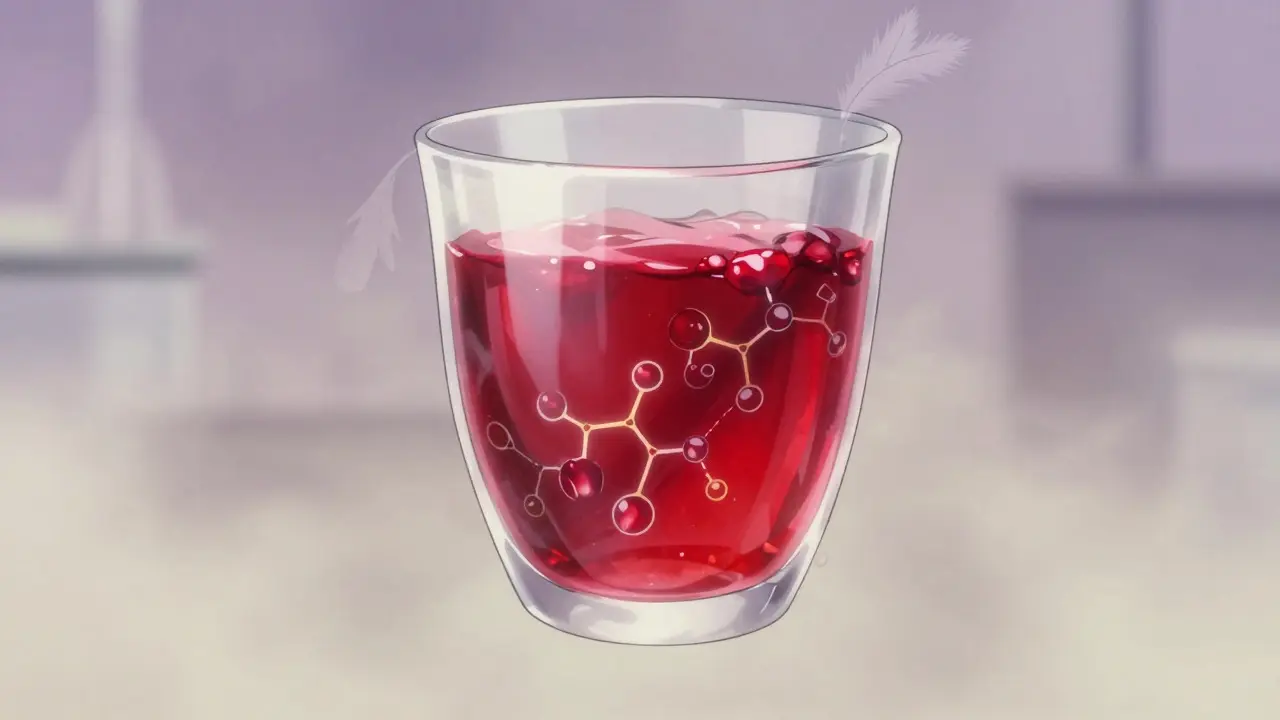
That bright red glass of pomegranate juice on your breakfast table might be doing more than just quenching your thirst. It could be quietly changing how your body processes prescription drugs. For years, health headlines have warned about the dangers of mixing this popular beverage with medications, citing risks that range from mild side effects to serious toxicity. But here is the twist: the science is messy. While lab tests show clear signs of interference, human studies often tell a different story.
If you take daily medication, especially for heart conditions or blood thinning, you need to know where the real risk lies. This isn't about fear-mongering; it's about understanding the biological mechanics at play so you can make safe choices without giving up foods you love entirely.
The Science Behind the Interaction
To understand why pomegranate juice causes concern, we have to look inside your liver and intestines. Your body relies on a family of enzymes called cytochrome P450, specifically CYP3A4 and CYP2C9, to break down approximately 60% of all clinically used drugs. Think of these enzymes as garbage disposals-they chop up medication molecules so your body can use what it needs and excrete the rest.
Pomegranate juice is packed with polyphenolic compounds, including punicalagins and ellagitannins. These are powerful antioxidants, but they also act as inhibitors. In laboratory settings (in vitro), these compounds bind to the CYP enzymes, effectively slowing them down. When the "garbage disposal" slows down, medication stays in your bloodstream longer and at higher concentrations. This is known as increased bioavailability. Preclinical models suggest this inhibition could increase drug levels by 25-40%, which sounds alarming on paper.
The problem? Lab dishes don't behave exactly like human bodies. The concentration of active compounds needed to inhibit enzymes in a test tube is often much higher than what you get from drinking a standard 8-ounce glass of juice. This gap between theory and reality is where most of the confusion comes from.
What Human Studies Actually Show
When researchers move from petri dishes to people, the picture becomes blurry. A pivotal 2014 study published in the Journal of Clinical Pharmacology tested this exact scenario. Twelve healthy volunteers drank 330 mL of pomegranate juice daily for two weeks while taking midazolam, a drug heavily processed by CYP3A4. The result? No significant change in how their bodies handled the drug. The geometric mean ratios for drug exposure were nearly identical to those who didn't drink the juice.
Similarly, research on theophylline, a narrow therapeutic index drug used for asthma, showed only a negligible 7.2% increase in drug levels in animal models, which experts deemed clinically insignificant. Dr. David Mischoulon from Massachusetts General Hospital noted in The Journal of Clinical Psychiatry that potential interactions identified in labs do not necessarily translate into clinical problems for humans. He emphasized that laboratory data alone shouldn't drive drastic lifestyle changes.
However, "no effect" doesn't mean "safe for everyone." Individual genetics play a huge role. Some people have naturally slower metabolizing enzymes due to genetic polymorphisms. For these individuals, even a mild inhibitor like pomegranate juice could tip the scales toward toxicity. This is why blanket statements are dangerous-you aren't a generic subject in a trial; you are a unique biological system.
High-Risk Medications to Watch
Not all drugs carry the same risk. The danger is highest with medications that have a narrow therapeutic index. These are drugs where the difference between a helpful dose and a toxic dose is very small. If pomegranate juice slows their breakdown, you could quickly cross into dangerous territory.
| Medication Class | Specific Examples | Potential Risk | Enzyme Affected |
|---|---|---|---|
| Anticoagulants | Warfarin (Coumadin) | Increased bleeding risk, elevated INR | CYP2C9 |
| Statins | Atorvastatin (Lipitor), Simvastatin | Muscle pain, kidney damage | CYP3A4 |
| ACE Inhibitors | Lisinopril, Enalapril | Excessively low blood pressure | CYP3A4 |
| Immunosuppressants | Tacrolimus, Cyclosporine | Toxicity, organ rejection risk | CYP3A4 |
| Antidepressants | Some SSRIs/SNRIs | Side effects, serotonin syndrome | CYP3A4 |
Among these, warfarin gets the most attention. Case reports documented by the UK's Medicines and Healthcare products Regulatory Agency show instances where regular pomegranate juice consumption raised International Normalized Ratio (INR) values by 0.5 to 1.5 units. One patient saw their INR jump from 2.5 to 4.1, significantly increasing bleeding risk. However, user data from PatientsLikeMe suggests that 89% of users on warfarin reported no significant changes. This variability highlights why monitoring is non-negotiable for anticoagulant users.
Practical Guidelines for Safe Consumption
You don't necessarily need to banish pomegranate juice from your diet, but you should treat it with respect. Here is how to manage the risk based on current medical consensus:
- Consistency is Key: The American Heart Association advises maintaining consistent consumption patterns. Sudden spikes in intake-like chugging a liter during flu season-are more likely to cause issues than steady, moderate use. Your body adapts to regular inputs, but shocks disrupt equilibrium.
- Limit Quantity: Stick to no more than 8 ounces (one cup) per day. Most interaction studies involve larger volumes. Keeping portions small reduces the total load of inhibitory compounds entering your system.
- Time Separation: Pharmacists at the University of North Carolina recommend separating medication intake from pomegranate juice consumption by at least two hours. This minimizes direct contact in the gut, potentially reducing intestinal enzyme inhibition.
- Monitor Closely: If you start or stop drinking pomegranate juice regularly, inform your doctor. For warfarin users, this means checking your INR more frequently during the transition period. Look for unusual bruising, nosebleeds, or extreme fatigue.
Remember, grapefruit juice has a well-documented, severe interaction profile with statins and other drugs, leading to FDA warnings. Pomegranate juice does not yet carry the same weight of evidence, but it deserves similar caution until more large-scale human trials confirm its safety profile across diverse populations.

Real-World Perspectives and Anecdotes
Online communities offer a window into real-world experiences, though they come with caveats. On Reddit’s r/bloodthinners, some users report dramatic INR swings after starting daily pomegranate juice, requiring dose adjustments. One user described an INR jump from 2.4 to 4.7 within three days. Conversely, others report zero issues despite long-term use. This split mirrors the scientific debate: some bodies react strongly, while others remain unaffected.
A 2022 survey in the Journal of Pharmacy Practice found that 28.3% of patients on chronic medications regularly consumed pomegranate products, yet only 4.7% experienced adverse effects potentially linked to interactions. This suggests that for the majority, the risk is manageable or nonexistent. However, "majority" doesn't protect the individual who happens to be sensitive. Always prioritize your own health data over general statistics.
Future Research and Current Consensus
Science is still catching up. The National Center for Complementary and Integrative Health funded a study examining pomegranate juice interactions with 12 common medications in 150 subjects, aiming to clarify these uncertainties. Preliminary results are expected in mid-2025. Until then, the European Medicines Agency maintains that while theoretical risks exist, clinical relevance remains unproven for most drugs except possibly warfarin.
The bottom line? Don't panic, but don't ignore it either. If you're on a high-risk medication, talk to your pharmacist or doctor before making pomegranate juice a daily habit. For most other medications, moderate consumption is likely safe, provided you stay consistent and watchful. Your health is too important to leave to chance, but it's also worth enjoying the benefits of nutrient-rich foods when done wisely.
Does pomegranate juice interact with aspirin?
There is limited direct evidence of a strong interaction between pomegranate juice and aspirin. Aspirin is primarily metabolized differently than drugs affected by CYP3A4. However, since both can affect bleeding risk, combining them may slightly increase the chance of gastrointestinal bleeding. Consult your doctor if you take high-dose aspirin regularly.
Can I drink pomegranate juice with blood pressure medication?
Yes, but with caution. ACE inhibitors like lisinopril are metabolized by CYP3A4. Pomegranate juice may enhance their effect, potentially lowering blood pressure too much. Monitor for dizziness or lightheadedness, especially when starting regular consumption. Keep intake consistent to avoid fluctuations.
Is pomegranate juice safer than grapefruit juice?
Generally, yes. Grapefruit juice contains furanocoumarins, which irreversibly inhibit CYP3A4 enzymes, causing prolonged and potent interactions. Pomegranate juice's inhibition appears weaker and less consistent in humans. However, "safer" doesn't mean "risk-free," especially for narrow therapeutic index drugs.
How much pomegranate juice is considered moderate?
Moderate consumption is typically defined as up to 8 ounces (one cup) per day. Staying within this limit reduces the total intake of inhibitory compounds like punicalagins, minimizing the likelihood of significant enzyme suppression while still providing antioxidant benefits.
Do pomegranate supplements pose the same risk?
Potentially higher risk. Supplements often contain concentrated extracts of pomegranate polyphenols, delivering a much higher dose of active compounds than whole juice. This concentration increases the likelihood of enzyme inhibition. Check labels for standardized extract amounts and consult your healthcare provider before using supplements alongside medication.