Waking up with that familiar, urgent cramp in your lower abdomen is a feeling anyone with Ulcerative Colitis is a chronic inflammatory condition affecting the large intestine (colon) and rectum, classified as a form of inflammatory bowel disease (IBD) knows too well. It’s not just stomach pain; it’s a signal that your body’s immune system has turned against itself, attacking the lining of your digestive tract. For millions of people, this daily reality involves unpredictable flare-ups, bloody diarrhea, and the constant anxiety of needing to find a restroom immediately.
But here is the truth that medical experts agree on: while you cannot cure ulcerative colitis yet, you can control it. Most people with UC lead active, full lives by managing their symptoms and achieving long periods of remission. The key lies in understanding exactly what is happening inside your colon and having a clear, personalized strategy to keep the inflammation at bay. This isn’t about quick fixes or miracle diets; it’s about evidence-based management that works.
What Is Ulcerative Colitis and How Does It Differ From Crohn's?
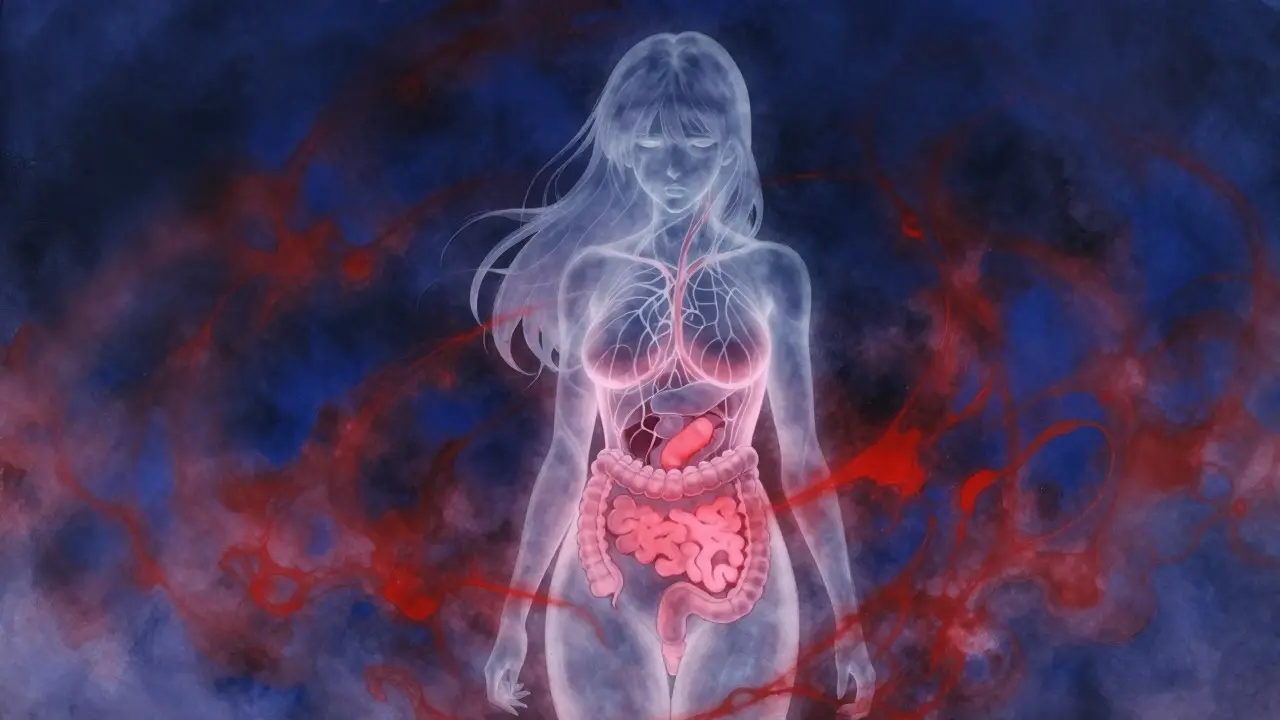
To manage the disease, you first need to know what you are dealing with. Ulcerative colitis is an autoimmune disorder where the inner lining of the colon and rectum becomes inflamed, creating open sores called ulcers. Unlike other digestive issues, this inflammation doesn't skip around. It starts in the rectum and spreads continuously upward through the colon. If you have UC, there are no patches of healthy tissue between the inflamed areas within the affected section.
This continuous pattern is the biggest difference between UC and Crohn's disease, which is another major type of inflammatory bowel disease that can affect any part of the gastrointestinal tract from mouth to anus. Crohn's disease often affects patchy regions (skip lesions) and penetrates deep into the intestinal wall layers. UC, however, stays on the surface-the inner mucosal layer-and is limited strictly to the large intestine. Understanding this distinction matters because it changes how doctors diagnose you, what symptoms to expect, and which treatments will be most effective.
| Feature | Ulcerative Colitis | Crohn's Disease |
|---|---|---|
| Affected Area | Colon and rectum only | Mouth to anus (any GI segment) |
| Inflammation Pattern | Continuous, starting from rectum | Patchy "skip lesions" |
| Depth of Damage | Inner lining only (mucosa) | Full thickness of intestinal wall (transmural) |
| Bleeding | Very common (bloody diarrhea) | Less common, depends on location |
Types of Ulcerative Colitis: Where the Inflammation Lives
Not all UC cases look the same. Doctors classify the disease based on how far up the colon the inflammation has spread. Knowing your specific type helps predict symptom severity and cancer risk.
- Ulcerative Proctitis: Inflammation is confined to the rectum (less than 6 inches). Symptoms are usually milder, often presenting as isolated rectal bleeding without severe abdominal pain. This type carries the lowest risk of complications.
- Proctosigmoiditis: Affects the rectum and sigmoid colon (the last part of the colon before the rectum). You might experience cramping on the left side and bloody stools.
- Left-Sided Colitis: Inflammation extends from the rectum up to the splenic flexure (near the spleen). This causes more significant symptoms like weight loss and persistent left-sided abdominal pain.
- Pancolitis (Total Colitis): The entire colon is inflamed. This is the most severe form, often causing violent diarrhea with blood and pus, high fever, and severe fatigue. Patients may have more than 10 bowel movements a day.
There is also a rare form called rectal-sparing UC, where the colon is affected but the rectum remains healthy. Regardless of the type, the goal remains the same: reduce inflammation and heal the tissue.

Recognizing the Signs: Flare-Ups vs. Remission
UC is a relapsing-remitting disease. This means you will have periods of remission, defined as a period when symptoms are absent or minimal, and the colon lining is healing, followed by flare-ups when inflammation returns. Recognizing the early signs of a flare is crucial for preventing it from becoming severe.
The hallmark symptom of UC is bloody diarrhea. According to medical literature, nearly 100% of patients report blood in their stool during active disease. Other common signs include:
- Tenesmus: That distressing sensation of needing to pass stool even when your bowels are empty.
- Urgency: An uncontrollable need to reach the bathroom immediately.
- Abdominal Pain: Cramping, often on the left side, that worsens before a bowel movement.
- Systemic Symptoms: Fever, fatigue, and unintended weight loss during severe flares.
Don't ignore extraintestinal manifestations either. About 25-40% of UC patients experience symptoms outside the gut, such as joint pain, eye irritation (uveitis), or skin rashes. These are signals that your immune system is overactive everywhere, not just in your colon.
Evidence-Based Remission Strategies
Achieving remission isn't about guessing; it's about following a step-up treatment strategy tailored to your disease severity. Here are the core pillars of modern UC management.
1. Medication: The First Line of Defense
Medication is the cornerstone of UC treatment. For mild to moderate cases, doctors typically prescribe aminosalicylates (5-ASAs), which are anti-inflammatory medications like mesalamine that work directly on the colon lining. These can be taken orally or administered as enemas/suppositories to target the rectum directly.
If 5-ASAs aren't enough, the next step involves corticosteroids (like prednisone) to quickly calm acute inflammation. However, steroids are not for long-term use due to side effects. For maintaining remission, immunomodulators (such as azathioprine) or biologic therapies (which target specific proteins in the immune system) become necessary. Biologics have revolutionized care for moderate to severe UC, offering deeper healing and fewer side effects than older drugs.
2. Dietary Management During Flares
Food doesn't cause UC, but it can trigger symptoms. During a flare, your colon is raw and sensitive. The goal shifts to reducing mechanical stress on the gut. Focus on low-residue, easily digestible foods:
- White rice and refined grains: Easier to digest than whole grains.
- Lean proteins: Chicken, fish, or tofu.
- Cooked vegetables: Avoid raw veggies and skins, which are hard to break down.
- Hydration: Diarrhea leads to rapid fluid loss. Drink water, electrolyte solutions, or broth.
Keep a food diary. What triggers one person might not bother another. Common irritants include dairy, spicy foods, alcohol, and high-fiber foods during active inflammation.
3. Stress Reduction
Stress does not cause UC, but it absolutely can trigger a flare. The gut-brain axis is real. When you are stressed, your body releases hormones that can worsen inflammation. Incorporate stress-management techniques like mindfulness, yoga, or cognitive behavioral therapy (CBT) into your routine. It’s not a substitute for medication, but it is a powerful tool for maintaining stability.

Long-Term Monitoring and Cancer Risk
Living with UC requires vigilance. Chronic inflammation increases the risk of colorectal cancer. The longer you have UC, and the more extensive the inflammation (especially with pancolitis), the higher the risk. This is why regular surveillance colonoscopies are non-negotiable.
Most guidelines recommend starting screening 8 years after diagnosis for those with pancolitis, and later for those with limited disease. Your gastroenterologist will take multiple biopsies to check for dysplasia (pre-cancerous changes). Early detection saves lives. Don’t skip these appointments-they are your safety net.
When Surgery Becomes Necessary
For some, medication isn't enough. If you suffer from severe, life-threatening flares, toxic megacolon, or precancerous changes, surgery may be required. A colectomy (removal of the colon) is curative for UC because the disease is limited to the colon. Options include:
- Ileal Pouch-Anal Anastomosis (IPAA): Also known as J-pouch surgery, this removes the colon but preserves the anus, allowing for near-normal bowel function.
- Ileostomy: Creating an opening in the abdomen for waste to exit into a bag.
Surgery is not a failure; it is a valid and often life-improving option when medical therapy fails.
Can ulcerative colitis go away permanently?
Currently, there is no permanent cure for ulcerative colitis. It is a chronic condition characterized by cycles of remission and flare-ups. However, many patients achieve long-term remission where they have few to no symptoms. Surgery to remove the colon can cure the intestinal symptoms, but the underlying immune tendency may remain.
Does stress cause ulcerative colitis?
No, stress does not cause ulcerative colitis. The exact cause is unknown but involves genetic and environmental factors leading to an autoimmune response. However, stress can trigger flare-ups in people who already have the condition. Managing stress is a key part of preventing symptoms from worsening.
What is the best diet for ulcerative colitis?
There is no single "best" diet for everyone with UC. During remission, a balanced, nutrient-rich diet is recommended. During flare-ups, a low-residue or low-fiber diet is often better tolerated to reduce strain on the colon. Keeping a food diary helps identify personal triggers, which commonly include dairy, spicy foods, or high-fiber items.
How often should I get a colonoscopy if I have UC?
Surveillance colonoscopies are critical for detecting pre-cancerous changes. Generally, screening begins 8 years after diagnosis for patients with pancolitis (entire colon involvement). Those with left-sided colitis may start screening 12-15 years after diagnosis. Your gastroenterologist will determine the frequency based on your individual risk factors and family history.
Is ulcerative colitis hereditary?
UC has a genetic component. Having a first-degree relative (parent, sibling, or child) with IBD increases your risk. Approximately 10-20% of people with UC have a family member with the condition. However, genetics alone do not guarantee you will develop it; environmental triggers also play a significant role.