Drug Toxicity Risk & Symptom Checker
Select Medication Class
Choose a common drug type to view its primary organ target and warning signs.
💡 Expert Tip:
Most organ damage is silent until late stages. Regular blood tests (Liver Enzymes, Creatinine) are your best defense.
Select a medication class above to analyze potential risks.
What Are Organ-Specific Side Effects?
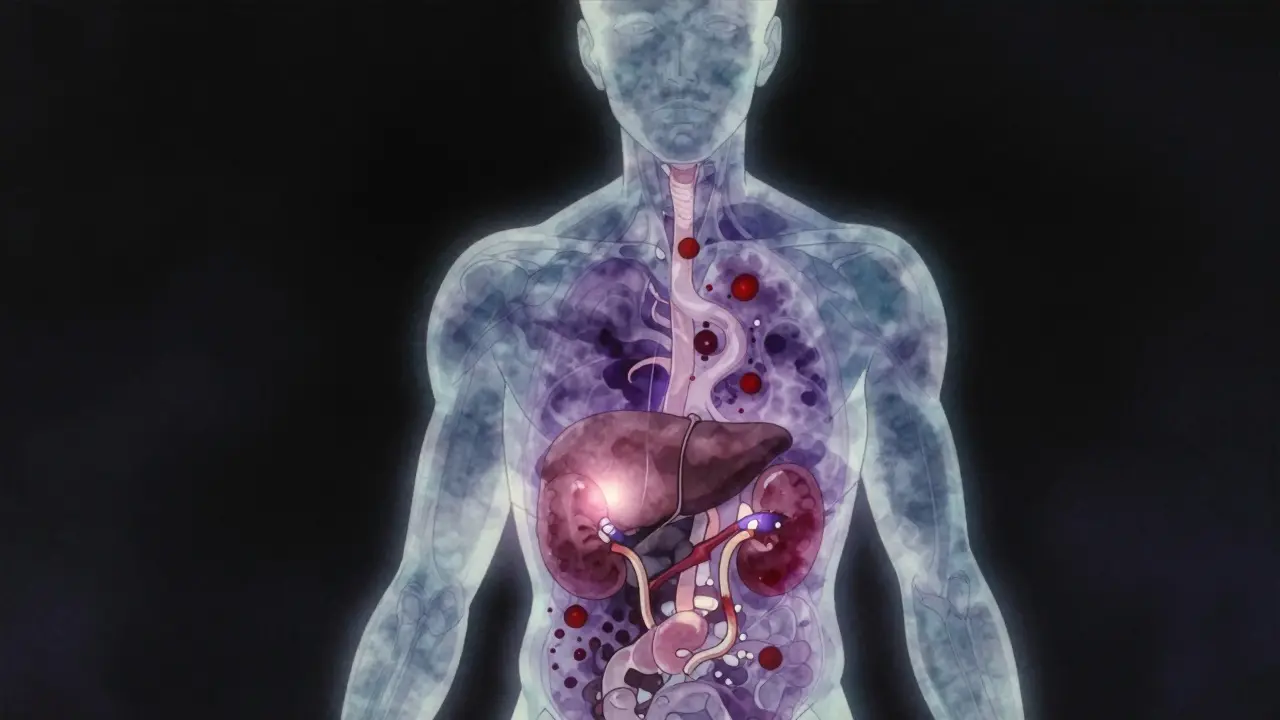
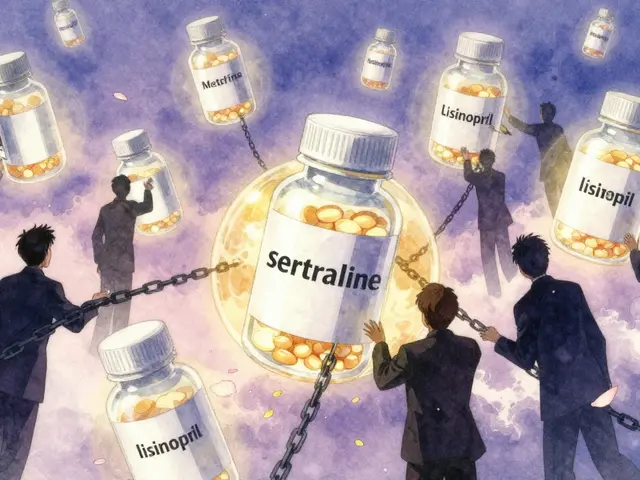
When you take medication, your body doesn't always react the way doctors expect. Sometimes, drugs target specific organs like the liver, kidneys, heart, or nervous system - causing damage while leaving other tissues unaffected. This isn't just theoretical. In 2023 alone, the FDA tracked over 1,800 reports of heart-related reactions from cancer immunotherapy drugs, with mortality rates reaching 50% in affected cases.
These aren't rare flukes. Organ-specific toxicities account for 85-90% of predictable adverse drug reactions worldwide. Imagine taking a cholesterol pill that suddenly crashes your liver's filtration ability, or an antibiotic that silently weakens your kidneys over months. The scary part? Early symptoms often look like ordinary fatigue or digestive issues.
Why Some Medications Target Specific Organs
Your organs process chemicals differently. The liver gets hit first because it filters blood from your gut. Its cytochrome P450 enzymes activate some drugs into harmful compounds. Take acetaminophen: at recommended doses it's safe, but exceeding 4g daily can produce NAPQI toxin. By the time you feel sick, 500 people die yearly from such overdoses.
Kidneys suffer when drugs accumulate in filtration tubules. Aminoglycoside antibiotics like gentamicin get trapped via megalin receptors. Statins? They stress mitochondria inside muscle cells through SLCO1B1 gene pathways - same mechanism affecting heart health.
Organ-Specific Toxicity refers to selective organ damage from pharmaceuticals, targeted drug reactions. Recent studies show 60% of hepatotoxicity cases involve metabolic enzyme pathways.| Drug Class | Affected Organ | Typical Symptoms | Risk Window |
|---|---|---|---|
| Acetaminophen | Liver | Fatigue, dark urine | 4-8 weeks |
| NSAIDs (ibuprofen) | Kidneys | Swell feet, low urine output | 3+ months use |
| Cholesterol meds | Muscles | Persistent soreness | First month |
| Cancer chemo | Nerves | Tingling hands/toes | During infusion |
Liver Vulnerabilities: More Than Just Fatigue
You've heard "statins raise liver enzymes" - but does yours ever get checked monthly? Most won't complain until ALT levels hit 5x normal limits. The problem: fatty liver builds quietly. Even healthy users develop steatosis after 2 years of daily NSAID use. Contrast this with rapid-onset hepatitis from antituberculosis drugs, where 1-2% get dangerously high ALT within weeks.
New biomarkers now detect liver damage days earlier. In May 2023, FDA approved panels measuring microRNA-122 fragments. Traditional blood tests catch problems only AFTER significant harm occurs. Think about it: if your car's engine overheated weekly, would you wait for smoke before checking the radiator?
Kidney Danger Zones: Beyond Creatinine Tests
That ibuprofen bottle isn't harmless long-term. People over 65 face 15% risk of acute kidney injury from regular NSAID use. The mechanism's sneaky: inflammatory blockers disrupt prostaglandin balance, cutting renal blood flow by up to 40%. Vancomycin adds another layer - trough levels above 20 mg/L multiply AKI chances 3x.
KDIGO guidelines demand holding nephrotoxic drugs when eGFR drops below 30 mL/min/1.73m². Yet many continue dosing normally. Real-world surveys show 44% never noticed kidney issues until lab work caught elevated creatinine during unrelated checkups.
Acute Kidney Injury represents rapid loss of kidney filtering capacity, acute renal failure. Current monitoring relies on TIMP-2 and IGFBP7 biomarkers per 2024 EMA protocols.Heart Hazards You Might Overlook
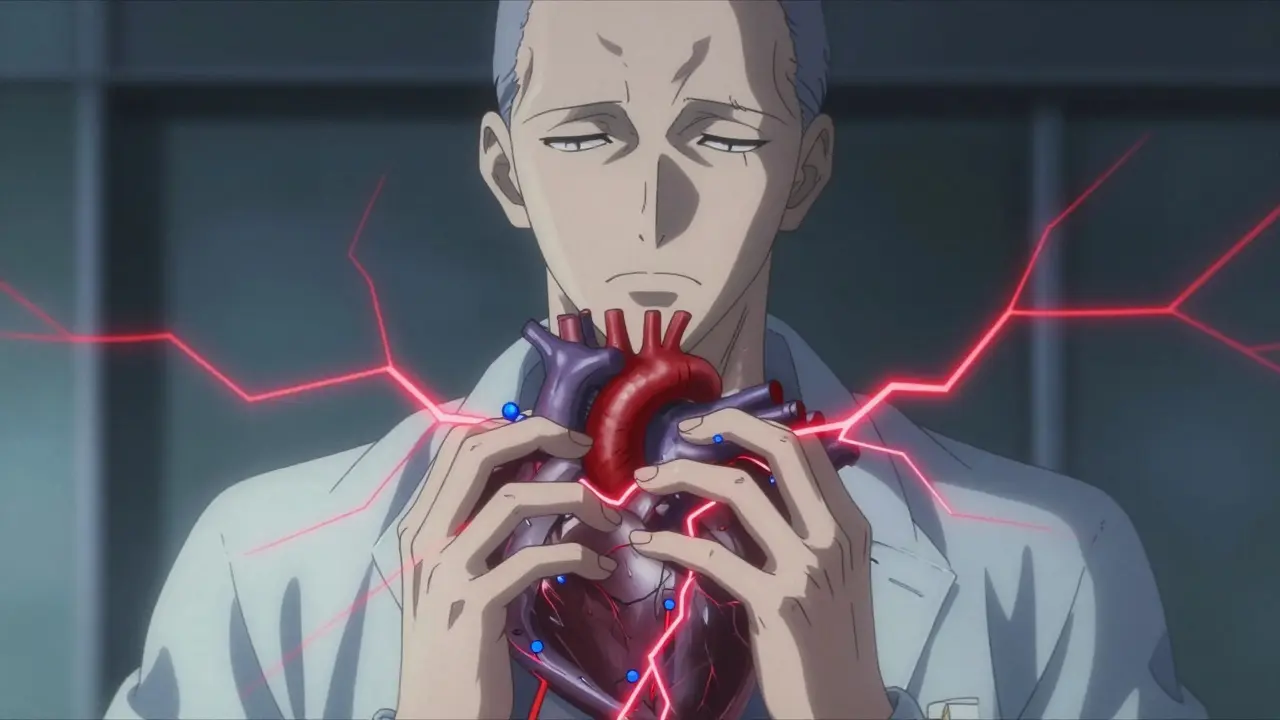
Antipsychotics can literally stop your heart. Ziprasidone extends electrical recovery time (QT interval) by 16ms - enough to trigger fatal arrhythmias. Cancer drugs like doxorubicin have cumulative dose limits; exceeding 500mg/m² carries 26% heart failure risk.
Here's the twist: immune checkpoint inhibitors cause myocarditis in only 1% of users, BUT 40-50% of those cases prove fatal. Unlike classic chemotherapy damage, these immune-driven attacks happen unpredictably even after treatment ends.
Nerve Damage Signals
Oxaliplatin makes cold air burn your nerves during chemo sessions. Cisplatin causes permanent tingling in hands/feet for 30-70% of patients. These platinum-based drugs don't just numb sensation - they rewire neural communication pathways permanently.
Beyond chemotherapy, proton pump inhibitors linked to dementia risk after 4+ years use. While absolute numbers seem small (21% relative increase), aging populations mean more lives affected. Antiepileptic phenytoin shrinks cerebellar tissue over decades - visible on brain scans of long-term users.
Monitoring Strategies That Actually Work
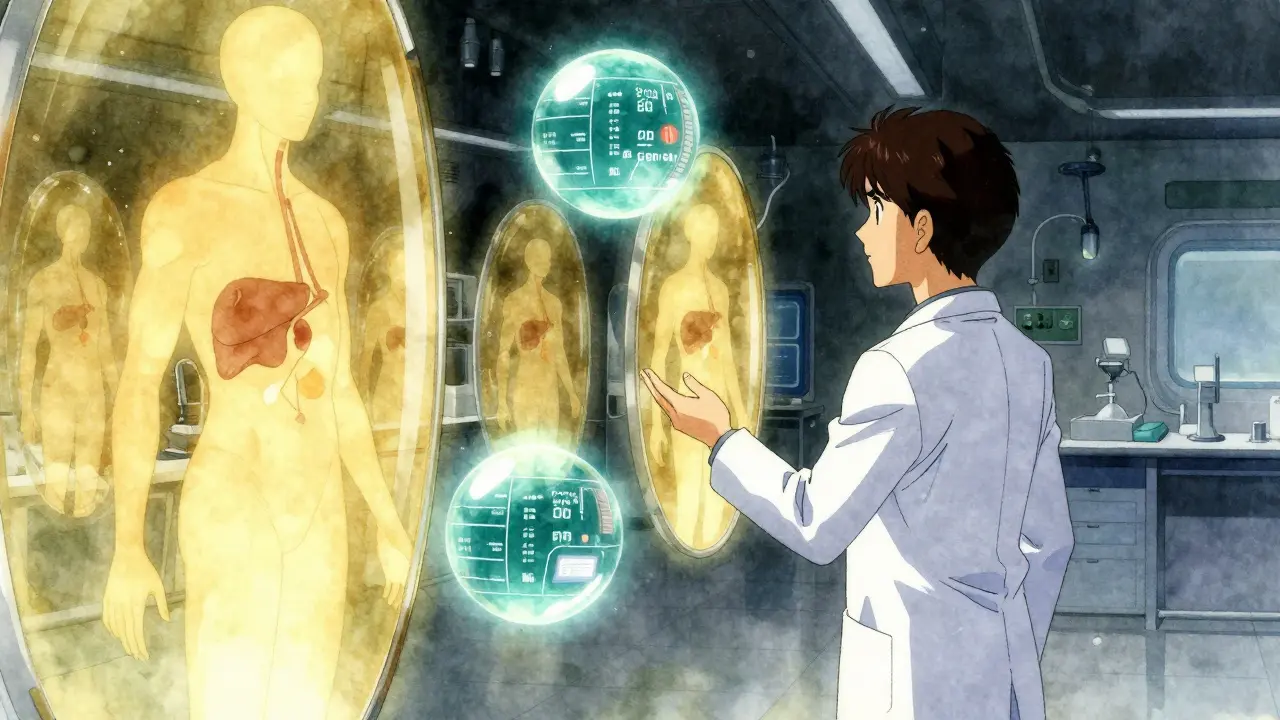
Your best defense combines regular labs + symptom awareness. Track these patterns:
- Liver: Monthly ALT/bilirubin checks when on statins/TB meds. Report yellow skin immediately.
- Kidneys: Check eGFR every 3 months post-age 65. Watch foot swelling changes.
- Heart: Annual ECG if on QT-prolonging drugs. Note unexplained shortness of breath.
- Nerves: Quarterly vibration sense tests. Document temperature sensitivity shifts.
Pro Tip: Ask doctors about organ-specific biomarker panels. Newer tools like miR-122 detect liver issues 3-5 days earlier than traditional methods. Many insurance plans now cover advanced monitoring.
Real Patient Experiences
On Reddit's r/pharmacy, 217 threads discuss statin muscle pain. 63% found relief stopping medication entirely within 3 weeks. HealthTap reviews revealed 78% notice liver side effects through extreme tiredness, not jaundice. One woman kept working despite nausea until her bilirubin hit crisis levels.
The gap between medical knowledge and patient reporting remains wide. Only 1 in 5 recognize concerning symptoms early. National surveys found most blame age or stress rather than suspecting drug interactions.
Emerging Prevention Tools
Pharmaceutical companies use "organ-on-chip" systems predicting human toxicity with 92% accuracy. These replace animal testing, catching liver/kidney failures pre-clinically. Meanwhile, AI platforms scan millions of electronic health records spotting reaction patterns instantly.
The WHO projects AI monitoring in half hospitals by 2030 could cut toxicity deaths by 25%. Already, FDA Sentinel Program flagged dangerous kidney signals within 6 months of widespread adoption - saving countless lives through rapid detection networks.


Eleanor Black
April 1, 2026 AT 05:14It is truly concerning how many people ignore these warning signs until it is too late. 😔
We must understand that our liver is working tirelessly while we sleep.
I remember a family member who took too much ibuprofen and did not understand the risk immediately.
The statistics presented regarding the mortality rates are quite staggering indeed.
We really need to prioritize regular screenings for those on long-term meds.
It would be beneficial to keep a journal of how you feel after starting new prescriptions.
Doctors often focus too much on the disease rather than the treatment toxicity.
Please take this information seriously if you are currently on statins or chemotherapy.
Your health depends on vigilance regarding your kidney function levels.
I hope this discussion helps someone avoid a tragic outcome later on. 😢
It is so important to advocate for yourself during medical appointments.
Early detection saves lives in situations where symptoms mimic normal fatigue.
Many individuals underestimate the cumulative effect of over-the-counter medications.
The gap between knowledge and action remains a significant barrier in healthcare today.
We must encourage open dialogue about side effects without fear of judgment. 🌱
James DeZego
April 2, 2026 AT 12:56The part about biomarkers catching issues early is really cool tech! 🩺
MicroRNA testing sounds like the future of preventive medicine.
It makes sense that standard blood work misses things until damage is already done.
Knowing about the NAPQI toxin from acetaminophen helps explain why dose limits exist. 🛡️
Many people do not realize that over-the-counter drugs carry significant risks.
It is good to see this topic getting attention in public forums.
Monitoring foot swelling could save a lot of elderly patients from renal failure.
Sharing this data helps demystify complex medical pathways for everyone. 🧬
Owen Barnes
April 3, 2026 AT 12:31Thiss is reallly important stuff fo everyone.
My aunt had isses with her kidneys and she never checked her eGFR.
Doctors dont alwys tell us about these side effects either.
Just something to rememeber when taking pills for stress or pain.
We shoulld all look out for eachother here. 💪
Callie Bartley
April 4, 2026 AT 07:37Everyone knows big pharma just wants to sell more drugs anyway.
The cost of ignoring insurance limitations is high for everyone.
Insurance does not cover the monitoring tests they suggest here.
The costs for advanced panels are completely out of reach for most workers.
It feels like another way to scare people into paying more visits. 😒
Most of us can't afford the genetic testing options listed above.
Jenny Gardner
April 4, 2026 AT 21:22Indeed! The distinction between acute and chronic injury is vital!
Moreover, the timeline of onset varies significantly per drug class!
One must remain vigilant against complacency.!!
The data supports the necessity of proactive management.!!
Very well articulated piece!
Rocky Pabillore
April 5, 2026 AT 06:04While the basics are covered, the metabolic nuance is lacking.
A true understanding requires delving deeper into cytochrome pathways.
Common misconceptions abound among laypeople regarding dosage thresholds.
It is disappointing to see such oversimplification of toxicology principles.
Real experts know that individual variance dictates outcomes far more than averages.
You should study the actual clinical trials before making assumptions.
Cara Duncan
April 7, 2026 AT 00:22I totally agree with the need for better communication between patients and docs. ❤️
Heartbroken to hear about families affected by these risks.
Sometimes we get scared by terms like hepatotoxicity.
But learning helps us feel safer about our treatments! ✨
Let's support each other through these health journeys.
Love and positivity help us heal faster too. 🌟
Julian Soro
April 7, 2026 AT 04:42Great breakdown on the heart risks specifically!
The QT interval extension is scary but manageable.
We can actually prevent these events with smart screening! 💥
Staying informed is power folks!
Keep sharing these life-saving facts everywhere! 🚀
Cullen Zelenka
April 8, 2026 AT 11:41Hopefully these new AI tools catch problems before they get bad.