
Have you ever wondered why the same medicine costs $10 in one country and $500 in another? It isn't just shipping fees. The reason lies deep within international trade laws that decide who gets to sell a cure and when. Today, we are talking about TRIPS is an international legal framework established under the World Trade Organization that sets minimum standards for intellectual property protection among member states. Also known as The Trade-Related Aspects of Intellectual Property Rights Agreement, this pact fundamentally changed how we access essential treatments. These rules were signed in the 1990s but still dictate the price of your prescription today.
The Basics of International Patent Rules
To understand the problem, you first need to know the player. In 1995, the World Trade Organization launched the TRIPS Agreementa comprehensive treaty that mandates minimum 20-year patent protection for inventions including pharmaceutical products. Before this time, many developing nations allowed different rules. For instance, countries could let local manufacturers copy a drug if they used a slightly different method to make it. Under TRIPS, this became illegal everywhere. Now, companies get exclusive rights for two decades from the moment they file their patent.
This shift happened because industrialized nations like the United States and members of the European Union pushed for these standards. They argued that inventors need financial rewards to keep creating new drugs. Without these protections, big pharma would lack the incentive to invest billions in research. While that sounds logical on paper, the real-world effect was immediate and drastic. Price hikes followed quickly after implementation.
How This Affects Generic Medicine Production
When a patent expires, other companies can produce cheaper versions called Generic Medicinespharmaceutical equivalents of brand-name drugs that are approved for sale once the original patent expires. These generics are vital for public health because they drive competition and lower costs. However, the TRIPS framework made it harder to launch these generics early. Before the agreement, only 23 out of 102 developing countries recognized product patents for drugs. Afterward, 78 countries had to change their laws to comply.
This created significant hurdles for patients waiting for affordable options. In many cases, regulatory authorities cannot approve a generic version until the originator's clinical trial data expires. This adds another 5 to 10 years of delay beyond the actual patent term. Imagine waiting over three decades for a life-saving drug to become affordable. In some therapeutic areas, effective monopolies extended by up to 25 years beyond the basic protection period.
| Feature | Pre-TRIPS (Before 1995) | Post-TRIPS (Current Standard) |
|---|---|---|
| Patent Scope | Often process patents only | Product patents mandatory |
| Protection Duration | Varied by country | Minimum 20 years |
| Generic Availability | Faster market entry | Delayed by data exclusivity |
| Price Control | High government flexibility | Limited by IP laws |
Flexibilities and Public Health Solutions
It wasn't all negative consequences. Governments realized they needed emergency tools when populations faced health crises. That is where Compulsory Licensinga legal provision allowing governments to authorize third parties to produce patented products without the patent holder's consent under specific conditions comes in. Article 31 of the TRIPS Agreement lets countries issue licenses during national emergencies. For example, if a deadly virus hits, the state can step in and allow local factories to make the needed medicine even if the patent isn't expired yet.
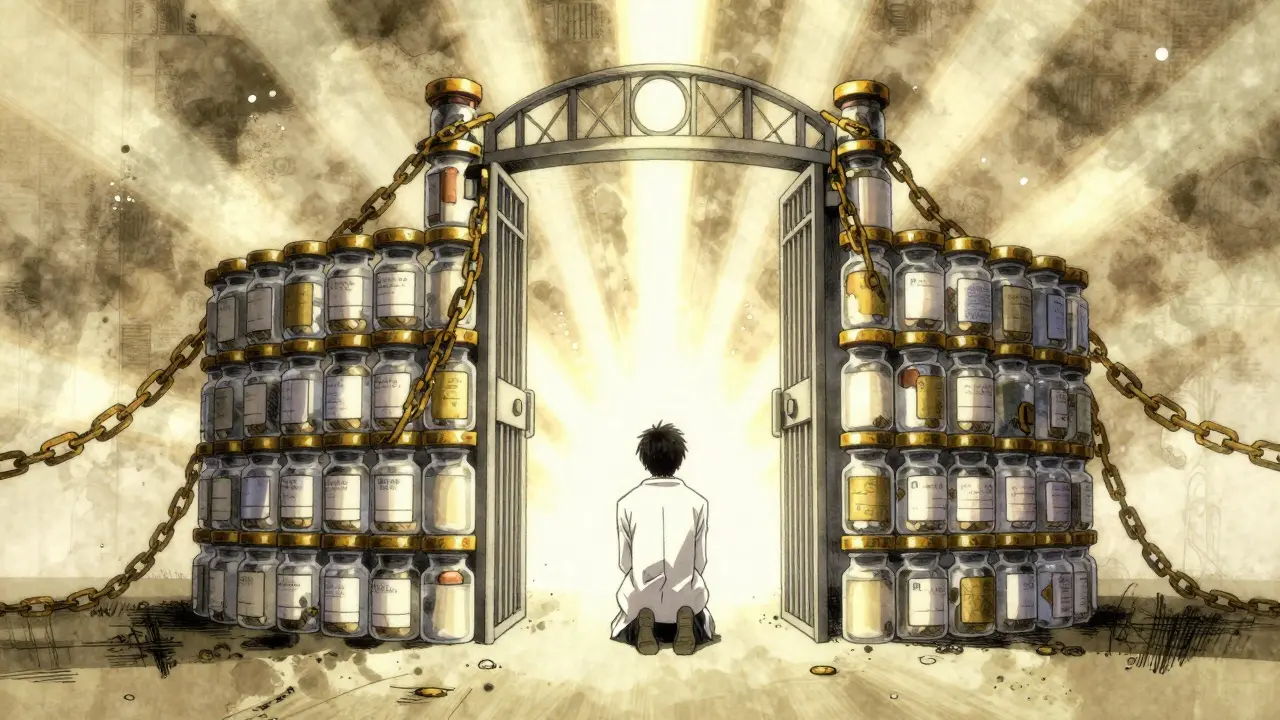
The famous Doha Declaration from 2001 reinforced this right. It clarified that the agreement shouldn't prevent countries from protecting public health. However, there is a catch. Paragraph (f) of Article 31 originally stated these licensed drugs must mostly stay in the country that issued the license. This meant a nation with no manufacturing plants couldn't import cheap generics from abroad easily. They were stuck paying high prices because they lacked the technology to produce the drugs locally.
Real World Experiences and Conflicts
Countries have fought hard to use these flexibilities. Look at South Africa. In 1998, they passed a law to facilitate generic competition. Suddenly, 40 pharmaceutical companies sued the government. It took massive global pressure to withdraw those lawsuits in 2001. Then look at Brazil in 2000. The US threatened trade sanctions over Brazil producing generic HIV drugs. The complaint was eventually dropped, but the fear lingered.
India provides another stark example. When India transitioned to product patents in 2005, the price of patented cancer drugs jumped by 300% to 500%. Patients suddenly found themselves unable to afford treatment that was previously available. Despite these challenges, some successes exist. The Medicines Patent Poola non-profit entity established to facilitate access to essential medicines through voluntary licensing has helped negotiate licenses for HIV and Hepatitis C medicines since 2010. By 2022, this pool reached over 17 million patients in low-income regions.
Modern Challenges: TRIPS Plus Provisions
While the original treaty set a baseline, things got stricter later. Many countries signed bilateral trade deals known as "TRIPS Plus" agreements. These impose rules stronger than what WTO requires. For instance, as of 2020, 85% of US free trade agreements included patent term extensions beyond the standard 20 years. They also add restrictions on compulsory licensing that weren't in the original deal.
Data exclusivity is another barrier hiding in plain sight. Even if a patent is challenged, regulatory bodies often must wait for extra years before approving a competitor based on clinical data. This creates a "shadow patent" system. In reality, the monopoly lasts much longer than the law says. For a company in New Zealand or elsewhere trying to import cheaper medicines, this means navigating a complex web of conflicting regional and bilateral treaties.

The Pandemic and Recent Waiver Efforts
The pandemic sparked a major debate again. In 2020, India and South Africa proposed a temporary waiver for vaccines and treatments. Over 100 WTO members supported the idea initially. Developed nations opposed it, fearing it would hurt innovation investment. Eventually, a partial agreement was reached in 2022, though critics called it insufficient for the speed needed during a crisis. This event highlighted that trade rules remain a central battleground for global equity.
The situation remains fluid. In 2023, further discussions continued regarding waivers. Yet, operational complexity limits the actual flow of goods. The "Paragraph 6 Solution," designed to help countries import under compulsory license, saw very little usage. Between 2007 and 2016, only one shipment of malaria medicine moved through that specific channel according to records. Bureaucracy often kills the solution faster than the disease does.
Looking Ahead at Patent Systems
We are now facing a crossroads. One side argues that strong intellectual property drives future medical breakthroughs. Statistics show 70% of new molecules came from strong IP environments between 2010 and 2020. The industry claims weakening this system cuts R&D funding. On the flip side, health advocates argue that current balances favor profits over lives. Evidence shows that 15-20% of generic medicine availability drops in countries implementing TRIPS without proper safeguards.
As we move through 2025 and beyond, the focus is shifting toward balancing these interests. We need policies that encourage innovation while ensuring access isn't blocked by geography. Countries must keep using legal flexibilities when necessary. It requires political courage to challenge powerful industry lobbying groups. But history shows us that when governments prioritize health, outcomes improve for everyone.
Frequently Asked Questions
What exactly does TRIPS stand for?
TRIPS stands for Trade-Related Aspects of Intellectual Property Rights. It is an international agreement administered by the World Trade Organization that sets minimum standards for IP protection.
Can governments ignore patent laws during a crisis?
Yes, through a mechanism called compulsory licensing. Article 31 allows states to authorize production without consent during national emergencies or for public health needs.
Why do some countries pay more for medicines?
Prices vary due to patent enforcement strength and currency value. Stronger patent laws limit generic competition, keeping brand-name prices high until patents expire.
Are generic medicines as safe as brand names?
Absolutely. Regulatory agencies require generics to demonstrate bioequivalence, meaning they contain the same active ingredients and work the same way in the body.
Did the pandemic change any patent rules?
A temporary waiver was discussed and partially agreed upon in 2022. However, implementation remains limited compared to initial hopes for full suspension of IP rights for COVID tech.



Katie Riston
March 31, 2026 AT 01:34The discussion around intellectual property ignores the fundamental ethical dilemma of survival.
People forget that innovation relies on prior public funding often.
We balance financial incentives against basic human survival rights daily.
It feels like a massive gamble where human lives are treated as mere stakes.
The current system rewards capital accumulation way above bodily autonomy.
Corporations consistently view biology as property rather than natural heritage.
This specific mindset shifts societal values toward pure consumption habits.
We accept higher prices simply because we fear artificial scarcity.
Scarcity is often manufactured by law to maintain market leverage.
Patents actually extend monopolies far beyond their original utility periods.
Patients suffer financially while shareholders continue to accumulate dividends.
Ethics should ultimately dictate market rules instead of profit margins alone.
History will remember those who prioritize humanity over corporate wealth.
Current laws successfully obscure the true cost of treatment access today.
We desperately need transparency regarding those data exclusivity periods.
Reform requires political will that unfortunately rarely materializes.
The cycle continues until enough voices decide to speak up collectively.
Jonathan Sanders
March 31, 2026 AT 01:37They really want us to keep paying for expired science forever.
sanatan kaushik
April 1, 2026 AT 10:50India knows this game well.
Our cancer patients suffered terribly after 2005 changes hit.
Prices jumped so high families had no choice left.
We fought back then but the threat remained constant.
Foreign companies bully small nations to protect profits.
Now generic access is blocked by bureaucratic delays everywhere.
It takes too much time to clear these regulatory hurdles.
Local production helps but legal threats stop many factories.
Governments must stand firm on public health priorities.
We need action not just talks at meetings.
Ruth Wambui
April 2, 2026 AT 19:20Big Pharma pulls the strings behind the WTO curtain.
You see how data exclusivity keeps generic competition away.
They hide behind legal jargon while profits soar high.
It feels like a shadow government decides our medical fate.
These trade deals lock in power for multinational corporations.
Nothing changes until the public realizes the control mechanism.
The waiver discussions were just theater to calm down crowds.
Real power stays firmly in the hands of patent holders.
emma ruth rodriguez
April 4, 2026 AT 01:10While previous observations hold merit; it remains crucial to understand the legal framework.
Article thirty-one allows compulsory licensing under specific emergency conditions.
; Yet, paragraph f creates import restrictions for non-manufacturing states.
Data exclusivity periods often extend protection beyond standard patent terms.
Regulatory bodies require safety data before approving competitive products.
This creates a de facto monopoly extension regardless of patent status.
Flexibilities exist but bureaucratic hurdles limit practical application significantly.
International pressure influences how nations interpret their sovereign rights.
The Doha Declaration clarifies objectives but operational details remain vague.
Beccy Smart
April 5, 2026 AT 12:36It is absolutely heartbreaking to see profits chosen over people. 😞
Companies act so selfish without caring about anyone else.
They think money matters more than saving a dying family member. 🙄
We should demand immediate changes right now.
The greed shown here is disgusting honestly. 🧐
Nobody cares about access in poor regions anymore. 💸
Health systems fail because of these bad policies.
We need better leaders to fix this mess. 😠
Debbie Fradin
April 7, 2026 AT 11:45Moral outrage never solved anything in these complex negotiations.
It is easier to cry about greed than read the treaties though.
Progress comes from shifting leverage points within existing frameworks.
Complaining about ethics helps nothing when supply chains matter most.
We can feel passionate but structural change takes strategy.
Blaming corporations is fun but ineffective without enforcement.
Real solutions lie in negotiating better bilateral terms.
Optimism helps if backed by actual legal leverage.
Christopher Curcio
April 8, 2026 AT 04:34Bioequivalence studies validate generic performance relative to originators.
Clinical trial data exclusivity complicates the regulatory approval timeline significantly.
Many stakeholders misunderstand how data protection interacts with patent law.
Compulsory licensing mechanisms provide necessary flexibility during health emergencies.
However administrative burden limits implementation frequency globally.
Medicines Patent Pool initiatives demonstrate collaborative success models.
Voluntary licensing reduces litigation risks associated with enforcement actions.
Systemic reform requires harmonization across regional regulatory bodies.
Access gaps widen without coordinated policy interventions.
Rick Jackson
April 9, 2026 AT 20:05We must find middle ground here.
Innovation drives progress but access saves lives.
Balance works best for everyone eventually.
Small steps help move the needle forward.