
Every year, millions of people receive the wrong medication, the wrong dose, or a drug that interacts dangerously with something they’re already taking. These aren’t rare accidents-they’re predictable mistakes happening in pharmacies every day. In fact, dispensing errors occur in about 1.6% of all prescriptions filled worldwide, according to a 2023 global review of over 60 studies. That might sound small, but it translates to hundreds of thousands of harmful events annually. The good news? Most of these errors aren’t caused by careless pharmacists. They’re caused by flawed systems-and those systems can be fixed.
What Are the Most Common Pharmacy Dispensing Errors?
Pharmacy dispensing errors fall into clear, repeatable patterns. The biggest culprits aren’t always what you’d expect. A 2023 report from the Academy of Managed Care Pharmacy found that the top three errors are:- Wrong medication, strength, or form (32% of all errors): This includes giving amoxicillin instead of azithromycin, 500mg instead of 250mg, or tablets instead of liquid.
- Dose miscalculations (28%): Especially dangerous with kids, elderly patients, or drugs like insulin and heparin. A simple math mistake can turn a safe dose into a lethal one.
- Missing drug interactions or contraindications (24%): Failing to spot that a patient on warfarin was given a new antibiotic that boosts bleeding risk.
Why Do These Errors Keep Happening?
It’s easy to blame the pharmacist. But the real problem isn’t people-it’s pressure, noise, and bad design.- Workload pressure causes 37% of errors. Pharmacies are stretched thin. One pharmacist might be filling 150 prescriptions in a single shift while also answering calls, counseling patients, and managing inventory.
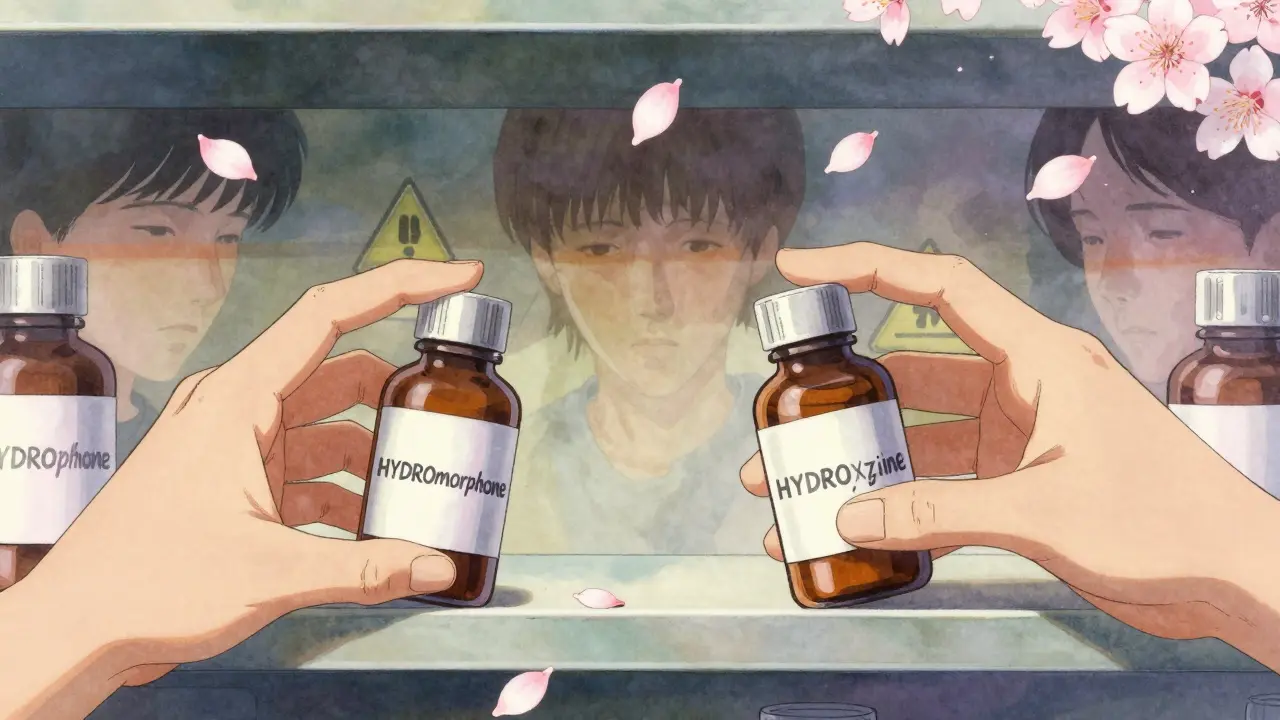
- Similar-looking or sounding drug names cause 28% of mistakes. Think of Hydralazine vs. Hydroxyzine, or Epinephrine vs. Epinephrine (yes, the spelling is the same, but one is for anaphylaxis, the other for allergies). Sound-alike names are responsible for 22% of errors when prescriptions are called in.
- Interruptions during the dispensing process increase error risk by over 12%. A phone ringing, a nurse asking for a refill, or a patient asking a question can break focus at the exact moment you’re grabbing a bottle.
- Illegible handwriting still causes 15-43% of errors, even in 2025. Many doctors still write scripts by hand, and if the dose isn’t clear, the pharmacist has to guess.
- Lack of complete patient info is a silent killer. If the pharmacy doesn’t know the patient is on kidney dialysis, has liver disease, or is allergic to sulfa drugs, the system can’t protect them.
How to Stop These Errors Before They Happen
Preventing dispensing errors isn’t about working harder. It’s about working smarter-with systems that catch mistakes before they reach the patient.- Double-check high-alert medications: Insulin, heparin, opioids, and chemotherapy drugs should always be verified by a second pharmacist. One hospital reported a 78% drop in errors after implementing this rule.
- Use barcode scanning: Scanning the prescription and the medication before dispensing cuts errors by nearly half. It caught 12 serious mistakes in one community pharmacy’s first month of use.
- Adopt Tall Man lettering: Writing HYDROmorphone and HYDROxyzine with capitalized letters helps pharmacists spot the difference at a glance. Pharmacies using this method saw a 57% drop in sound-alike errors.
- Use clinical decision support tools: Modern pharmacy software flags interactions, allergies, and incorrect doses in real time. One study showed these tools reduced errors by 53%.
- Standardize storage: Keep look-alike or sound-alike drugs as far apart as possible. Don’t put metoprolol next to methylphenidate. Don’t store insulin next to saline. Visual organization matters.
- Limit interruptions: Designate a quiet zone for dispensing. Use “Do Not Disturb” signs during high-risk tasks. One study found that reducing interruptions to fewer than three per prescription cut error rates by over 12%.
Technology Can Help-But It’s Not a Magic Fix
Robotic dispensers, AI-powered alerts, and electronic prescribing have made huge strides. In hospitals using robotic systems, dispensing errors dropped by 63%. AI tools that predict potential errors before they occur reduced mistakes by over 50% in pilot programs. But technology has downsides. Computerized systems can flood pharmacists with too many alerts-what’s called “alert fatigue.” One pharmacist shared on Reddit that their new system showed 120 pop-ups per shift. They started ignoring them. And that’s when they missed three critical drug interactions. The best systems combine tech with human judgment. A barcode scanner catches the wrong bottle. A pharmacist catches the wrong dose because they know the patient’s history. Neither works as well alone.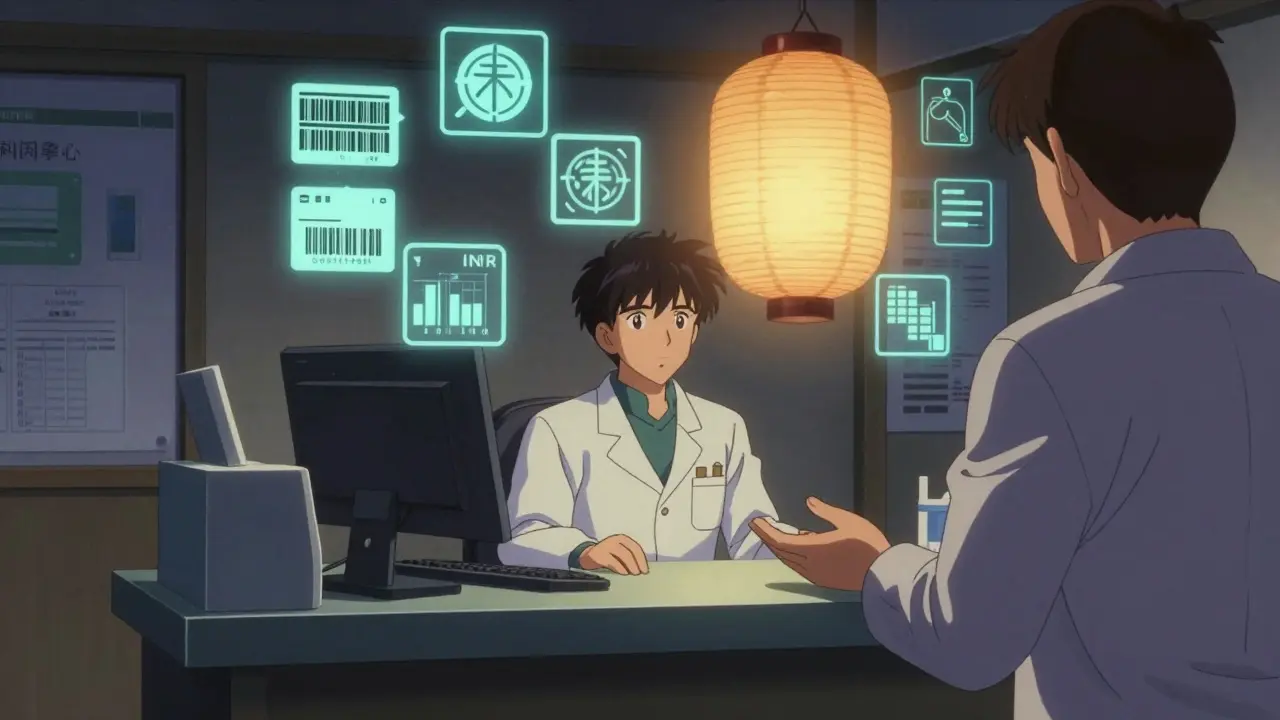
What Patients Can Do to Protect Themselves
You’re not powerless. Even the best pharmacy system can slip. Here’s how you can help:- Always ask: “Is this the same medicine I got last time?” Compare the pill color, shape, and name.
- Check the label: Does the dose match what your doctor told you? Is the frequency right? If it says “take once daily” but your doctor said “twice daily,” speak up.
- Know your allergies: Tell the pharmacist every drug you’re allergic to-even if you think it’s not related.
- Ask about interactions: “Does this interact with my blood pressure pill or my supplements?”
- Use one pharmacy: Keeping all your prescriptions at one place means they can see your full history and catch conflicts.
The Bigger Picture: System Change Over Blame
The most powerful insight from years of research? Dispensing errors aren’t about bad pharmacists. They’re about bad systems. Dr. Michael Cohen of the Institute for Safe Medication Practices says, “We don’t punish pilots when a plane crashes because of faulty wiring-we fix the wiring.” Pharmacies that focus on blaming individuals see only a 19% reduction in errors. Those that redesign workflows, use tech wisely, and build in layers of safety see reductions of 60% or more. The future is clear: standardized reporting, integrated electronic records, and global error classification systems will help. But until those are fully in place, the real change happens at the counter-when a pharmacist takes a second to double-check, when a patient asks a question, when a pharmacy puts safety above speed.What is the most common pharmacy dispensing error?
The most common dispensing error is giving the wrong medication, strength, or dosage form-accounting for about 32% of all errors. This includes handing out the wrong drug (like amoxicillin instead of azithromycin), the wrong dose (500mg instead of 250mg), or the wrong form (tablet instead of liquid). These mistakes often happen because of similar-looking drug names, poor handwriting, or rushed workflows.
How do similar-sounding drug names cause errors?
Similar-sounding names like Hydralazine and Hydroxyzine, or Epinephrine and Ephedrine, can lead to mix-ups when prescriptions are spoken aloud or written quickly. Pharmacists may hear or read the wrong name and grab the wrong bottle. This causes about 22% of errors from verbal prescriptions and 19% from handwritten ones. The solution? Tall Man lettering-writing key parts in uppercase (like HYDROmorphone vs. HYDROxyzine)-makes the differences obvious at a glance.
Can barcode scanning really reduce errors?
Yes. Barcode scanning at the point of dispensing has been shown to reduce overall dispensing errors by 47%. It’s especially effective for catching wrong drugs (52% reduction), wrong doses (49% reduction), and wrong dosage forms (45% reduction). The system works by matching the barcode on the prescription to the barcode on the medication bottle. If they don’t match, the system alerts the pharmacist before the drug leaves the counter.
Why are anticoagulants like warfarin so often involved in errors?
Anticoagulants like warfarin have a narrow therapeutic window-meaning the difference between a helpful dose and a dangerous one is very small. They also interact with many foods, supplements, and other drugs. About 31% of serious medication errors involve anticoagulants. Common mistakes include failing to check for drug interactions, not adjusting the dose based on lab results (like INR levels), or not verifying the patient’s allergy history before prescribing a new antibiotic.
What should I do if I think I got the wrong prescription?
Don’t take it. Call the pharmacy immediately and ask them to confirm the medication, dose, and instructions with your doctor. Compare the pill to your previous prescription-color, shape, markings. If something feels off, trust your gut. Most pharmacies will recheck and replace it without issue. Reporting the error helps them fix the system so it doesn’t happen to someone else.
Are electronic prescriptions safer than handwritten ones?
Yes, significantly. Handwritten prescriptions cause 15-43% of dispensing errors due to illegibility. Electronic prescriptions eliminate that risk and often include built-in alerts for allergies, drug interactions, and incorrect dosages. However, they’re not perfect-some systems generate too many alerts, leading to “alert fatigue,” where pharmacists start ignoring warnings. The best systems combine electronic prescribing with human review for high-risk drugs.





William Liu
December 19, 2025 AT 14:08This is exactly why I always double-check my prescriptions. I don’t care how busy the pharmacy is-if it doesn’t look right, I ask. No shame in safety.
Dev Sawner
December 21, 2025 AT 12:32It is an empirical fact that systemic negligence in pharmaceutical logistics, compounded by insufficient regulatory oversight, has led to an unacceptable prevalence of iatrogenic harm. The figures cited are not anomalies-they are symptomatic of a broken infrastructure that prioritizes throughput over patient welfare.
Moses Odumbe
December 21, 2025 AT 12:41Barcodes are the future. Full stop. I work in a pharmacy and we went barcode-only last year. Errors dropped like a rock. Also, stop writing scripts by hand. 🤦♂️
Meenakshi Jaiswal
December 21, 2025 AT 14:16If you're on multiple meds, keep a printed list-drug names, doses, why you take them-and bring it every time. Pharmacists appreciate it. And if you’re unsure, ask. You’re not being annoying-you’re protecting your life.
bhushan telavane
December 23, 2025 AT 03:43In India, we still see handwritten scripts everywhere. And sometimes the pharmacist just guesses. I’ve seen people get the wrong antibiotic because the doctor wrote ‘amox’ and they thought ‘amoxil’ instead of ‘amoxicillin’. It’s scary.
Mahammad Muradov
December 24, 2025 AT 10:34People blame the system, but the real issue is that pharmacists are overworked and underpaid. If you want fewer errors, pay them more. Stop outsourcing pharmacy jobs to corporations that treat them like disposable cogs.
Connie Zehner
December 25, 2025 AT 17:38I once got Adderall instead of Atenolol. I didn’t notice until I was shaking for 3 hours. My pharmacist said ‘oops’ and gave me a coupon for free gummy vitamins. I’m still traumatized. 😭
holly Sinclair
December 27, 2025 AT 02:13Consider the epistemological paradox here: we rely on human beings to interpret symbols (prescriptions) under conditions of cognitive overload, then we blame them when they misinterpret. But the symbols themselves are poorly designed-similar names, inconsistent formatting, ambiguous dosing. Is the error in the mind, or in the system that demands perfection from imperfect tools?
Monte Pareek
December 28, 2025 AT 22:00Let’s be real. Technology helps but it’s not magic. I’ve seen barcode scanners fail because the label got smudged. I’ve seen AI alerts so loud they got ignored. The only thing that saves lives is a pharmacist who slows down, reads the chart, remembers the patient’s grandma had kidney issues last year, and says ‘hold on’. That’s the real safety net. Stop treating pharmacies like fast food joints.
Kelly Mulder
December 30, 2025 AT 03:18It’s not ‘bad systems’-it’s bad people. If you can’t spell ‘Hydroxyzine’ correctly, you shouldn’t be writing prescriptions. If you can’t count to five, you shouldn’t be measuring insulin. This isn’t a design flaw-it’s a competency crisis.
Lynsey Tyson
December 30, 2025 AT 17:18I just want to say thank you to the pharmacists who take the time to explain things. I’m 72 and I get overwhelmed. One pharmacist sat with me for 15 minutes last week and drew me a chart. That’s the kind of care we need more of.
Edington Renwick
December 31, 2025 AT 05:47My cousin died because of a wrong dose. They gave her 10x the insulin. The pharmacy said ‘it was a misread’. They fired the pharmacist. No one else was held accountable. This isn’t about systems. It’s about accountability. And we don’t have any.
anthony funes gomez
December 31, 2025 AT 20:26From a clinical informatics standpoint, the root cause analysis of dispensing errors reveals a multivariate convergence of cognitive load, interface design failure, and linguistic ambiguity in nomenclature-particularly in polypharmacy cohorts. The implementation of standardized terminologies (e.g., SNOMED CT) coupled with context-aware decision support, rather than rule-based alerting, is the only statistically validated pathway to sustainable error reduction.