When a patient in the ICU needs a life-saving dose of epinephrine or a cancer patient requires their next round of chemotherapy, they expect the medicine to be there. But in hospitals across the U.S., that’s no longer a guarantee. As of July 2025, there were still 226 active drug shortages - and nearly 60% of them were sterile injectables. These aren’t just inconveniences. They’re life-or-death gaps in care - and hospital pharmacies are the ones holding the broken pieces.
Why Hospital Pharmacies Get Hit the Hardest
Retail pharmacies can swap out a missing pill for a similar one. They can tell a patient to come back next week. Hospitals can’t. A patient in surgery needs an anesthetic. A person in septic shock needs a vasopressor. A newborn needs antibiotics. These aren’t choices. They’re necessities - and they’re often only available as injectables. That’s why hospital pharmacies are hit harder. While community pharmacies see shortages affecting 15-20% of their inventory, hospitals report 35-40% of their essential meds are missing. And of those, 60-65% are sterile injectables. Why? Because these drugs can’t be made like pills. They require clean rooms, sterile processes, and exact dosing. One tiny contamination shuts down a whole production line.The Manufacturing Nightmare Behind the Shortages
Most generic injectables are made by just a handful of factories - and most of those are overseas. About 80% of the raw ingredients come from China and India. That means a single tornado, like the one that hit a Pfizer plant in North Carolina in October 2023, can knock out 15 critical drugs at once. Or an FDA inspection finds a quality issue at a facility in India - and suddenly, cisplatin, a key chemotherapy drug, vanishes nationwide. Even when factories are running, they’re barely breaking even. Around 90% of sterile injectable manufacturers operate on profit margins of just 3-5%. That’s not enough to invest in backup equipment, better quality controls, or new technology. When a machine breaks, there’s no money to fix it fast. When demand spikes, there’s no capacity to scale up. And when a supplier fails, there’s no alternative.The Most Affected Drugs - And Who Pays the Price
Some drugs are hit harder than others. Anesthetics? 87% in shortage. Chemotherapeutics? 76%. Cardiovascular injectables? 68%. These aren’t obscure drugs. They’re the backbone of emergency care, surgery, and cancer treatment. The people most affected? Older adults. Over 30% of those impacted by drug shortages are between 65 and 85. These are patients with heart failure, diabetes complications, cancer, and chronic infections - people who rely on IV fluids, antibiotics, and critical meds delivered directly into their bloodstream. When saline runs out, hospitals have to get creative. Some have switched to oral rehydration for post-op patients. Others delay surgeries. A nurse at Massachusetts General Hospital reported 37 surgical procedures postponed in just one quarter because they couldn’t get enough anesthetic.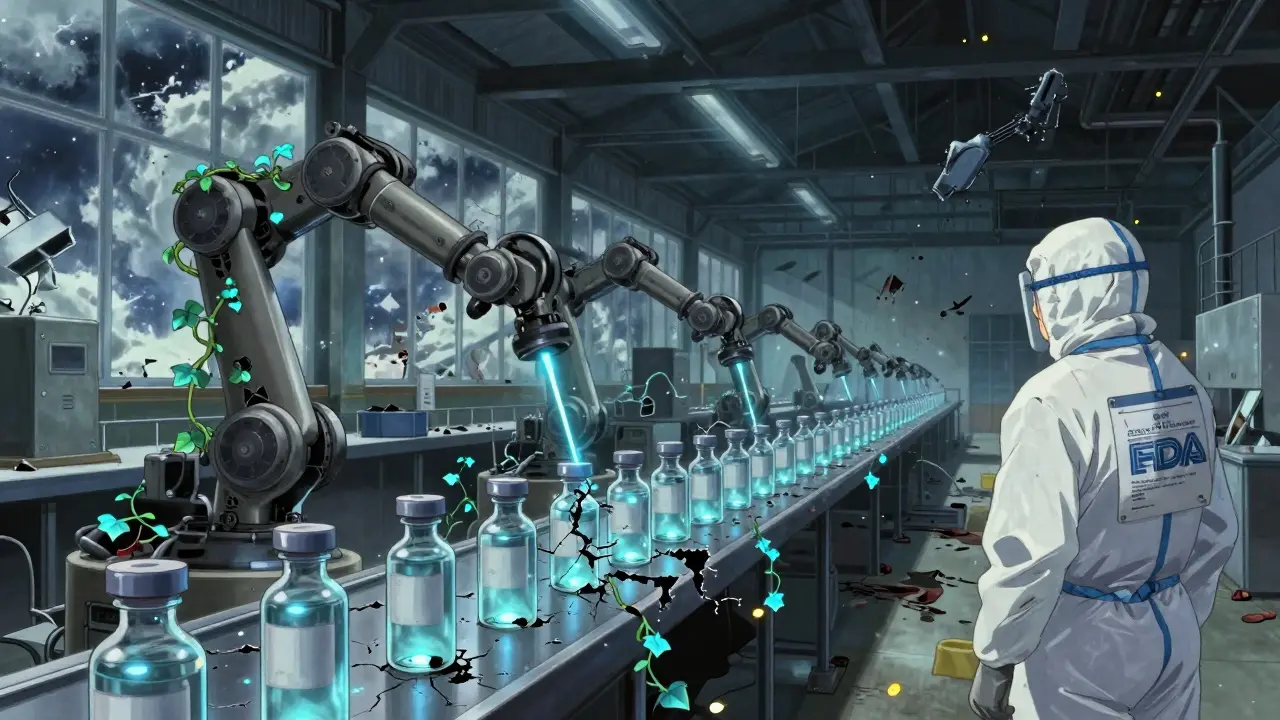
How Hospitals Are Trying to Cope
Pharmacists aren’t sitting idle. They’re working 11.7 hours a week - on average - just to find alternatives, track down suppliers, and approve substitutions. Some hospitals have formed shortage management teams. But only 32% feel those teams have enough power or resources to make a real difference. Common fixes? Consolidating stock so scarce items aren’t scattered across departments. Updating order sets to include approved substitutes. Training staff on therapeutic interchange protocols. But these aren’t quick fixes. It takes 8-12 weeks just to implement them properly. And even then, it’s a band-aid. One hospital pharmacist on Reddit wrote: “Running out of normal saline for three weeks straight forced us to get creative with oral rehydration for post-op patients - never thought I’d see the day.” That’s not innovation. That’s desperation.The System Is Broken - And No One Has Fixed It
The government has tried. The FDA’s Drug Supply Chain Security Act requires better tracking. The Consolidated Appropriations Act of 2023 demanded earlier shortage notices. But only 7% of shortages were resolved faster because of it. The FDA’s own data shows only 14% of notifications lead to timely fixes. The Biden administration pledged $1.2 billion in September 2024 to build domestic manufacturing. Sounds good - until you realize it’ll take 3 to 5 years to see results. Meanwhile, only 12% of sterile injectable makers use modern continuous manufacturing - a technology that could prevent shutdowns and speed up production. The problem isn’t one bad supplier. It’s a system built on low margins, single-source factories, and zero backup plans. When a factory in India shuts down, there’s no backup. When a hurricane hits a U.S. plant, there’s no buffer. And when a hospital runs out of a drug, there’s no easy swap.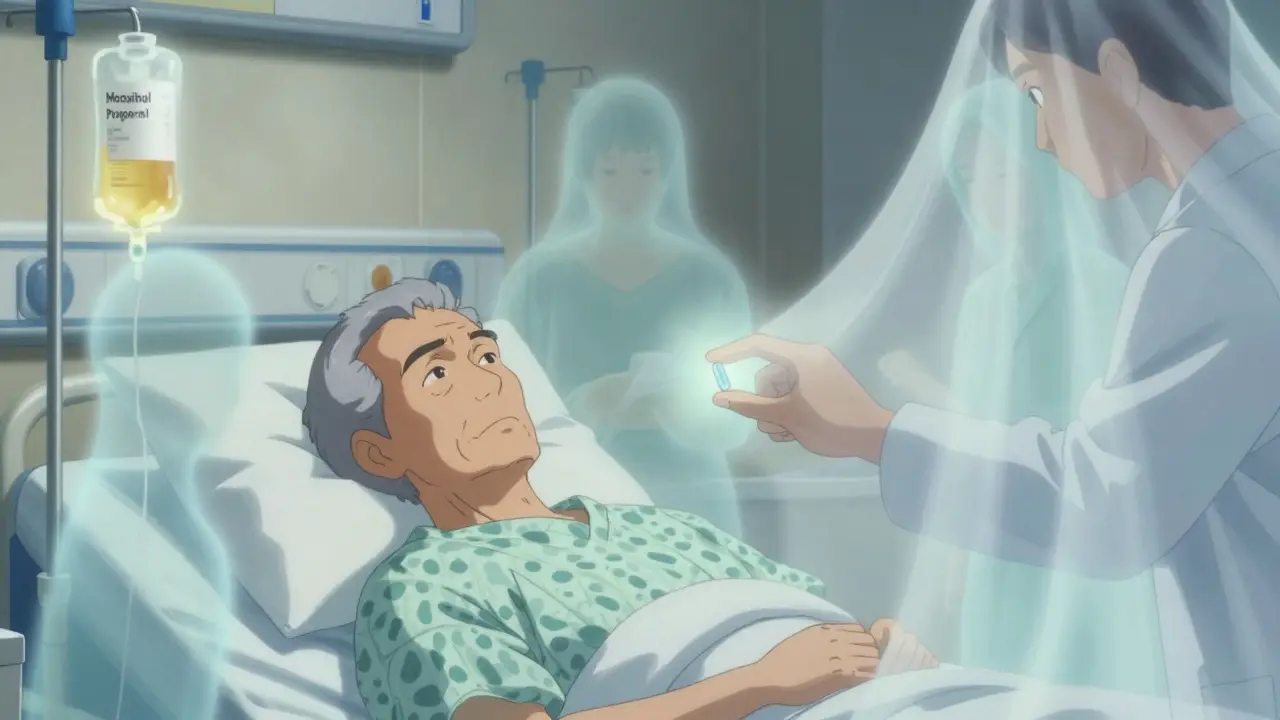
What’s Next? The Outlook for 2026
Hospital pharmacy directors surveyed in late 2024 were clear: 68% expect injectable shortages to either stay the same or get worse in 2026. Climate events are increasing. Geopolitical tensions are making global supply chains more fragile. And with profit margins still stuck at 3-5%, manufacturers have no incentive to fix the system. Without major policy changes - like enforcing minimum stockpiles, incentivizing multiple suppliers, or requiring backup manufacturing lines - hospitals will keep playing Russian roulette with patient care. The shortages aren’t going away. They’re becoming the new normal.What Patients and Families Should Know
If you or a loved one is hospitalized, ask: “Is this medication available? Are there alternatives if it runs out?” Don’t assume it’s there. Pharmacists are doing everything they can - but they’re stretched thin. Keep records of your meds. Know the generic names. Ask if a different formulation (like oral instead of IV) could work. And don’t be afraid to ask: “What happens if we don’t get this drug?” This isn’t about blame. It’s about awareness. The system is failing. And the people who pay the price aren’t CEOs or lawmakers. They’re patients in hospital beds.Why are injectable drugs more likely to be in shortage than pills?
Injectable drugs require sterile manufacturing environments, complex production processes, and strict quality controls. A single contamination can shut down an entire production line. Unlike pills, which can be made in large batches with simpler equipment, injectables need clean rooms, aseptic handling, and precise dosing - all of which are expensive and harder to scale. This makes them more vulnerable to disruptions, and manufacturers have less incentive to invest in backup systems because profit margins are so low.
Which types of injectable drugs are most commonly in shortage?
The most frequently短缺 drugs are anesthetics (87% shortage rate), chemotherapeutics (76%), and cardiovascular injectables (68%). These include essential medications like epinephrine, propofol, dobutamine, cisplatin, and sodium chloride (saline). These drugs are critical for surgeries, cancer treatment, emergency care, and managing chronic conditions - all of which are heavily dependent on hospital settings.
How do drug shortages affect elderly patients?
Over 30% of people affected by drug shortages are between 65 and 85 years old. Older adults are more likely to have multiple chronic conditions that require injectable medications - like heart failure, diabetes, or cancer. When an IV antibiotic or fluid runs out, they can’t just switch to a pill. Their bodies often can’t absorb oral meds the same way. Delays or substitutions can lead to worsening conditions, longer hospital stays, or even death.
Can hospitals just order more from another supplier?
Not easily. Most injectable drugs are made by only one or two manufacturers. For example, three companies control 65% of the market for basic saline and potassium chloride. If one factory shuts down - due to quality issues, natural disaster, or supply chain issues - there’s no alternative. Even if another company makes the same drug, regulatory approvals and compatibility testing can take months. Hospitals can’t just “order more” like you would from Amazon.
What are hospitals doing to manage these shortages?
Hospitals are forming shortage response teams, consolidating inventory, updating standing orders to include alternatives, and training staff on therapeutic substitutions. Pharmacists spend over 11 hours a week tracking down supplies. Some have switched to oral hydration when IV fluids aren’t available. But these are stopgap measures. Without more manufacturers, better regulations, or financial incentives, these efforts can’t fully solve the problem.
Is there any hope for improvement in the next few years?
The $1.2 billion federal investment in domestic manufacturing is a step forward - but it will take 3 to 5 years to show results. Only 12% of manufacturers currently use modern continuous manufacturing technology that could prevent shutdowns. Without mandatory backup supply systems, financial support for multiple suppliers, or enforcement of quality standards, experts predict shortages will remain at current levels through 2027. Real change requires systemic reform - not just funding.