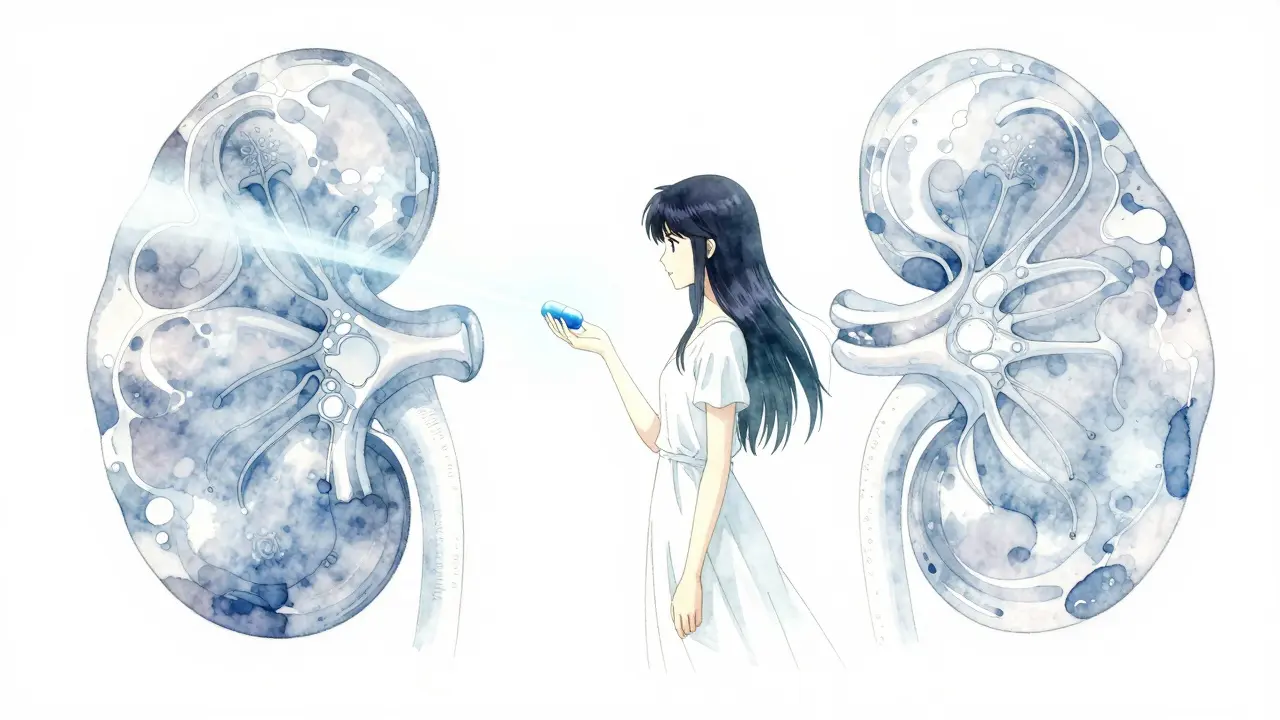
You take your Lithium is a mood stabilizer used primarily for bipolar disorder treatment with a narrow therapeutic index requiring careful monitoring every day because it keeps your life stable. It works. But this powerful medication has a tiny margin for error. The difference between a helpful dose and a dangerous one is measured in fractions of a millimole per liter. This narrow window means that everyday things-like taking an ibuprofen for a headache or sweating through a summer workout-can push your levels into the danger zone.
Many people don’t realize how sensitive lithium is to other substances in their body. It isn't just about forgetting a pill; it's about what you eat, drink, and take alongside it. When lithium mixes with certain common drugs like NSAIDs or diuretics, or when you get dehydrated, your kidneys hold onto the lithium instead of flushing it out. This buildup can lead to toxicity, which ranges from mild nausea to severe neurological damage. Understanding these interactions isn't optional if you want to stay safe on this medication.
The Narrow Therapeutic Window Explained
To understand why interactions are so risky, you first need to grasp the concept of the therapeutic index. For most medications, there’s a wide range where the drug is effective but not harmful. Lithium is different. Its therapeutic range sits tightly between 0.6 and 1.2 mmol/L. If your level drops below 0.6, the medication might stop working, risking a manic or depressive episode. If it creeps above 1.2, you enter the territory of toxicity.
This sensitivity comes down to how your body processes the drug. Unlike many medicines that the liver breaks down, lithium is eliminated almost entirely by your kidneys. About 95% of the lithium you ingest passes through unchanged. Your kidneys filter it out based on how much fluid and salt they process. Because of this, anything that changes kidney function, blood volume, or sodium balance directly impacts your lithium levels. This physiological reality makes hydration and concurrent medications critical factors in your daily health management.
NSAIDs: The Hidden Danger in Pain Relief
When you have a headache, back pain, or sore joints, reaching for a non-steroidal anti-inflammatory drug (NSAID) is instinctive. Ibuprofen, naproxen, and diclofenac are household names. However, for someone on lithium, these common painkillers can be hazardous. NSAIDs work by inhibiting prostaglandins, chemicals that cause inflammation and pain. Unfortunately, prostaglandins also play a key role in kidney function. By blocking them, NSAIDs reduce the glomerular filtration rate, effectively slowing down how fast your kidneys clear lithium from your blood.
| NSAID Type | Estimated Increase in Lithium Levels | Risk Level |
|---|---|---|
| Indomethacin | 30-60% | High |
| Ibuprofen | 25-40% | Moderate to High |
| Celecoxib | 15-30% | Moderate |
| Aspirin (low dose) | Minimal | Low |
Research indicates that indomethacin causes the most significant spike in lithium concentrations, potentially increasing levels by up to 60%. Even over-the-counter ibuprofen can raise levels by 25-40%. These changes often happen within the first week of starting the NSAID. While occasional use might be manageable for some, regular consumption creates a steady state of elevated lithium. If you must take an NSAID, doctors usually recommend checking your lithium levels weekly during the first month and being hyper-aware of early toxicity signs.

Diuretics: Water Pills and Lithium Retention
Diuretics, often called water pills, are prescribed for high blood pressure and heart conditions. They help your body get rid of excess salt and water. This mechanism sounds beneficial, but for lithium users, it triggers a conservation response in the kidneys. As your body loses sodium and fluid, the kidneys try to compensate by reabsorbing more sodium-and lithium follows suit. Since lithium mimics sodium chemically, the kidneys struggle to tell them apart, leading to increased lithium retention.
Not all diuretics carry the same weight of risk. Thiazide diuretics, such as hydrochlorothiazide, are the most problematic. Studies show they can increase serum lithium concentrations by 25-50% within just 7 to 10 days. Loop diuretics like furosemide pose a lower risk, typically raising levels by only 10-25%, but they still require caution. On the flip side, some diuretics like acetazolamide (a carbonic anhydrase inhibitor) actually decrease lithium levels by 15-30%, which could render your treatment ineffective. Potassium-sparing diuretics like spironolactone have variable effects, making them unpredictable without close monitoring.
If you are prescribed a new diuretic while on lithium, do not assume it’s safe because it’s standard care for blood pressure. Your psychiatrist and cardiologist need to communicate. Often, the solution involves lowering the lithium dose preemptively and monitoring blood levels closely until a new baseline is established.
Dehydration and Sodium: The Physiological Multipliers
Drug interactions aren't the only threat. Your lifestyle and environment play massive roles. Dehydration is perhaps the most common trigger for lithium toxicity outside of medication errors. When you lose water through sweat, vomiting, or diarrhea, your blood volume decreases. To maintain pressure, your kidneys conserve whatever fluid remains, including lithium. Even mild dehydration-losing just 2-3% of your body weight in water-can boost lithium concentrations by 15-25%.
Sodium intake is equally critical. Lithium and sodium compete for absorption in the kidneys. If you cut back on salt significantly, your kidneys absorb more lithium. Conversely, a sudden salty meal can flush lithium out, dropping your levels below the therapeutic range. Consistency is key. You don’t need to load up on salt, but drastic dietary shifts can destabilize your mood chemistry. Traveling to hot climates, engaging in intense exercise, or suffering from gastroenteritis requires proactive hydration strategies. Drink water before you feel thirsty, and consider electrolyte solutions if you’re losing fluids rapidly.

Recognizing Early Signs of Lithium Toxicity
Toxicity doesn’t always announce itself with dramatic symptoms immediately. It often starts subtly. Knowing what to look for can save your health. Early warning signs include gastrointestinal distress, particularly diarrhea, which occurs in nearly 70% of early toxicity cases. You might also experience lightheadedness, drowsiness, or a metallic taste in your mouth.
As levels rise further, neurological symptoms emerge. Fine tremors in your hands may become coarse shakes. You might notice blurred vision, ringing in your ears (tinnitus), or difficulty speaking clearly. Severe toxicity can lead to confusion, seizures, coma, and even permanent kidney damage. Elderly patients are at higher risk, with those over 65 facing a 3.2 times greater chance of toxicity due to naturally declining kidney function. If you experience any of these symptoms after starting a new medication or during a period of illness, contact your healthcare provider immediately. Do not wait for your next scheduled appointment.
Safety Protocols and Monitoring Best Practices
Managing lithium safely requires a partnership between you and your medical team. Regular blood tests are non-negotiable. Guidelines suggest checking lithium concentrations at least every three months for stable patients, but more frequently when changes occur. When adding an interacting drug like an NSAID or diuretic, weekly checks for the first month are standard practice.
Create a personal safety checklist:
- Inform all providers: Tell every doctor, dentist, and pharmacist that you take lithium. This includes specialists who might prescribe short-term medications.
- Stick to a routine: Take your lithium at the same time each day with consistent food and fluid intake.
- Avoid OTC risks: Prefer acetaminophen (paracetamol) over NSAIDs for pain relief unless cleared by your doctor.
- Hydrate consistently: Aim for steady fluid intake throughout the day, especially in heat or during exercise.
- Monitor symptoms: Keep a log of any unusual physical or mental changes and report them promptly.
Technology can help too. Many electronic health records now flag potential interactions automatically, but human vigilance is still required. Don’t rely solely on alerts. Be the advocate for your own health. If a doctor prescribes a new medication, ask specifically: "How does this interact with my lithium?" This simple question can prevent serious complications.
Can I take ibuprofen if I am on lithium?
You should generally avoid regular use of ibuprofen while on lithium because it can increase lithium levels by 25-40%, raising the risk of toxicity. Occasional, low-dose use might be acceptable under strict medical supervision with frequent blood testing, but acetaminophen (paracetamol) is a safer alternative for pain relief. Always consult your doctor before taking any NSAID.
What are the first signs of lithium toxicity?
Early signs often include diarrhea, lightheadedness, drowsiness, and nausea. As toxicity worsens, you may experience coarse hand tremors, blurred vision, tinnitus (ringing in ears), slurred speech, and confusion. If you notice these symptoms, seek medical attention immediately, as severe toxicity can lead to seizures or kidney damage.
Do all diuretics affect lithium levels?
Most diuretics affect lithium, but the severity varies. Thiazide diuretics (like hydrochlorothiazide) significantly increase lithium levels and are high-risk. Loop diuretics (like furosemide) have a moderate effect. Some diuretics, like acetazolamide, actually decrease lithium levels. Potassium-sparing diuretics have unpredictable effects. Any change in diuretic therapy requires close lithium monitoring.
How does dehydration impact lithium therapy?
Dehydration reduces blood volume, causing kidneys to retain lithium to preserve fluid balance. Even mild dehydration (2-3% body weight loss) can raise lithium levels by 15-25%. This is particularly dangerous during hot weather, intense exercise, or illnesses involving vomiting or diarrhea. Maintaining consistent hydration is crucial for stable lithium levels.
Is it safe to travel while taking lithium?
Travel is possible but requires extra caution. Long flights, hot climates, and changes in routine can lead to dehydration and sodium imbalance, both of which affect lithium levels. Carry enough medication for the entire trip plus extras, stay well-hydrated, avoid excessive sun exposure, and consider checking your lithium levels before and after travel if the trip is long or strenuous.