Most people keep a box of Imodium in their bathroom cabinet for the occasional stomach bug. It’s cheap, effective, and available without a prescription. But for some individuals, particularly those struggling with opioid use disorder, this common antidiarrheal has become a dangerous lifeline. They aren’t taking it to stop diarrhea; they’re taking massive doses to stave off withdrawal symptoms. This practice, known as loperamide abuse, is a growing public health concern that carries risks far beyond an upset stomach.
The core problem is simple: at normal doses, loperamide stays in your gut. At high doses, it hits your brain and heart. While it was designed as a non-addictive alternative to older opioids, pushing past the recommended limit turns a safe over-the-counter drug into a potential cardiac bomb. Understanding how this happens, who is most at risk, and what the warning signs look like is critical for anyone managing chronic pain or addiction.
How Loperamide Works (And How It Fails)
Loperamide is a peripheral opioid receptor agonist that slows intestinal motility to reduce diarrhea frequency. Developed by Janssen Pharmaceuticals and approved by the FDA in 1976, it works by binding to opioid receptors in the gut wall. This action reduces the urge to defecate and increases water absorption from the intestines. Crucially, at therapeutic levels (usually 4 mg initially, then 2 mg after each loose stool), the drug barely crosses the blood-brain barrier. A protein called P-glycoprotein acts as a gatekeeper, pumping loperamide out of the brain before it can cause sedation or euphoria.
However, when you take 50 to 100 times the recommended dose-often 100 to 400 mg per day-the P-glycoprotein system gets saturated. Once this transport mechanism is overwhelmed, loperamide floods the central nervous system. This produces mild opioid-like effects, enough to dull the physical agony of withdrawal but not enough to create a strong high. This creates a dangerous paradox: users must ingest potentially lethal quantities just to feel normal. Unlike prescription opioids like methadone or buprenorphine, which have established safety protocols for treating addiction, loperamide lacks medical endorsement for this purpose and introduces unique cardiac risks that properly managed medication-assisted treatment avoids.
The Cardiac Danger Zone
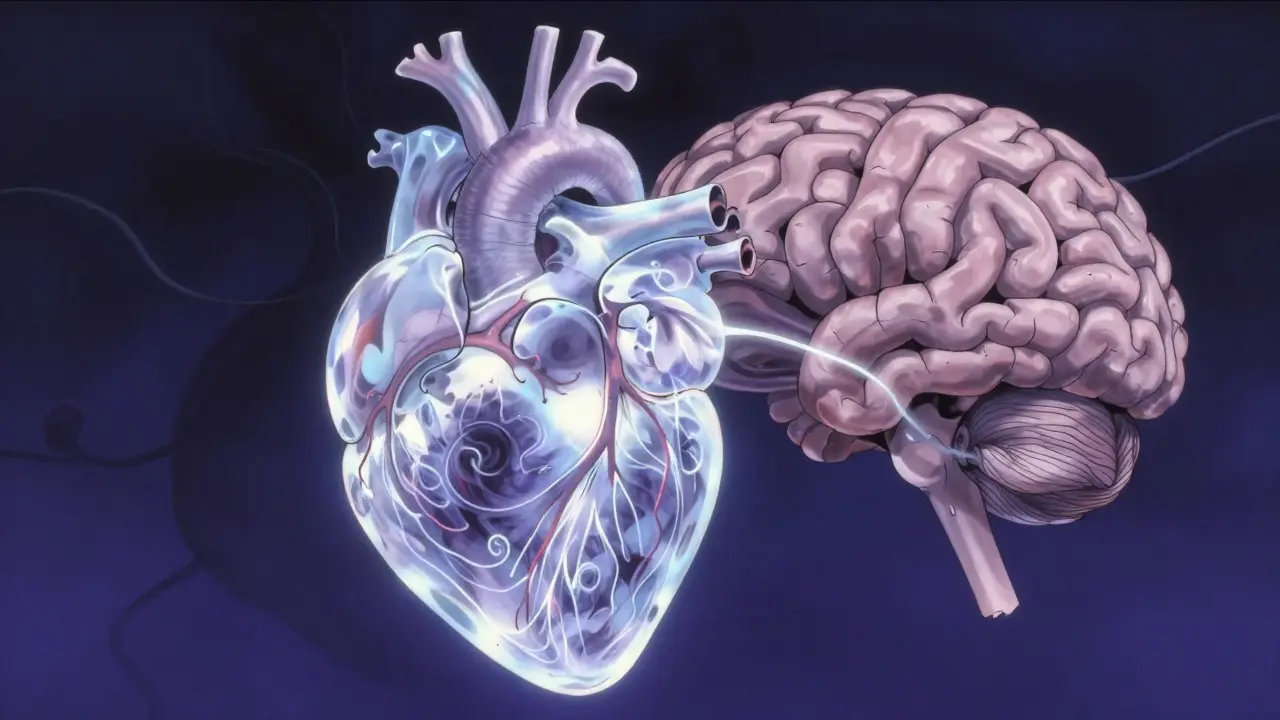
The most significant risk of loperamide abuse isn’t addiction-it’s sudden cardiac death. The danger stems from the drug’s effect on the heart’s electrical system. At high concentrations, loperamide inhibits hERG potassium channels and cardiac sodium channels. This inhibition prolongs the QT interval on an electrocardiogram (ECG). When the QT interval becomes too long, it sets the stage for a specific type of arrhythmia called Torsades de Pointes, which can lead to ventricular fibrillation and cardiac arrest.
Data from the FDA Drug Safety Communication highlights the severity of this issue. Between 2010 and 2016, serious cardiac events linked to loperamide surged. In one documented case, a patient taking 30 mg daily presented with chest pain and borderline QTc prolongation. In more severe cases, such as a 32-year-old male reported by MaineHealth in 2018, patients took up to 80 mg daily, resulting in polymorphic ventricular tachycardia and transient left ventricular dysfunction. The half-life of loperamide is approximately 10.8 hours at therapeutic doses, but with supratherapeutic dosing, toxic effects can persist longer due to tissue accumulation, keeping the heart under stress even after the last pill is taken.
| Attribute | Therapeutic Use | Abusive Use |
|---|---|---|
| Daily Dose | Max 8 mg (OTC) / 16 mg (Rx) | 100-400 mg+ |
| Primary Site of Action | Gastrointestinal Tract | Central Nervous System & Heart |
| P-glycoprotein Status | Functional (Blocks Brain Entry) | Saturated (Allows Brain Entry) |
| Cardiac Risk | Negligible | High (QT Prolongation, Arrhythmia) |
| Intended Outcome | Stop Diarrhea | Alleviate Opioid Withdrawal |
Warning Signs to Watch For
Recognizing loperamide abuse early can save lives. Because many users hide their behavior, healthcare providers and family members need to look for specific patterns. Gastrointestinal symptoms are often the first clue, though they are easily mistaken for other issues. Persistent constipation, nausea, vomiting, or a sensation of a "paralyzed" intestine can signal overdose. However, the cardiac symptoms are the true red flags.
- Palpitations: A racing or irregular heartbeat that doesn't match physical activity.
- Chest Pain: Unexplained discomfort or pressure in the chest, often accompanied by shortness of breath.
- Syncope: Fainting spells or near-faints, which may indicate a drop in blood pressure or an arrhythmia.
- Hyperventilation: Rapid breathing that isn't triggered by anxiety or exercise.
- Unexplained Cardiac Events: If a patient with a history of opioid use disorder presents with ECG abnormalities, specifically QTc prolongation, loperamide abuse should be immediately considered.
It’s worth noting that standard toxicology screens do not detect loperamide. This means a routine drug test might come back negative for opioids, leading clinicians to miss the diagnosis. Dr. Andrew Stolbach, a medical toxicologist at Johns Hopkins Hospital, notes that some patients also mix loperamide with other drugs like quinidine or diphenhydramine to inhibit its metabolism and boost absorption, further complicating the clinical picture.
Who Is Most at Risk?
Loperamide abuse is not random; it targets a specific demographic. The highest prevalence is seen among individuals with existing opioid use disorder. According to a 2018 study in the Journal of Addiction Medicine, about 15.3% of people with opioid use disorder reported using loperamide for non-medical purposes. These individuals are often seeking a way to manage withdrawal symptoms without accessing prescription medications, which may be hard to obtain or carry stigma.
The National Survey on Drug Use and Health estimated that approximately 0.2% of Americans aged 12 or older used loperamide non-medically in the past year. That translates to roughly 580,000 people. While this number seems small compared to the broader opioid epidemic, the mortality rate associated with loperamide toxicity is concerning. Between 2011 and 2020, the FDA Adverse Event Reporting System recorded 17 confirmed deaths directly attributed to loperamide toxicity. The risk is compounded by the fact that many users buy large quantities online, bypassing pharmacy checks that might catch excessive purchases.

Treatment and Immediate Response
If you suspect someone is abusing loperamide, time is critical. The primary goal is to stabilize the heart. Treatment typically involves discontinuing the drug immediately and monitoring cardiac function closely. In cases of Torsades de Pointes, magnesium sulfate is often administered intravenously to help correct the rhythm. Naloxone, the standard opioid reversal agent, may reverse some of the central nervous system effects (like sedation), but it does not fix the underlying cardiac channel blockage. Therefore, aggressive cardiac monitoring is required, sometimes for days, because the drug's effects linger in the tissues.
For long-term management, transitioning to evidence-based treatments for opioid use disorder is essential. Medications like buprenorphine or methadone provide controlled, monitored relief from withdrawal without the erratic cardiac risks of unregulated loperamide dosing. Family physicians play a key role here; they should remain vigilant for signs of toxicity in patients presenting with both addiction history and cardiac complaints.
Frequently Asked Questions
What is the maximum safe dose of loperamide?
For over-the-counter use, the maximum daily dose is 8 mg. Prescription versions may allow up to 16 mg per day. Taking more than this significantly increases the risk of crossing the blood-brain barrier and causing cardiac side effects.
Can loperamide show up on a drug test?
No, standard urine drug screens do not detect loperamide. This makes it difficult for clinicians to diagnose abuse unless the patient volunteers information or presents with specific cardiac symptoms.
Does naloxone reverse loperamide overdose?
Naloxone can reverse the central nervous system effects like sedation and respiratory depression, but it does not fully address the cardiac complications such as QT prolongation. Patients still require cardiac monitoring even after naloxone administration.
Why do people abuse loperamide instead of using prescribed meds?
Many users turn to loperamide because it is available over-the-counter, cheap, and easy to buy in bulk. They often lack access to or desire to avoid the stigma associated with prescription opioid maintenance therapies like methadone or buprenorphine.
What are the immediate signs of loperamide toxicity?
Key signs include palpitations, chest pain, fainting (syncope), and rapid breathing. On an ECG, you will see prolonged QT intervals. Gastrointestinal issues like severe constipation or nausea may also occur but are less specific.