It is a stressful moment. Your child has a fever, looks miserable, and you are wondering if it is time to reach for that bottle of antibiotics medications designed to treat bacterial infections by killing bacteria or inhibiting their growth. You want them better, now. But here is the hard truth: antibiotics do nothing against viruses. If your child has a cold, flu, or most cases of diarrhea, those pills will not help-and they might actually cause harm. Knowing exactly when these drugs are necessary, what goes wrong when they are used incorrectly, and how to spot a true allergy versus a harmless rash is critical for every parent.
The Golden Rule: Bacteria vs. Viruses
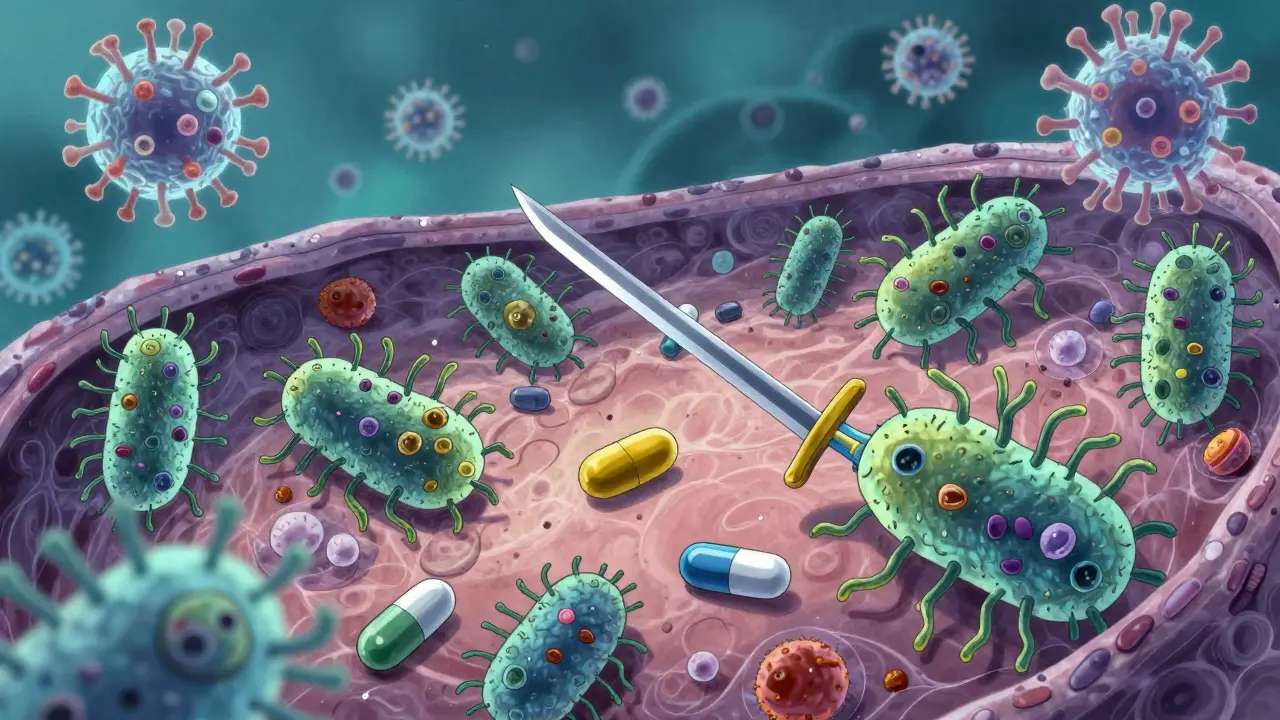
To use antibiotics correctly, you first need to understand what you are fighting. These medicines target specific structures in bacteria single-celled organisms that can cause infections like strep throat and pneumonia that human cells do not have. They leave viruses microscopic infectious agents that cause common colds, flu, and most childhood illnesses completely untouched. Giving antibiotics for a viral infection is like using a key to open a window-it just doesn't fit.
According to data from Children's Hospital Colorado, about 90% of pneumonia cases in children are viral. For diarrhea and vomiting, that number jumps to 99%. Even with sore throats, only about 20% are caused by strep throat a bacterial infection of the throat and tonsils caused by Group A Streptococcus, which requires treatment. The rest are viral. Doctors rely on specific tests, like rapid antigen detection for strep, because guessing based on symptoms alone has an accuracy rate of only 40-60%. Without a positive test or clear signs of bacterial ear inflammation, antibiotics are usually unnecessary.
Common Antibiotic Classes for Kids
When a doctor does prescribe medication, they choose from specific classes based on the type of bacteria suspected. Here is what you are likely to encounter:
- Penicillins (Amoxicillin): This is the go-to first-line treatment for many infections, including ear infections and bacterial sinusitis. It is favored because it is broad-spectrum and generally safe. The standard dose for acute otitis media is 80-90 mg per kilogram of body weight per day, split into two doses.
- Cephalosporins (Cefdinir, Ceftibuten): These are often used if the child has a penicillin allergy (mild) or for more complicated ear infections and pneumonia.
- Macrolides (Azithromycin, Erythromycin): Prescribed for whooping cough or mild pneumonia. Azithromycin is popular because the course is short-often just three to five days.
| Class | Common Drug | Typical Use Case | Dosing Frequency |
|---|---|---|---|
| Penicillin | Amoxicillin | Ear infections, Strep throat | Twice daily (10-day course) |
| Cephalosporin | Cefdinir | Complicated ear infections | Once or twice daily |
| Macrolide | Azithromycin | Whooping cough, mild pneumonia | Once daily (3-5 day course) |
Side Effects: What to Expect
About 10% of children experience some kind of side effect. Most are mild and manageable, but knowing the difference between a nuisance and a danger is key. Gastrointestinal issues are the most common culprit. Diarrhea affects between 5% and 25% of kids, depending on the drug. Nausea and vomiting occur in up to 18% and 10% of cases, respectively.
These issues happen because antibiotics don't just kill the bad bacteria; they also wipe out the good bacteria in the gut. To mitigate this, doctors often recommend giving the medicine with food (unless instructed otherwise) and ensuring the child stays hydrated. In severe cases, the loss of good bacteria can allow Clostridium difficile a bacterium that causes severe diarrhea and colitis after antibiotic use to overgrow, leading to serious infection. This accounts for 15-25% of antibiotic-associated diarrhea cases in children.
Allergies vs. Rashes: Don't Panic
This is where parents get confused. A rash appears, and everyone assumes "allergy." But here is the nuance: 80-90% of rashes seen during antibiotic treatment are just side effects, not true allergic reactions. True antibiotic allergy an immune system reaction to a medication, ranging from mild hives to life-threatening anaphylaxis is rare, affecting only about 1-2% of children.
You need to look for specific signs of a true allergy. Mild redness or a flat rash without other symptoms is likely a side effect. However, if you see hives (raised, itchy welts), swelling of the lips or face, wheezing, or difficulty breathing, stop the medication and seek emergency care immediately. Anaphylaxis occurs in less than 0.05% of courses but is life-threatening.
Another myth to bust: family history. Just because a parent is allergic to penicillin does not mean the child is. Studies show that 95% of children labeled "allergic" solely due to family history can safely take penicillin. Always clarify the nature of any previous reaction with your pediatrician before avoiding a first-line drug.
How to Give Medication Without the Fight
Getting a toddler to swallow bitter liquid medicine is a battle in itself. About 43% of children resist taking it due to taste. Here are practical tips that actually work:
- Mix with small amounts of food: A teaspoon of chocolate syrup, applesauce, or yogurt can mask the flavor. Avoid large meals as they might interfere with absorption.
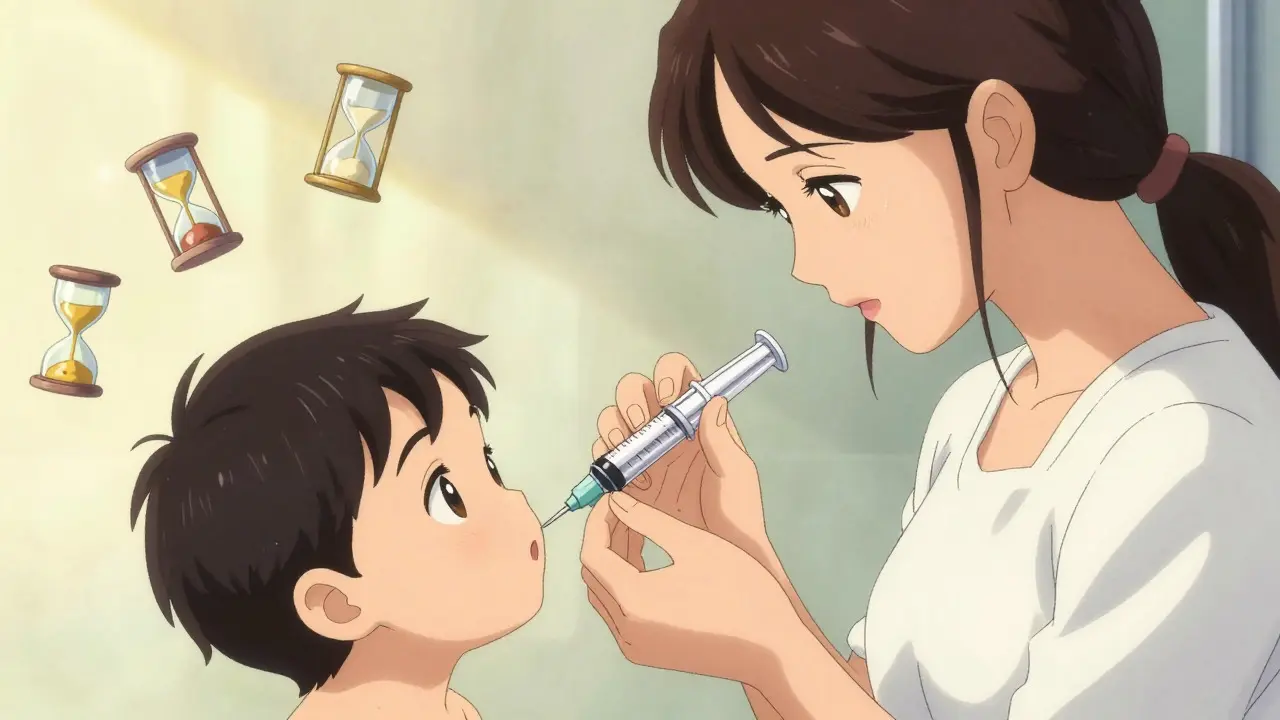
- Use the right tool: Use the specialized dosing syringe provided, not a kitchen spoon. Kitchen spoons vary wildly in volume, leading to under- or overdosing.
- Timing matters: If your child vomits within 30 minutes of taking the dose, repeat the full dose. If it happens between 30 and 60 minutes, give half the dose. After an hour, assume it was absorbed and do not repeat.
- Stick to the schedule: Amoxicillin needs to be given every 12 hours. Consistency keeps the drug levels high enough to kill the bacteria.
The Danger of Stopping Early
Parents often make a well-meaning mistake: stopping the medication as soon as the child feels better. About 30% of parents do this. It is dangerous. When symptoms improve, the strongest bacteria are dead, but the weaker ones survive. If you stop early, those survivors multiply and become resistant to the drug. This contributes to antibiotic resistance the ability of bacteria to withstand the effects of antibiotics, making infections harder to treat, a global health crisis.
Always finish the entire prescribed course, even if your child is playing normally on day three. The CDC emphasizes that incomplete courses are a primary driver of resistant strains like MRSA (Methicillin-resistant Staphylococcus aureus), which has increased by 150% in children since 2010.
Watchful Waiting: Sometimes Doing Nothing is Best
In borderline cases, such as a mild ear infection in a child over six months, doctors may recommend "watchful waiting." This means no antibiotics for the first 72 hours. Instead, you manage pain with acetaminophen or ibuprofen and monitor closely. If symptoms worsen or persist beyond three days, then antibiotics are started. This approach reduces unnecessary exposure to drugs and lowers the risk of side effects and resistance.
Remember, fever duration alone doesn't dictate bacterial infection. Most viral illnesses last 7-10 days. Antibiotics won't shorten a viral fever. As Dr. Charles Woods notes, "The most powerful antibiotic we have for most childhood illnesses is time and supportive care."
Can I give my child leftover antibiotics?
No. Leftover antibiotics are likely the wrong dose, the wrong type of drug for the current infection, or expired. Using them can lead to ineffective treatment and contribute to antibiotic resistance. Always get a fresh prescription tailored to the current illness.
How long does it take for antibiotics to work in children?
You should typically see improvement within 48 to 72 hours. If there is no change or if symptoms worsen after three days, contact your pediatrician. They may need to reassess the diagnosis or switch medications.
Is yellow or green mucus a sign of bacterial infection?
Not necessarily. Color changes in nasal discharge are normal parts of the viral cold process. About 72% of parents believe color indicates bacteria, but evidence shows it is often just white blood cells clearing out a virus. Duration and severity are better indicators than color alone.
What should I do if my child develops a rash while on antibiotics?
First, assess the severity. If it is a mild, non-itchy rash without fever or swelling, it is likely a side effect. Call your doctor for advice. If the rash involves hives, facial swelling, or breathing difficulties, seek emergency care immediately as it could be a true allergic reaction.
Do antibiotics cause diaper rash?
Yes, indirectly. Antibiotics can kill beneficial gut bacteria, allowing yeast (Candida) to overgrow. This can lead to a yeast diaper rash, which looks bright red with satellite spots. Probiotics or antifungal creams may be needed to treat it.