Drug Interaction Risk Simulator
Select a modulator (inhibitor or inducer) to see how it affects the concentration of a target drug that relies on the CYP3A4 enzyme or P-gp transporter.
Estimated Effect
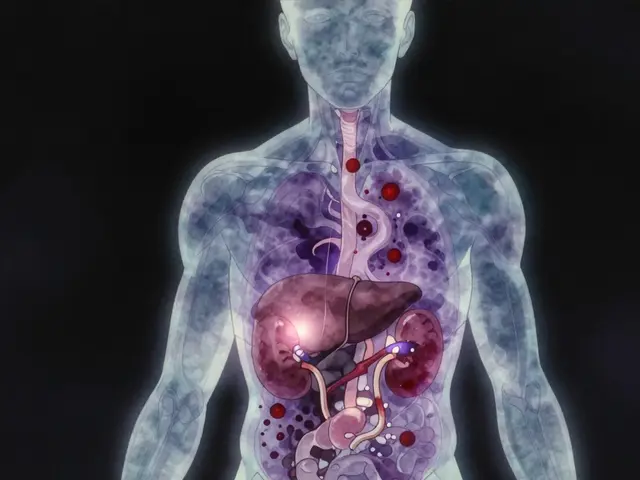
Imagine taking a pill to fight a virus, only to find it causes a dangerous bleed or stops working entirely because of another medication in your cabinet. This isn't a rare medical mystery; it's a daily reality for clinicians managing CYP3A4 and P-glycoprotein interactions. For people on HIV or Hepatitis C treatments, the way their body processes drugs can change overnight based on a single addition to their regimen.
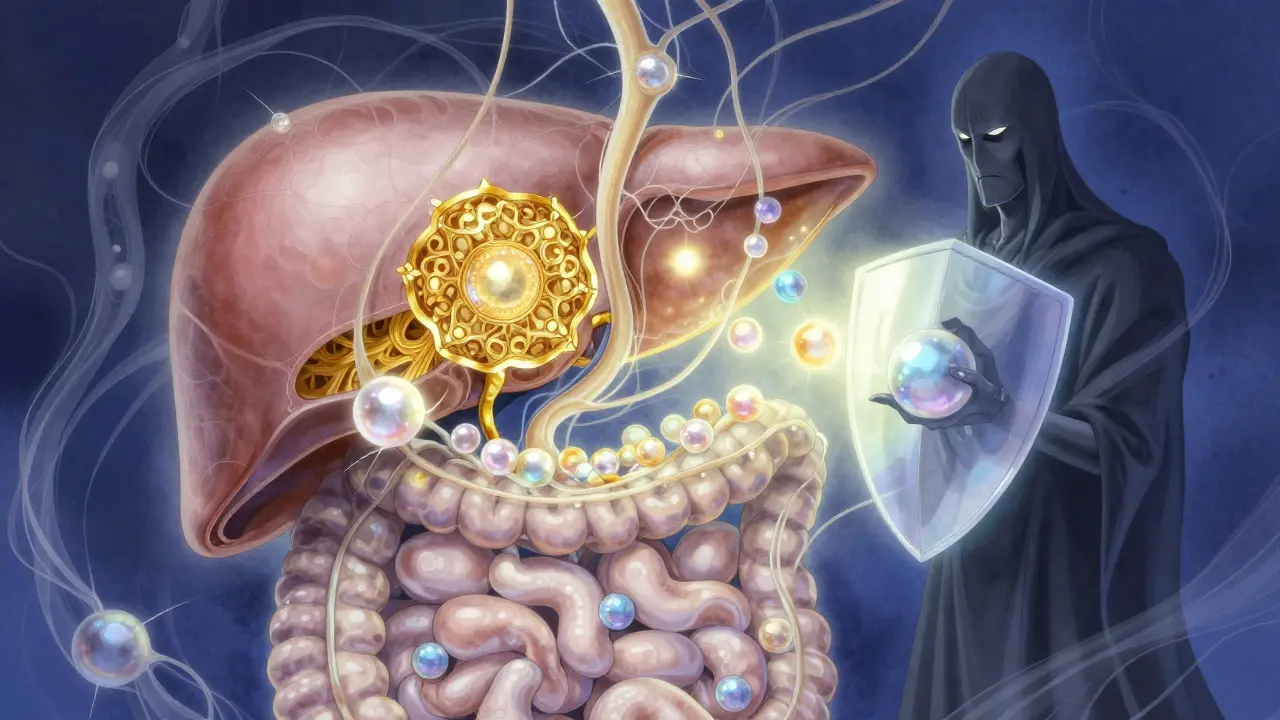
At the heart of this is CYP3A4, which is the most common enzyme in the human liver and intestines responsible for breaking down about half of all clinically used medications. When a drug blocks this enzyme, other medicines can build up to toxic levels. Beside it stands P-glycoprotein (or P-gp), an ATP-dependent efflux transporter that acts like a cellular bouncer, pumping drugs out of cells and limiting how much medicine actually gets absorbed into your bloodstream. If you block the bouncer, too much drug gets in.
The Ritonavir Revolution: From Treatment to Booster
The medical world first really felt the impact of these pathways when Ritonavir was approved in 1996. While it was designed to fight HIV, doctors quickly noticed it was a powerhouse at inhibiting CYP3A4. Instead of just using it as a primary drug, they started using it as a "pharmacokinetic booster." By giving a small dose of ritonavir (around 100 mg), they could keep other protease inhibitors in the blood longer and at higher concentrations.
But this "boost" is a double-edged sword. Ritonavir doesn't just help the antiviral; it stops the liver from breaking down other drugs. For example, if a patient takes alprazolam while boosted by ritonavir, the levels of alprazolam can jump by over 300%. On the flip side, ritonavir is a bit of a contradiction: while it shuts down CYP3A4, it actually induces CYP1A2. This means it might make some drugs disappear faster while making others linger, creating a complex chemical balancing act in the body.
How P-gp and Transporters Change the Game
While the liver enzymes get most of the spotlight, the transporters are just as critical. Many direct-acting antivirals (DAAs) used for Hepatitis C, like grazoprevir or paritaprevir, are substrates for P-gp. This means they rely on these transporters to move through the body. If you introduce a drug that inhibits P-gp, you're essentially removing the exit door, leading to a massive spike in drug absorption.
It's not just P-gp, either. We also have to look at OATP1B1 and OATP1B3 transporters. These are like intake valves for the liver. A clear example of the danger here is combining grazoprevir with cyclosporine. Because cyclosporine blocks these OATP valves, the concentration of grazoprevir can skyrocket by over 17 times, which is why this combination is strictly contraindicated.
| Entity | Primary Action | Effect on CYP3A4 | Key Risk/Trade-off |
|---|---|---|---|
| Ritonavir | Strong CYP3A4 Inhibitor | Very High (AUC Ratio 11.3) | Induces CYP1A2; complex DDI profile |
| Cobicistat | CYP3A4 Inhibitor | High (AUC Ratio 5.1) | OCT2 inhibition leads to creatinine rise |
| Darunavir | Protease Inhibitor | Minimal (AUC Ratio 1.2) | Requires booster for max efficacy |
Real-World Risks and Clinical Failures
These aren't just theoretical charts; they have real consequences. Consider a patient taking apixaban (a common blood thinner). If they start a regimen of darunavir boosted by cobicistat, the cobicistat blocks the metabolism of the blood thinner. In one documented case, a 68-year-old patient suffered life-threatening gastrointestinal bleeding because their anti-Xa levels nearly doubled the safe limit. The drug simply had nowhere to go, so it stayed in the system, thinning the blood to a dangerous degree.
Another common pitfall involves everyday items. Many people don't realize that St. John's wort, a popular herbal supplement for mood, is a potent inducer. It essentially tells the liver to produce *more* CYP3A4 enzymes, which can wipe out 57% of the ritonavir in a patient's system. Conversely, grapefruit juice contains bergamottin, which inhibits the enzyme and can push drug levels up by 23%. It's a reminder that "natural" doesn't mean "safe" when you're on a strict antiviral regimen.
Managing the Chaos: Tools and Strategies
So, how do doctors handle this without spending ten hours on every single prescription? The gold standard has shifted toward digital screening. The University of Liverpool's interaction checker has become a lifesaver, reducing adverse events from nearly 19% down to about 5% in some studies. These tools allow clinicians to see a color-coded risk level instantly.
Beyond apps, experts use "strategic sequencing." This involves delaying the start of a CYP3A4-dependent drug-like certain anticoagulants-until the first month of antiviral therapy is over. This allows the body to reach a steady state and avoids the dangerous "peaks" in drug concentration that often happen during the first few days of a new medication.
The Future of Personalized Antiviral Therapy
We are moving away from a one-size-fits-all approach. The next frontier is pharmacogenomics. For instance, people with the CYP3A5*3/*3 genotype (which is common in about 85% of Caucasians) process certain drugs differently. When combined with ritonavir, these patients can have over twice the exposure to drugs like tacrolimus compared to others.
As the global population of people living with HIV ages, they aren't just managing a virus; they're managing high blood pressure, diabetes, and heart disease. This means more pills and more potential for the "bouncer" (P-gp) and the "enzyme" (CYP3A4) to clash. The goal is no longer just viral suppression, but maintaining a delicate chemical equilibrium that keeps the patient healthy without causing accidental toxicity.
Why is ritonavir used as a booster if it causes so many interactions?
Ritonavir is used because it is incredibly effective at stopping CYP3A4 from breaking down other protease inhibitors. By "boosting" these drugs, it allows for lower doses of the primary antiviral and less frequent dosing, which helps patients stay on their treatment. The risk of interactions is managed through careful screening and dose adjustments of other medications.
What is the difference between a CYP3A4 inhibitor and an inducer?
An inhibitor (like cobicistat) blocks the enzyme, causing other drugs to stay in the body longer and reach higher levels. An inducer (like St. John's wort) tells the body to make more of the enzyme, which causes other drugs to be broken down and cleared from the body much faster, potentially making them ineffective.
How does P-glycoprotein (P-gp) differ from CYP3A4?
CYP3A4 is an enzyme that chemically changes a drug to help the body eliminate it. P-gp is a transporter protein that physically pumps the drug out of the cell. They often work together; for example, P-gp can pump a drug back into the gut lumen where CYP3A4 can break it down again, providing a double layer of protection against drug absorption.
Are there antivirals that don't interact with CYP3A4?
Yes, newer generations of antivirals are designed to be "cleaner." For example, newer HIV medications like lenacapavir have minimal CYP interactions, and certain Hepatitis C regimens like glecaprevir/pibrentasvir require far fewer dose adjustments for co-administered drugs than older, ritonavir-boosted versions.
Can grapefruit juice really affect my antiviral medication?
Yes. Grapefruit juice contains compounds that inhibit CYP3A4 in the intestines. If you are taking a drug that is metabolized by this enzyme, the juice can prevent the drug from being broken down, leading to higher-than-intended levels of the medication in your blood, which could increase the risk of side effects.



william wang
April 15, 2026 AT 18:13The mention of the University of Liverpool's interaction checker is spot on. I've seen so many clinicians rely on outdated PDFs or just memory, which is a recipe for disaster given how fast these antiviral regimens evolve. It's a great example of how digital health tools can actually save lives by reducing human error in complex pharmacokinetics.
Agatha Deo
April 17, 2026 AT 02:01Oh, how precious that we're pretending these 'digital tools' are a revolution. Imagine thinking a color-coded app is the pinnacle of clinical safety. It's cute that you think a website from Liverpool is the only thing standing between a patient and a bleed, but maybe some of us actually understand the molecular biology without needing a little red light to tell us it's dangerous. Absolute joke.
Sophia Rice
April 17, 2026 AT 20:37This is really helpfull for pepole who dont have a medcal background! I never knew grapefruitt juice could be so dangerous with some meds. Thanks for sharing this info it helps us stay safe!
Maggie Graziano
April 19, 2026 AT 07:02big pharma just wants us on these boosters so we stay dependent on their updated versions they hide the real side effects
Nathan Berlin
April 20, 2026 AT 21:43Typical western medicine thinking 🙄 we have far better holistic approaches in India that dont mess with your liver enzymes like this 🇮🇳💪 why rely on a booster when nature provides balance 🌸✨
Anna BB
April 21, 2026 AT 03:32It's truly fascinating to contemplate the delicate balance of our internal chemistry... isn't it poetic how a single protein like P-gp acts as a guardian for our cells?? It makes one realize how interconnected every single biological process is, and how humble we must remain in the face of such complexity!!!
Randall Barker
April 21, 2026 AT 21:36The failure here isn't the drug interaction, it's the lack of personal responsibility and rigorous education for the patient. If you're taking a blood thinner and an antiviral, you should be reading the pharmacological inserts yourself instead of blindly trusting a doctor who spends five minutes with you. It's a systemic failure of intellect and a lack of basic rigor in modern healthcare. People treat their bodies like garbage bins and then act surprised when the chemistry fails them. It's pathetic that we've reached a point where people can't even manage their own medication list without a 'checker' app holding their hand through the process.
Michael Lewis
April 23, 2026 AT 08:07Let's focus on the positive here! The shift toward pharmacogenomics is a huge win. We can finally move toward a world where the dose is tailored to the individual's DNA, not just a generic average. This is how we elevate the standard of care for everyone!
Heer Malhotra
April 24, 2026 AT 00:02It is highly regrettable that the global North continues to dominate the narrative on antiviral research while ignoring the contributions of Eastern pharmacopoeia. This article focuses on synthetic chemicals while dismissing the systemic wisdom of traditional medicine, which is an affront to the intellectual heritage of my country.
Josephine Wyburn
April 25, 2026 AT 22:05I just can't even deal with the stress of reading this because now I'm thinking about every single thing I've ever eaten and whether it messed with my meds and I'm literally shaking just imagining a bleed because of some juice 😭💔 like why is the world so cruel and complicated and why do we have to live with these terrifying risks every single day when we're just trying to survive 😫🥀
Colleen Tankard
April 26, 2026 AT 12:19Stay chill everyone! Just a reminder to keep your doctors in the loop about your supplements 🌿✨ keep it safe and keep it healthy ✌️😊
Jon lee
April 26, 2026 AT 12:36I really appreciate everyone sharing their perspectives here. Let's make sure we keep the conversation helpful and supportive for anyone who might be feeling overwhelmed by this medical information. We're all learning together!