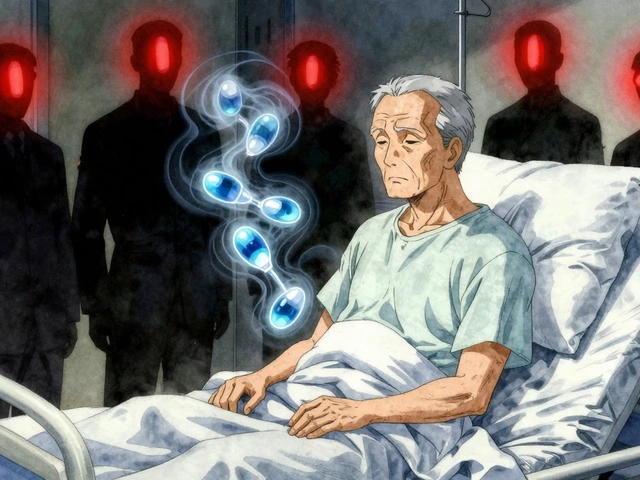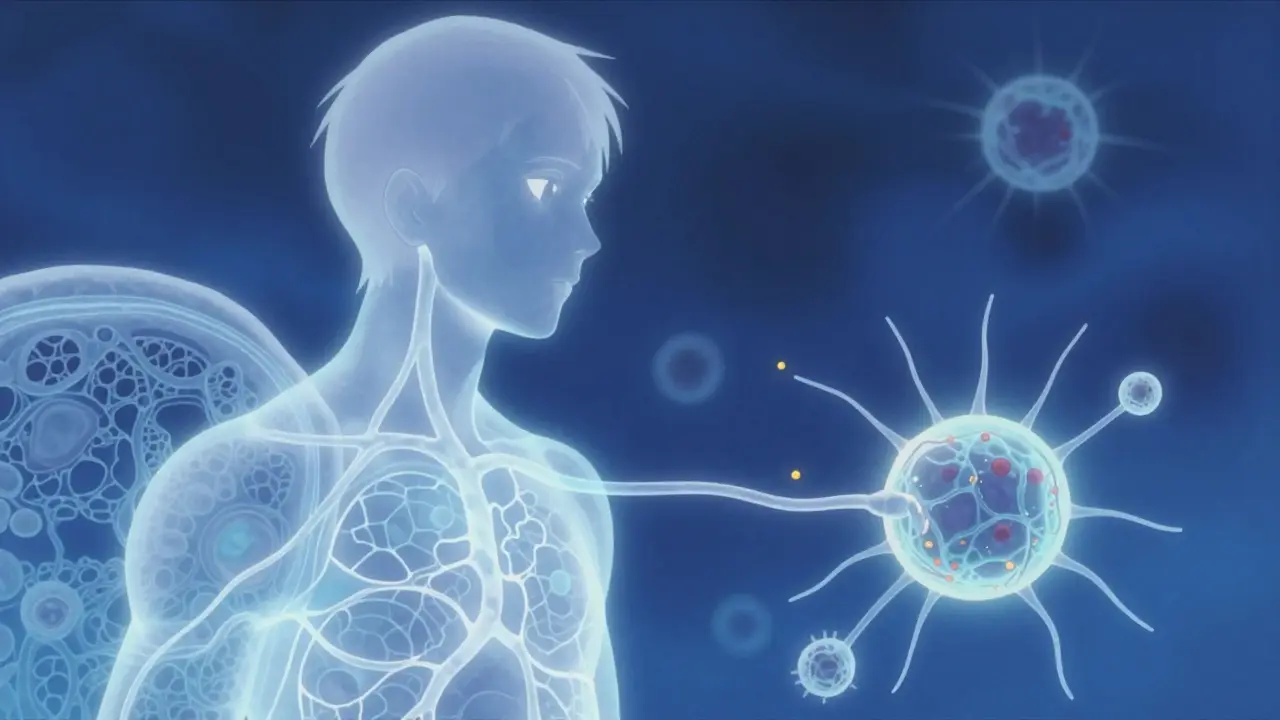
Imagine being told that the only medication capable of treating your condition is also the one that sends your body into shock. For decades, this was a dead end. You had to choose between your life and your treatment. Today, that choice no longer exists for many patients. Through drug desensitization, specialists can temporarily reset your immune system’s response, allowing you to receive essential therapies safely. This isn't magic; it's precise medical engineering.
If you have been diagnosed with a severe drug allergy, you might feel stuck. But understanding how re-challenge and desensitization procedures work under strict supervision can open doors to treatments you thought were off-limits. Let’s break down exactly what happens during these high-stakes procedures, who qualifies, and why timing is everything.
What Is Drug Desensitization?
Drug desensitization is a medically supervised procedure that enables patients with confirmed drug allergies to temporarily tolerate medications essential for their treatment by administering progressively increasing doses of the allergenic drug. Think of it as teaching your immune system to ignore a threat that it previously saw as an enemy. It doesn't cure the allergy permanently. Instead, it creates a temporary state of tolerance while you receive the medication.
This technique was formalized in the late 20th century, with major protocols emerging in the 1990s. Pioneers like Dr. Mariana C. Castells at Brigham and Women's Hospital established dedicated centers for this exact purpose. The core idea is simple but dangerous if done wrong: introduce tiny amounts of the drug, wait to see how your body reacts, and slowly increase the dose until you reach the full therapeutic amount. If successful, you get your medicine. If not, the team stops immediately.
Who Needs This Procedure?
You likely need desensitization if you have a confirmed immediate hypersensitivity reaction-often mediated by IgE antibodies-to a drug that has no suitable alternative. This is common in three main areas:
- Oncology: Patients needing chemotherapy or targeted therapies like monoclonal antibodies (e.g., rituximab, cetuximab) where switching drugs could compromise cancer control.
- Infectious Disease: Cases requiring specific antibiotics, such as penicillin or vancomycin, for serious infections like cystic fibrosis-related pneumonia, where alternatives are less effective.
- Rheumatology/Autoimmune: Treatments involving aspirin, NSAIDs, or biologic agents for conditions like rheumatoid arthritis or Crohn's disease.
It is crucial to distinguish this from non-allergic side effects. Nausea or mild rash usually don't require desensitization. We are talking about reactions like hives, swelling (angioedema), wheezing, or anaphylaxis.

The Step-by-Step Protocol
Desensitization is not a quick shot. It is a marathon of precision. Most standard protocols follow a 12-step algorithm, though some complex cases use 16 steps. Here is how it typically unfolds for intravenous drugs:
- Preparation: A written protocol is created specifically for you and the medication. This includes calculating dilutions (often starting at 1:100 or even 1:10,000 of the final dose).
- Initial Dose: You receive a minuscule amount-often 1/10,000th of the therapeutic dose. This tests the waters without triggering a massive response.
- Progressive Escalation: Every 20 to 30 minutes, the dose doubles. You move through three different concentrations: highly diluted, moderately diluted, and finally undiluted.
- Monitoring: Throughout this process, nurses and doctors monitor your blood pressure, pulse oximetry (oxygen levels), and physical symptoms every 5 minutes. Patients with asthma may also undergo spirometry tests.
- Maintenance: Once the full dose is reached, you must continue receiving the drug regularly. Tolerance is fleeting.
For oral drugs like aspirin, the intervals are longer-at least one hour between doses-and the entire process can span several days due to the slower absorption rate.
Safety First: Contraindications and Risks
Not everyone is a candidate. In fact, attempting desensitization in certain scenarios can be fatal. Medical authorities strictly prohibit this procedure for patients with a history of severe cutaneous adverse reactions (SCARs). These include:
- Stevens-Johnson syndrome (SJS)
- Toxic epidermal necrolysis (TEN)
- Erythema multiforme
- Any reaction involving skin blistering or peeling
- History of hepatitis, nephritis, or serum sickness caused by the drug
Why? Because these reactions involve T-cells and delayed mechanisms, not just IgE. Desensitization works on IgE-mediated pathways. Trying to bypass a T-cell mediated disaster will not work and can worsen the injury.
Even when eligible, risks remain. The procedure requires a facility equipped with emergency medications like epinephrine, antihistamines, and corticosteroids. If you develop signs of anaphylaxis during the protocol-such as dropping blood pressure or throat swelling-the team will abort the procedure, treat the reaction, and reassess. Sometimes, they drop back to a previous tolerated dose and slow down the increments.

Temporary Tolerance: The Catch
Here is the most critical thing to remember: desensitization is temporary. As soon as you stop taking the drug, your immune system forgets the "truce." Your hypersensitivity returns quickly, often within hours or days.
This means you cannot miss doses. If you are undergoing desensitization for a daily antibiotic, you must take it every day. If you are receiving weekly infusions for cancer, you must stay on schedule. Any significant interruption requires repeating the entire desensitization process from scratch. This logistical challenge is why these procedures are reserved for situations where there truly are no other options.
Finding the Right Specialist
You cannot do this at home. You cannot do this at a standard urgent care clinic. Desensitization requires highly trained specialists, typically allergists or immunologists, in a controlled hospital setting. Centers like the Drug Hypersensitivity and Desensitization Center at Brigham and Women's Hospital set the gold standard, but many major academic medical centers now offer similar services.
When seeking care, ask if the provider follows updated practice parameters, such as those published by the American Academy of Allergy, Asthma & Immunology (AAAAI) in 2022. These guidelines ensure that the team is using evidence-based protocols for modern drugs, including newer biologics and immune checkpoint inhibitors.
How long does a typical drug desensitization procedure take?
For intravenous medications, a standard 12-step protocol usually takes approximately 5 to 6 hours. Oral desensitization, particularly for aspirin or NSAIDs, can take significantly longer, potentially spanning multiple days due to the need for longer intervals between doses.
Is drug desensitization permanent?
No, it is temporary. Tolerance lasts only as long as you continue to receive the medication. If you miss doses or stop therapy, your allergy will return quickly, and you would need to undergo the desensitization process again before restarting the drug.
What are the biggest risks during the procedure?
The primary risk is an allergic reaction, ranging from mild hives to severe anaphylaxis. This is why continuous monitoring of vital signs is essential. Procedures are aborted if severe symptoms like hypotension or laryngeal edema occur that do not respond immediately to emergency treatment.
Can I be desensitized if I had Stevens-Johnson Syndrome?
Absolutely not. Desensitization is contraindicated for patients with a history of severe cutaneous adverse reactions like Stevens-Johnson syndrome, toxic epidermal necrolysis, or any reaction involving skin blistering. These reactions are too dangerous to attempt to bypass.
Where should this procedure be performed?
It must be performed in a specialized medical facility, such as a hospital or dedicated allergy center, under the direct observation of experienced specialists. The environment must have immediate access to emergency equipment and medications like epinephrine.