Category: Medication Guides - Page 3

Deprescribing Research: What Happens When You Reduce Medications in Older Adults
Deprescribing reduces unnecessary medications in older adults, lowering fall risk, improving mental clarity, and boosting quality of life. Research shows it’s safe and effective when done properly.
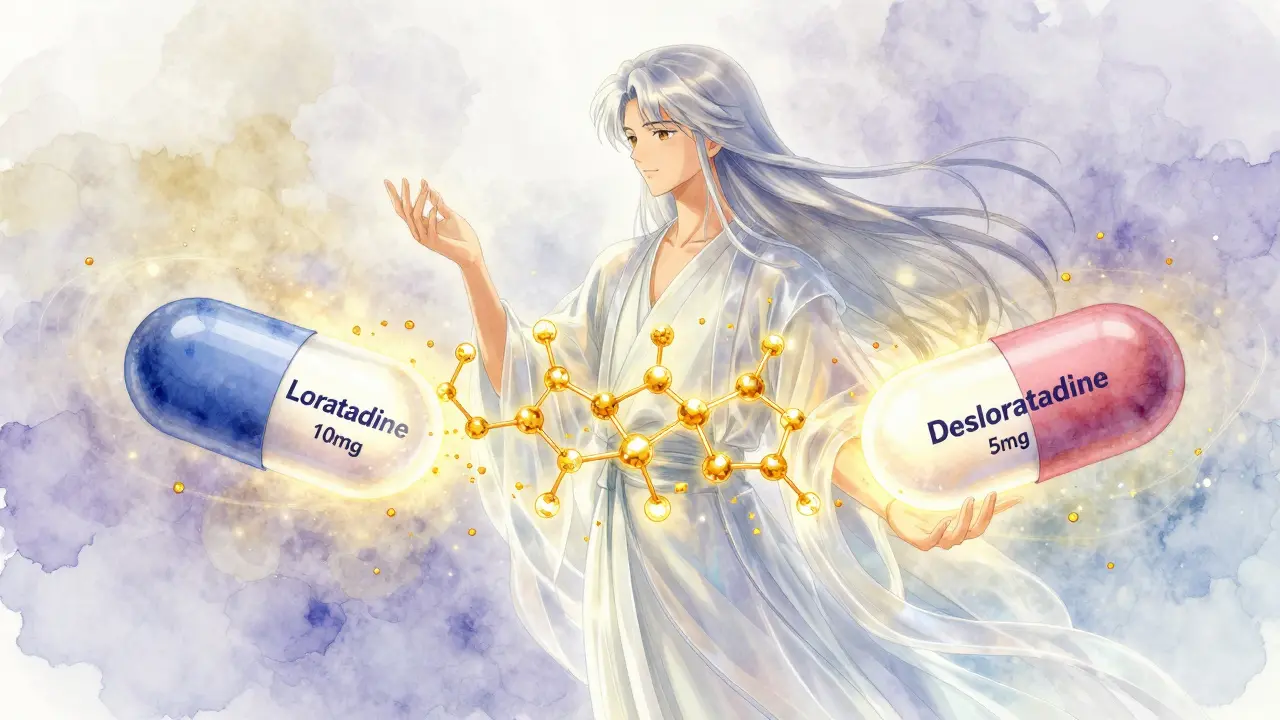
Desloratadine vs Loratadine: Side Effects, Dosing, and Which One Works Better
Desloratadine and loratadine are both non-sedating antihistamines for allergies, but desloratadine is more potent, longer-lasting, and works better for nasal congestion and inflammation. Learn which one suits your symptoms and budget.

How to Safely Manage Expired Inhalers, Eye Drops, and Topical Medications
Learn how to safely dispose of expired inhalers, eye drops, and topical medications to avoid health risks and environmental harm. Get practical steps, disposal options, and what to do in an emergency.

Opioids and Sleep Apnea: How Opioids Trigger Dangerous Breathing Problems During Sleep
Opioids can cause dangerous breathing pauses during sleep by suppressing brain signals that control breathing. This silent risk combines with sleep apnea to increase overdose danger-especially when mixed with other sedatives. Screening and naloxone can save lives.

Azoles and Tacrolimus: How Common Antifungals Cause Dangerous Drug Spikes and Kidney Damage
Azoles like voriconazole and posaconazole can cause dangerous spikes in tacrolimus levels, leading to acute kidney injury in transplant patients. Learn how this interaction works, which antifungals are safest, and what steps to take to prevent toxicity.

Turmeric and Black Pepper with Blood Thinners: What You Need to Know for Safety
Turmeric and black pepper supplements can dangerously interact with blood thinners, increasing bleeding risk and liver damage. Learn why even natural supplements aren't safe with medications like warfarin and how to protect yourself.

Post-Market Surveillance: How the FDA Monitors Generic Drugs After Approval
The FDA monitors generic drugs after approval using real-time data systems like FAERS and Sentinel to catch safety issues that clinical trials miss. Learn how adverse event reports, inspections, and AI tools keep millions of patients safe.

Antiemetics and Cardiac Risks: QT Prolongation and Drowsiness You Need to Know
Learn how antiemetics like ondansetron and droperidol can affect heart rhythm and cause drowsiness. Find out which drugs are safest for patients with heart conditions or those needing to stay alert.

How to Use Secure Messaging to Ask Medication Questions
Learn how to safely and effectively use secure messaging to ask questions about your medications. Get step-by-step guidance, platform tips, and what to avoid to protect your health data.

How to Protect Controlled Medications from Theft When Traveling
Learn how to safely travel with controlled medications without risking theft, legal trouble, or loss. Essential tips for TSA rules, international borders, secure storage, and what to do if your meds are stolen.

Probiotics and Antibiotics: How to Space Dosing for Effectiveness
Learn how to space probiotics and antibiotics correctly to prevent diarrhea and protect your gut. Discover the best strains, doses, and timing rules backed by clinical research.
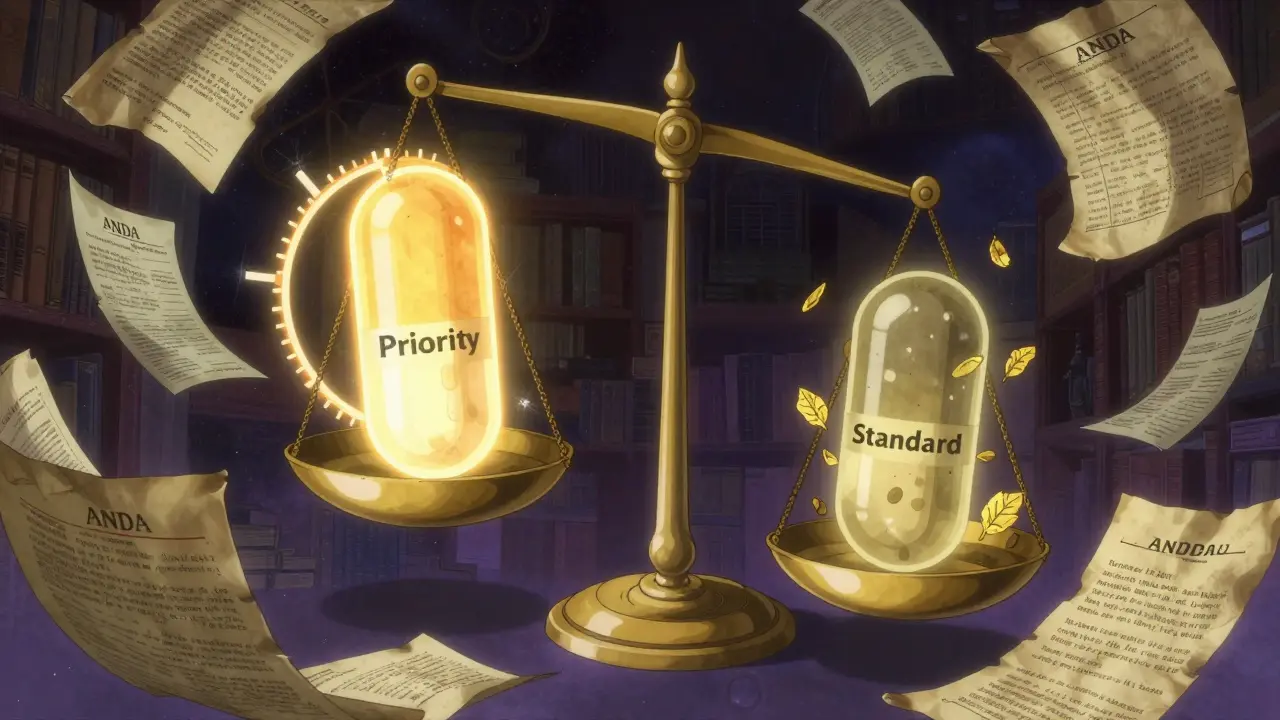
Priority vs Standard Review: How FDA Prioritizes Generic Drug Applications
Learn how the FDA decides which generic drug applications get fast-tracked with priority review versus standard review. Understand the criteria, timelines, and new U.S. manufacturing incentives that shape generic drug access.