Category: Medication Guides - Page 3

Placebo Effect and Generic Drugs: How Your Mind Changes Your Recovery
Discover how your perception of generic vs. brand-name drugs can physically change your treatment outcomes through the placebo and nocebo effects.

Milk Thistle and Liver-Metabolized Drugs: Understanding Enzyme Interactions
Explore how milk thistle and silymarin interact with CYP450 liver enzymes, affecting medications like warfarin. Learn about risks, timing, and safe dosing.
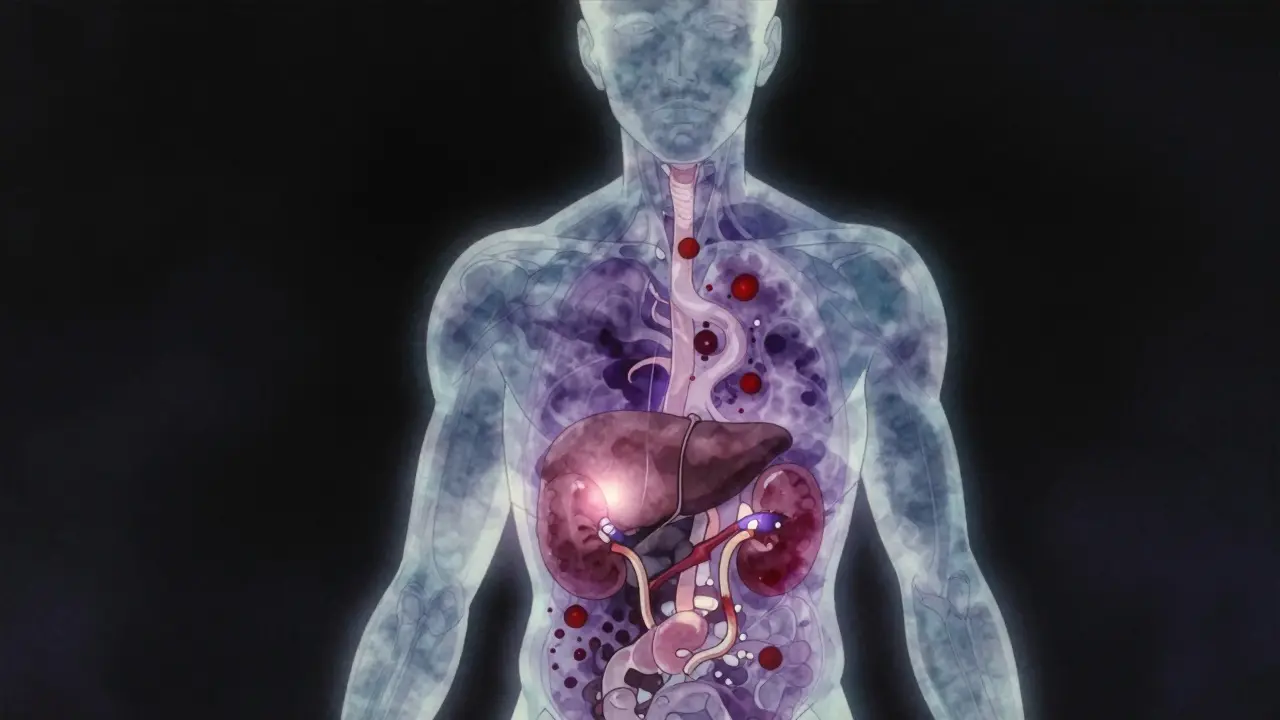
Understanding Organ-Specific Side Effects: Liver, Kidney, Heart, Brain Risks
Learn how medications specifically target liver, kidneys, heart, and nerves. Understand early warning signs, monitoring needs, and protective strategies against organ damage.

Understanding Trade Agreements and Generics: A Guide to TRIPS and Patent Policy
Learn how the TRIPS agreement influences global medicine costs, patent laws, and access to generic drugs across different countries.

Cost vs Benefit: When High-Priced Drugs Are Worth the Risk
Analyze when high-cost medications justify their price despite side effects. Explore cost-benefit metrics, patient experiences, and financial navigation strategies for 2026.
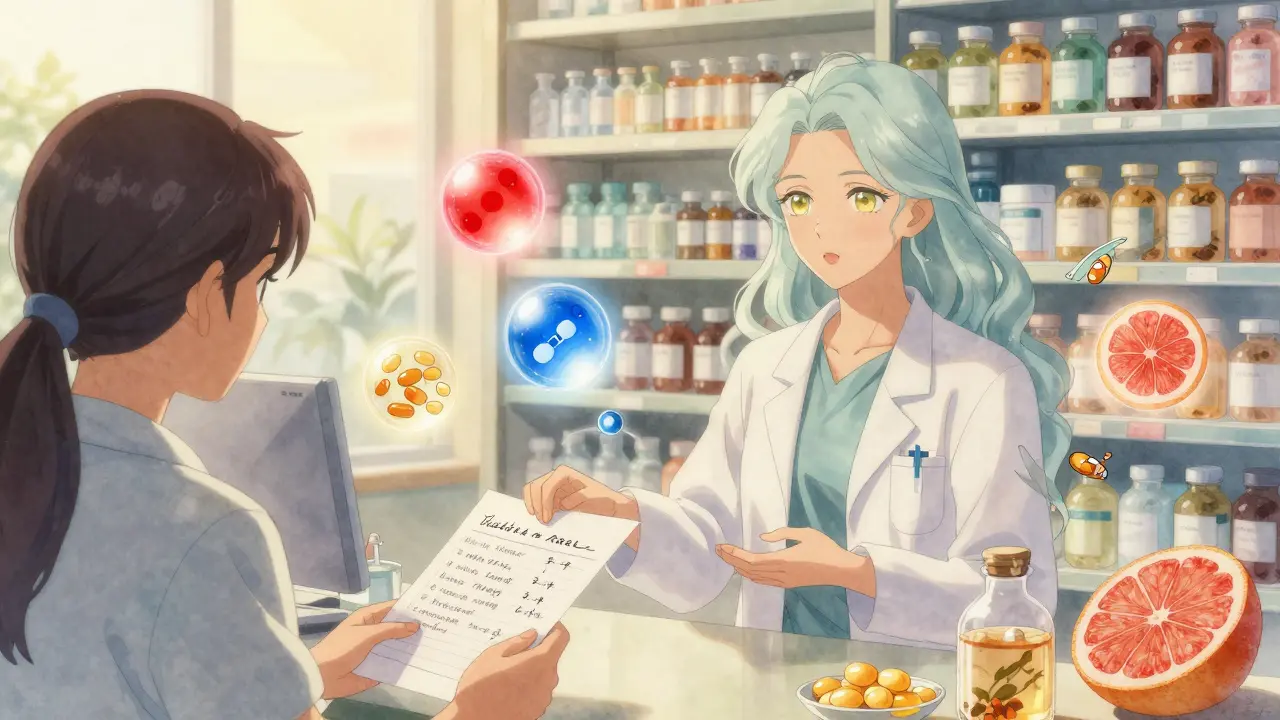
How to Discuss Supplements and Food Interactions with Your Pharmacist
Learn how to talk to your pharmacist about supplements and food interactions to avoid dangerous drug reactions. Discover which supplements are risky, what to bring to your appointment, and how to ask the right questions.
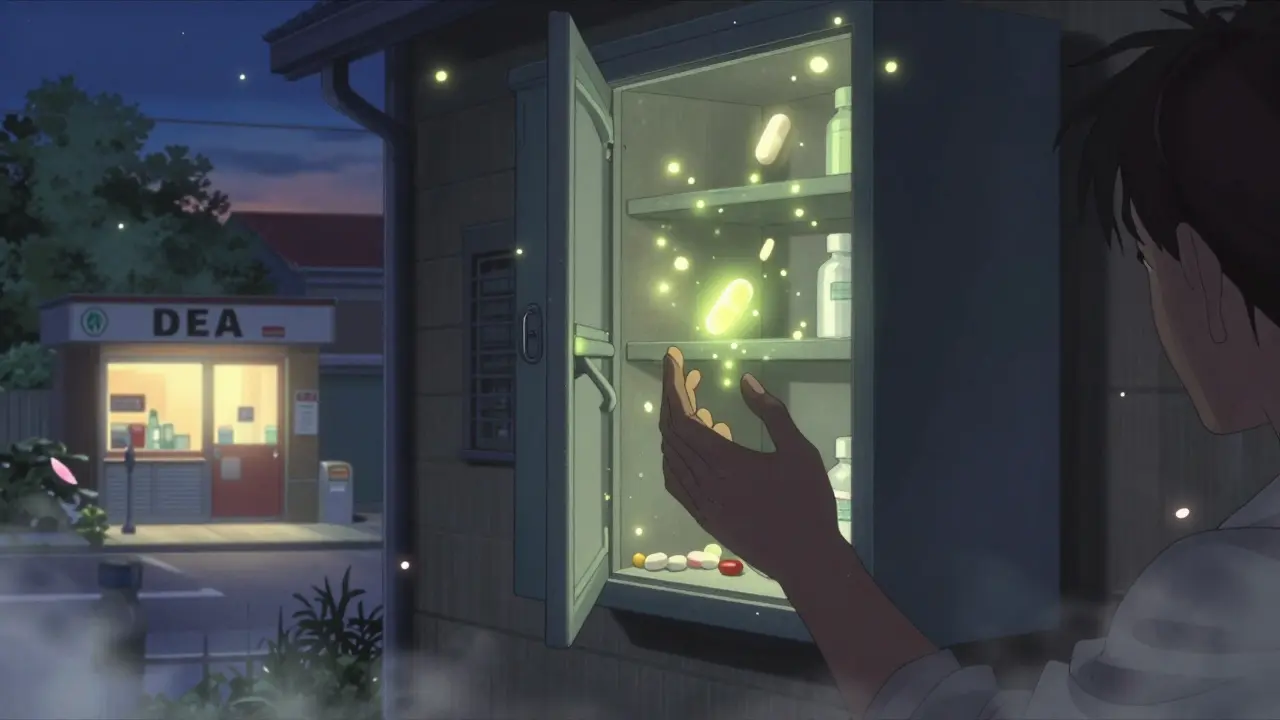
Disposing of Expired Medications Safely: Take-Back and FDA Guidelines
Learn the FDA-approved ways to safely dispose of expired medications. Find out which drugs to flush, which to take back, and how to dispose of them at home if needed. Protect your family and the environment with the right method.
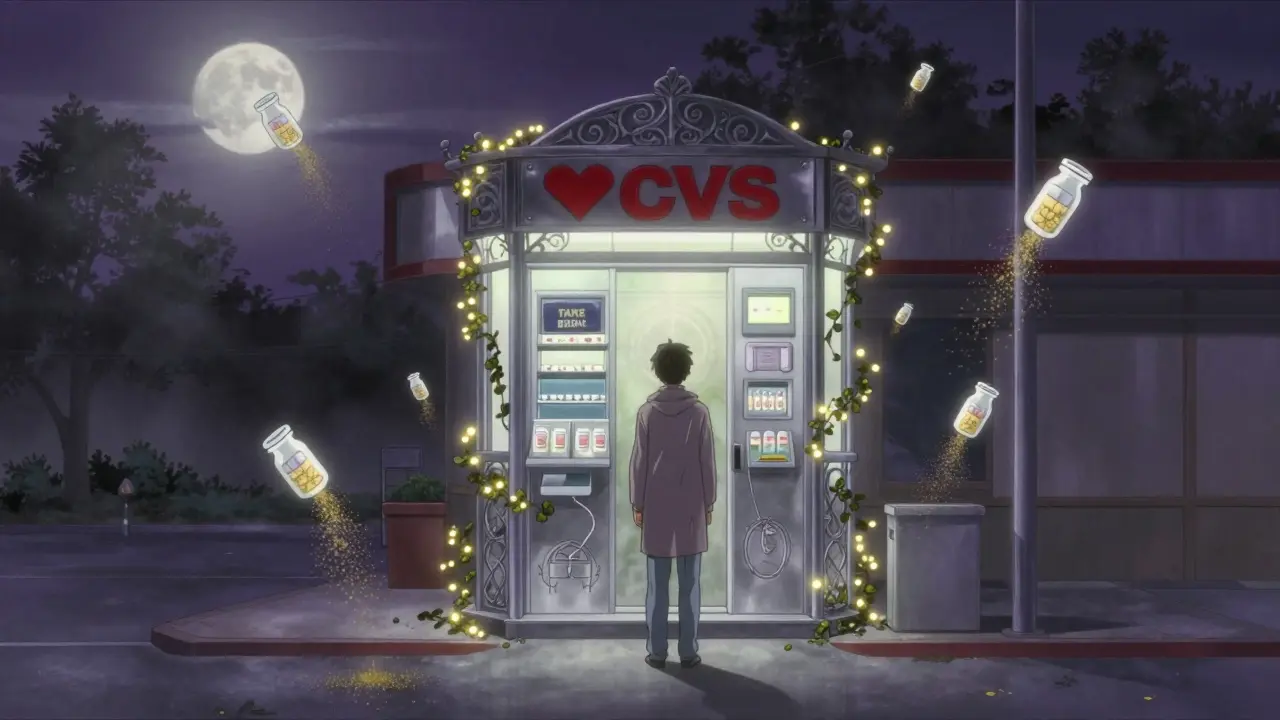
How to Safely Dispose of Expired Medications: FDA Take-Back Guidelines and Best Practices
Learn the FDA’s official guidelines for safely disposing of expired medications. Discover where to find take-back locations, when to flush, and the correct home disposal steps to protect your family and the environment.

Herbal Supplements and Drug Interactions: What You Need to Know for Safety
Herbal supplements can dangerously interfere with prescription drugs-St. John’s wort, ginkgo, and garlic are among the top culprits. Learn which combinations are risky and how to protect yourself from hidden, life-threatening interactions.
Federal Food, Drug, and Cosmetic Act: Legal Foundation for Generic Drugs
The Federal Food, Drug, and Cosmetic Act laid the legal groundwork for generic drugs in the U.S., with the 1984 Hatch-Waxman Amendments creating the ANDA pathway that allows safe, affordable generics to reach patients. Today, they fill 90% of prescriptions.

Magnesium Supplements with Thyroid Medications and Antibiotics: How to Space Doses Correctly
Magnesium supplements can block thyroid medication and antibiotics from being absorbed. Learn how to space doses properly to avoid side effects, lab abnormalities, and treatment failure. Simple timing fixes can restore your energy, weight, and health.

Why You Should Never Skip Doses: Timing Your Prescription Medication
Skipping prescription doses may seem harmless, but it can trigger dangerous health spikes, drug resistance, or even hospitalization. Learn why timing matters-and how to stay on track.