Category: Medication Guides - Page 7

Inhaler Technique: Step-by-Step Guide to Ensure Proper Drug Delivery for Asthma and COPD
Learn the correct way to use your inhaler so medicine reaches your lungs, not your throat. Follow these 8 simple steps to get full benefit from your asthma or COPD medication and avoid dangerous side effects.

Common Pharmacy Dispensing Errors and How to Prevent Them
Discover the most common pharmacy dispensing errors, why they happen, and how patients and pharmacists can prevent them. Learn proven strategies to avoid dangerous medication mistakes.

Medication Storage and Disposal: How to Safely Handle Prescriptions at Home and Beyond
Learn how to safely store and dispose of prescription medications to protect your family, prevent misuse, and protect the environment. Follow FDA and EPA guidelines for home and facility disposal.

Medication Timers and Apps: Best Tools to Stay on Track with Your Pills
Medication timers and apps help people take their pills on time, reducing missed doses and improving health outcomes. Learn how the best apps work, which ones to choose, and why they beat pill organizers and text reminders.

Night vs Morning Statin Dosing: What Really Matters for Side Effects and Effectiveness
Does it matter if you take your statin at night or in the morning? For most people today, the answer is no. Learn which statins still need nighttime dosing-and why consistency matters more than timing.

How to Handle Insurance Requirements for Generic Substitution
Learn how insurance companies enforce generic drug substitution, when you can demand the brand-name version, and how to protect yourself from unsafe switches-especially if you're on thyroid, seizure, or blood-thinning meds.

Theophylline Clearance: How Common Medications Can Cause Dangerous Buildup
Theophylline has a narrow therapeutic range, and common medications like cimetidine, fluvoxamine, and allopurinol can drastically reduce its clearance, leading to dangerous toxicity. Learn which drugs to avoid and how to stay safe.
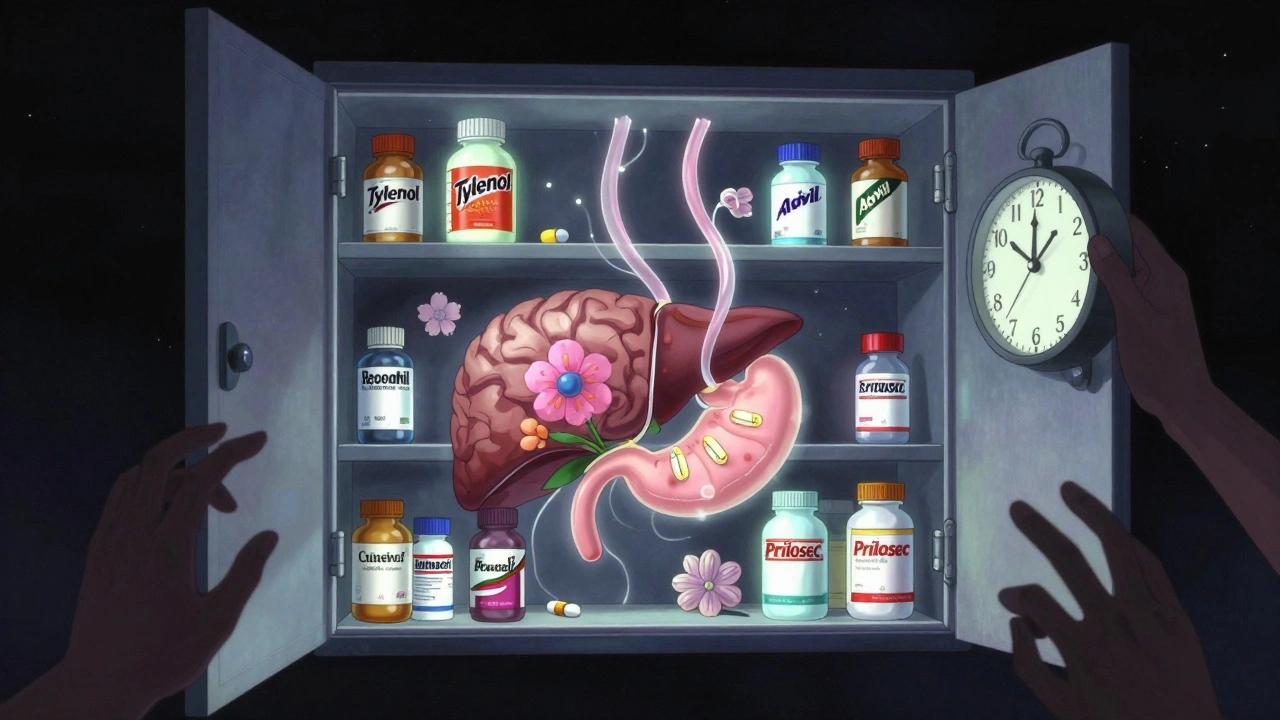
Common OTC Medications: Uses, Side Effects, and Safety Information
Learn how to safely use common OTC medications like acetaminophen, ibuprofen, and antihistamines. Understand their uses, risks, and when to avoid them-backed by current medical guidelines.

Medications That Are High-Risk for Seniors: What to Review
Learn which medications are most dangerous for seniors, how to spot them, and what safer alternatives exist. Based on the 2023 Beers Criteria, this guide helps you review prescriptions and reduce fall, confusion, and hospital risks.

How to Time Your Medications to Avoid Dangerous Drug Interactions
Learn how to time your medications correctly to avoid dangerous drug interactions, improve effectiveness, and prevent side effects. Simple scheduling changes can make a big difference - if you know what to do.

Bioequivalence of Combination Products: Special Testing Challenges Explained
Bioequivalence testing for combination products like fixed-dose pills, topical creams, and inhalers is far more complex than for single-drug generics. Learn why these products face higher failure rates, longer approval times, and why new testing methods are urgently needed.

SSRI and SNRI Discontinuation Timelines: What Patients Can Expect
Stopping SSRIs or SNRIs can cause withdrawal symptoms that mimic depression relapse. Learn realistic timelines, medication-specific risks, and how to taper safely based on real patient data and current clinical research.